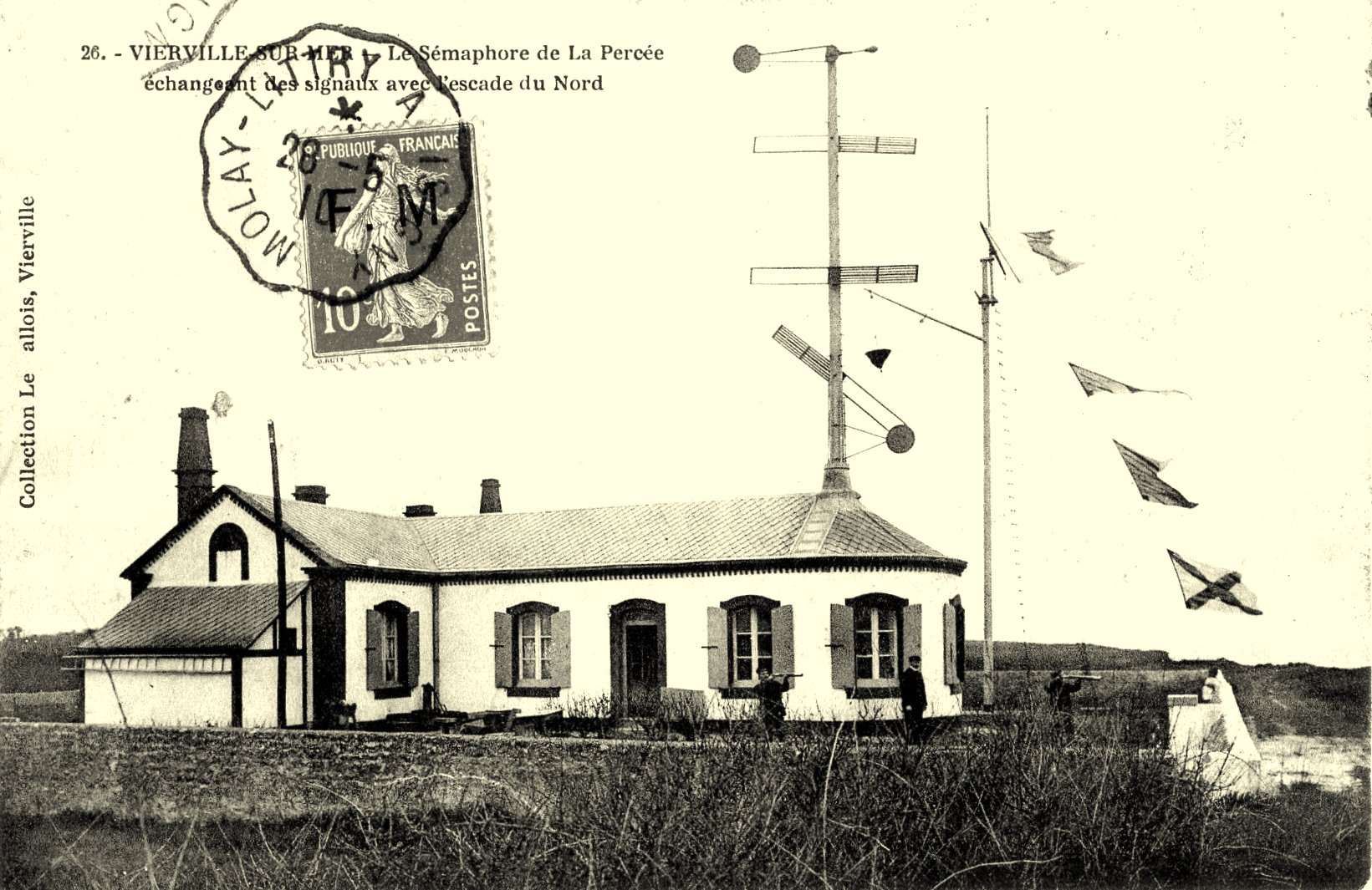
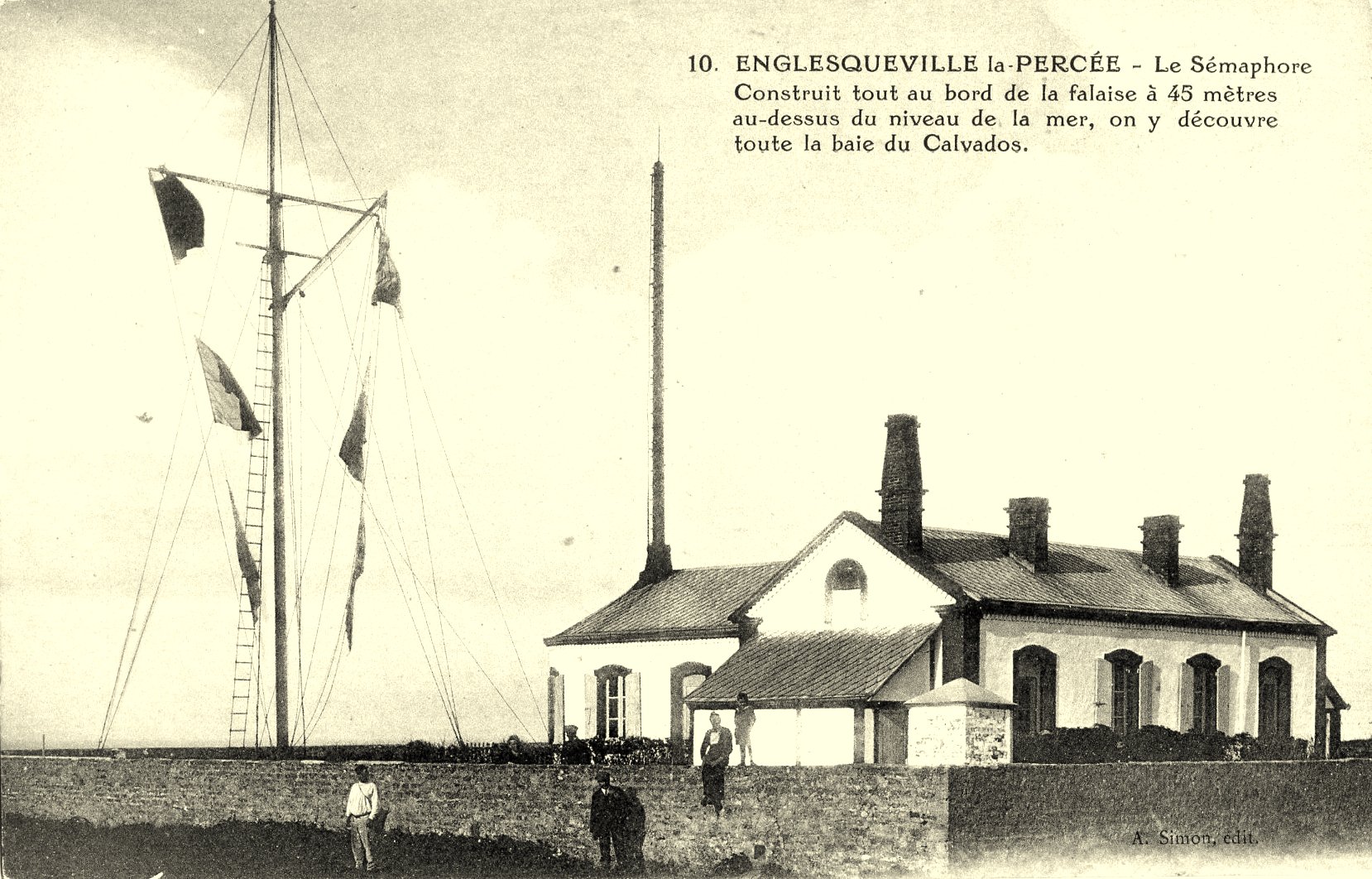
Many images of Englesqueville before the war are gathered on the website of the municipality of Vierville-sur-Mer, on page 73


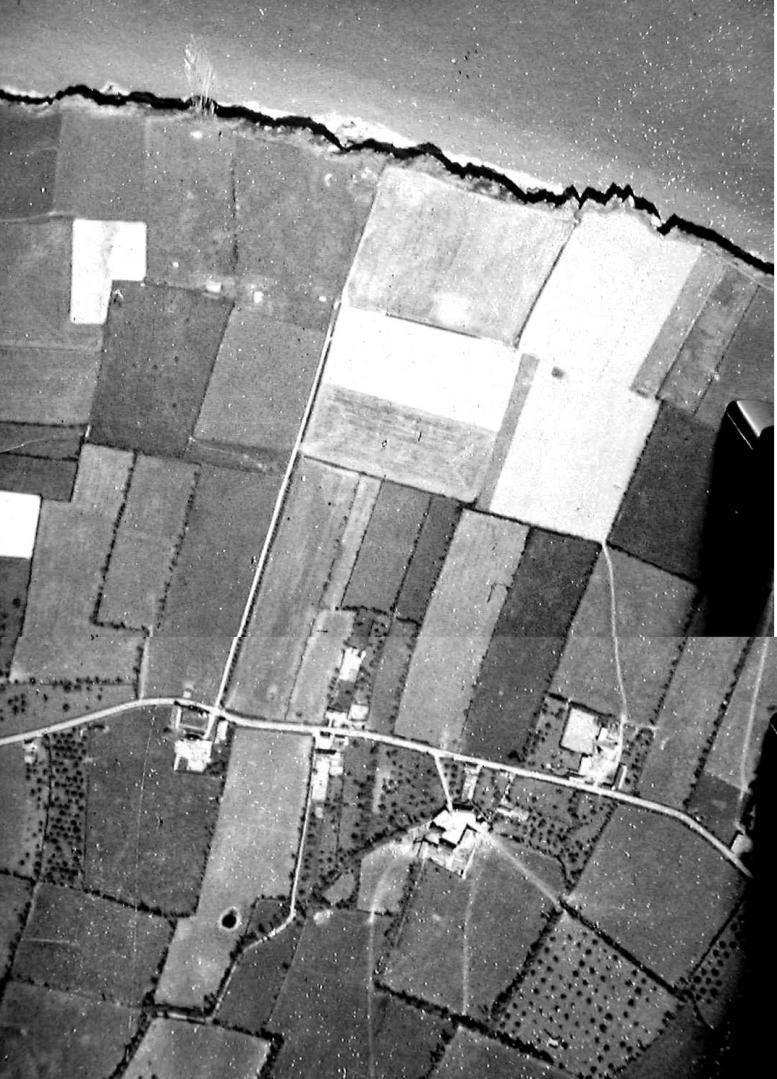
(extract from the Renaissance of Bessin)
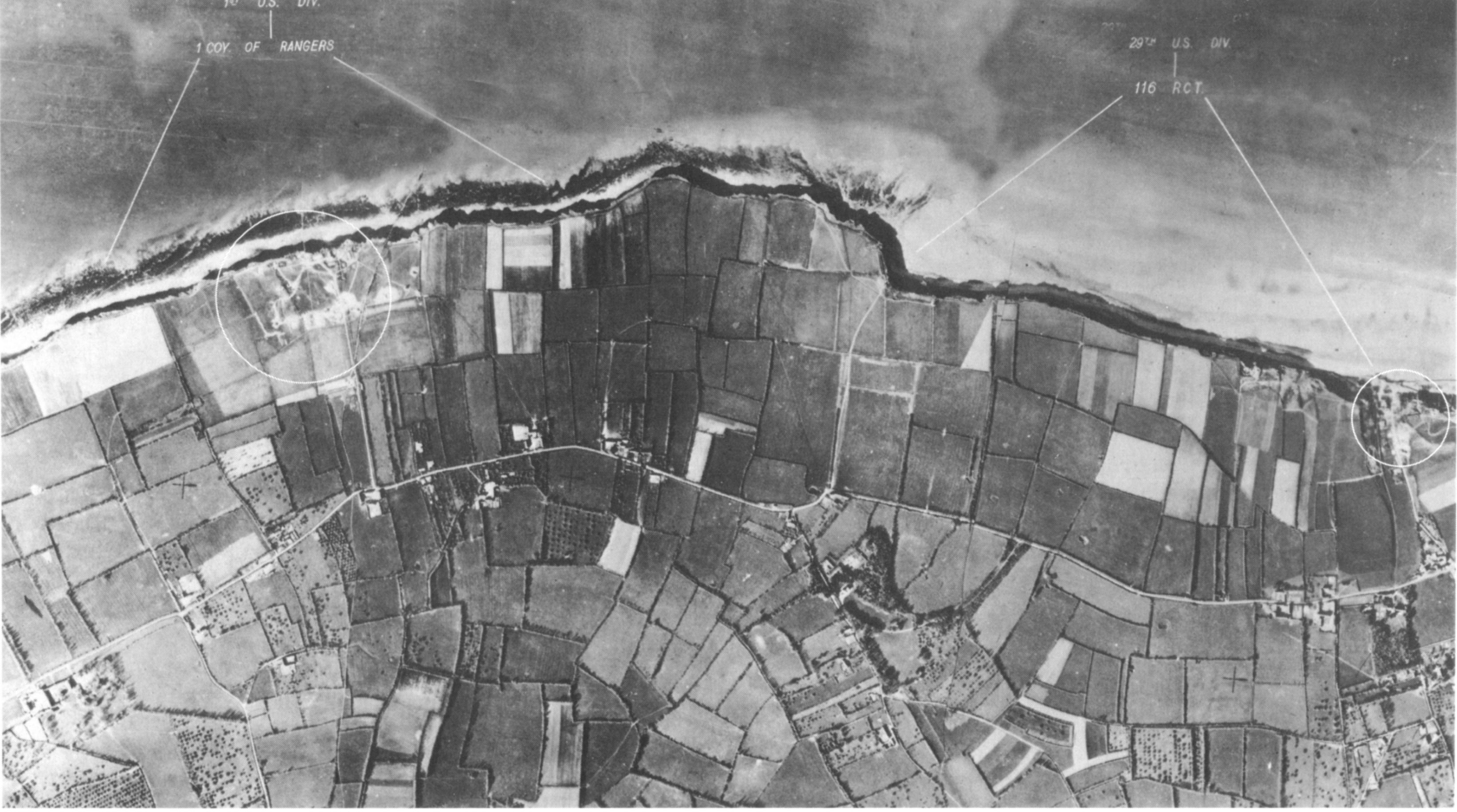
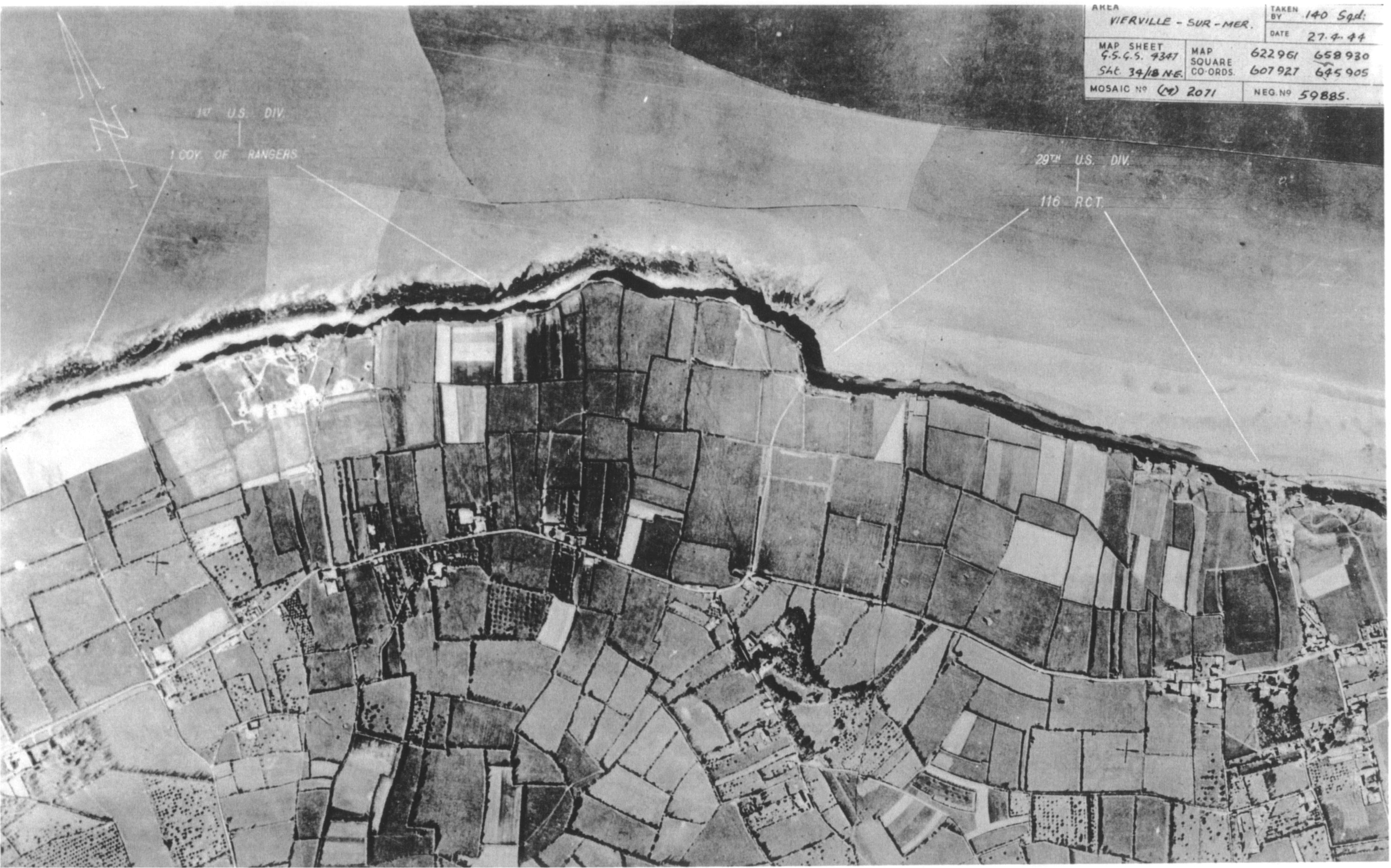
In Englesqueville-la-Percée, a small town in the north of the canton of Isigny, the remains of a radar station constitute the indelible traces of the German occupation in the early 1940s.
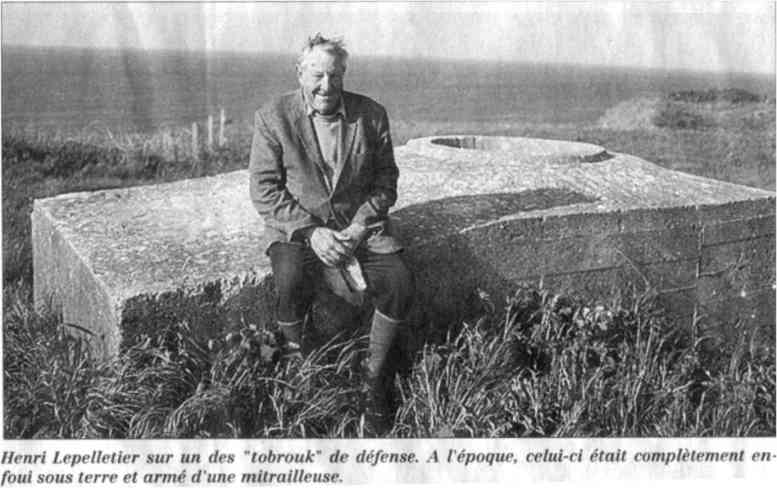
Among the best known images of the "Longest Day", one remembers the German watchman seeing in the gray of June 6 the American fleet. Reality of the facts which means that there was only this "watch of the sea", as was said in the 17th century, to ensure the surveillance of the coasts. All the means of detection had indeed been annihilated. Among these, the radar station of Englesqueville-la-Percée. Today, only a few meagre vestiges remain, far from sight, and can testify to the existence of this link in the station chain covering Europe. Henri Lepelletier, a privileged witness, since the installation was located on land exploited by his family, gives us a new description of it.
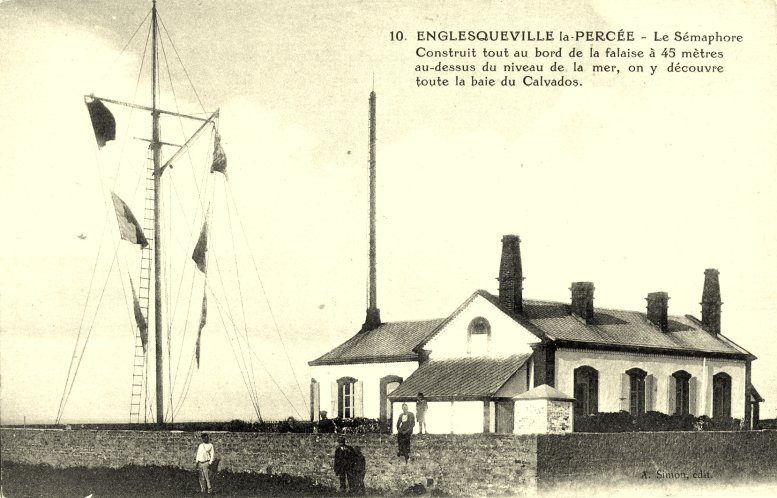
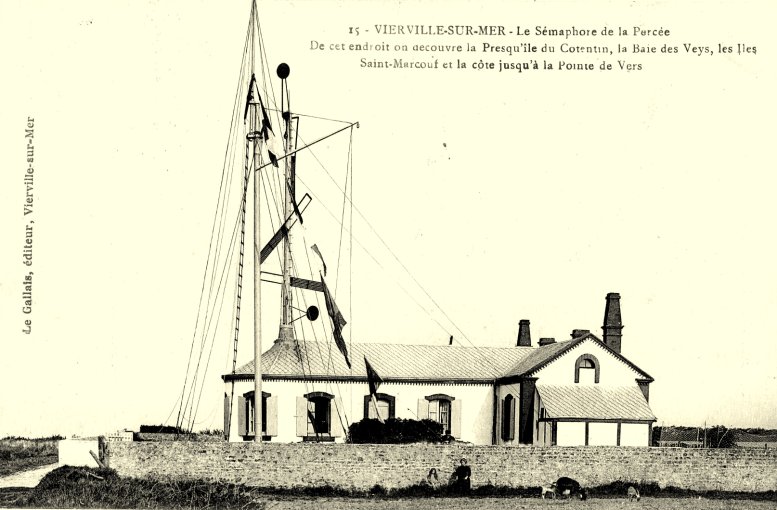
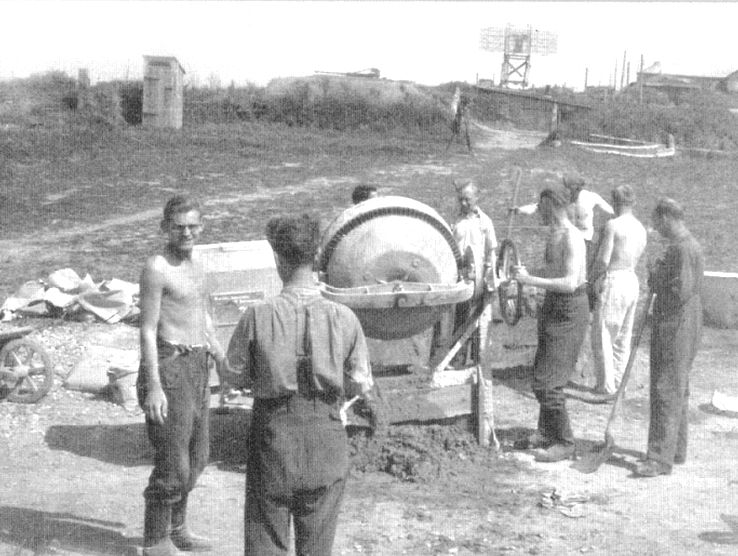
"It was from the end of 1940 that the location was located. On the location of the old semaphore that was shaved, and at the same place they made barracks. It took 30 people every morning to get to work. Our turn came back soon. The radars were put into service around 41/42, but for the barracks, in 44, it was not yet finished. Everything was done by hand, earthworks, concrete, and without enthusiasm!..."
The whole is managed jointly by Luftwaffe (aircraft) and Kriesgmarine (marine) with their own radars on site.
"There were about 160/180 men, including three times more Luftwaffe than navy. They weren't too bad. But there wasn't even water there, they had to carry a barrel every morning!"
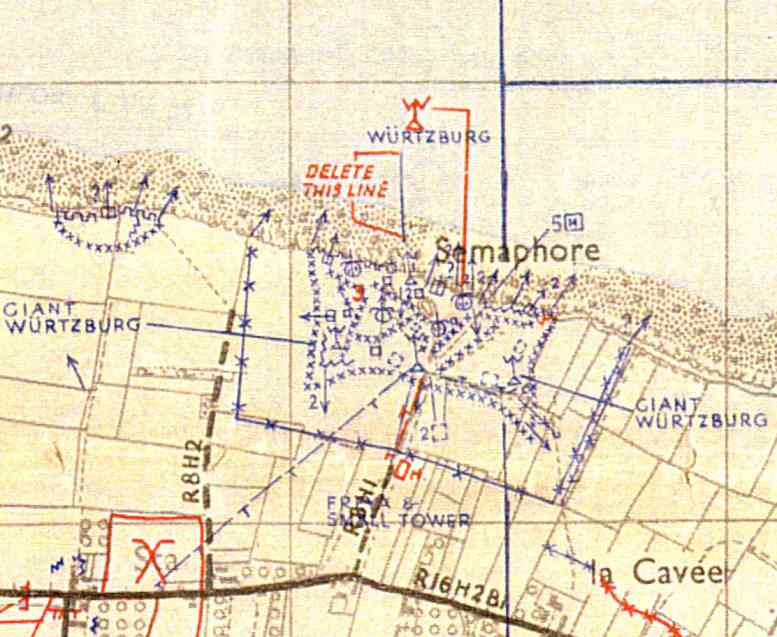
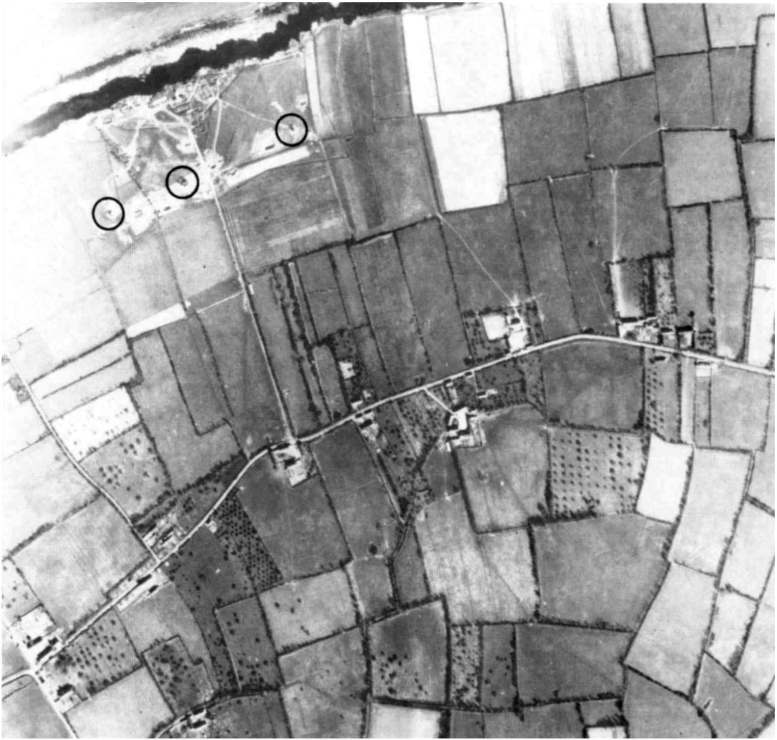
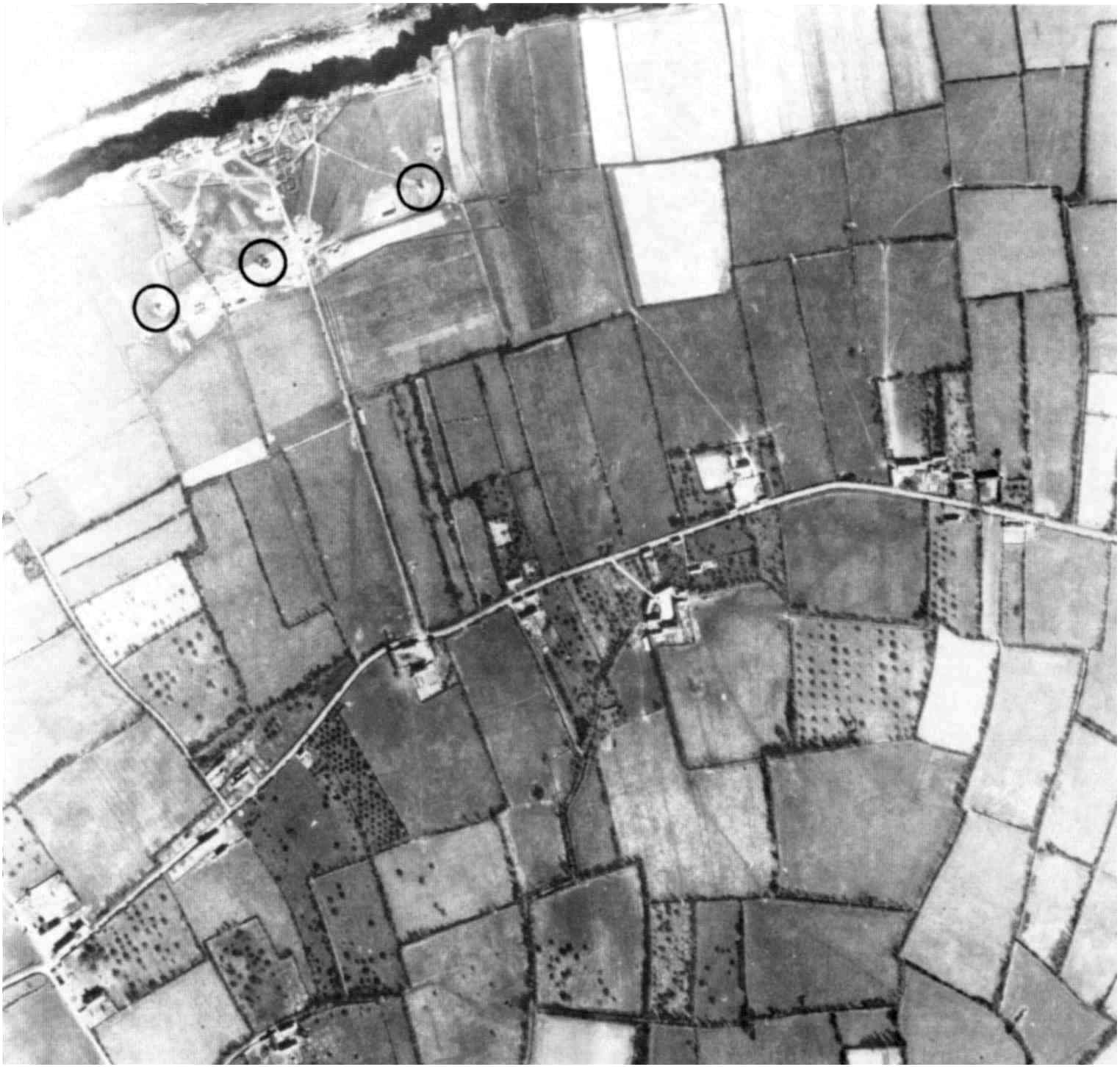
A road is created especially to reach the station, framed by a minefield of about 200 meters thick. The space, delimited by it, has the shape of a rectangle of about 500 meters by 250 meters.
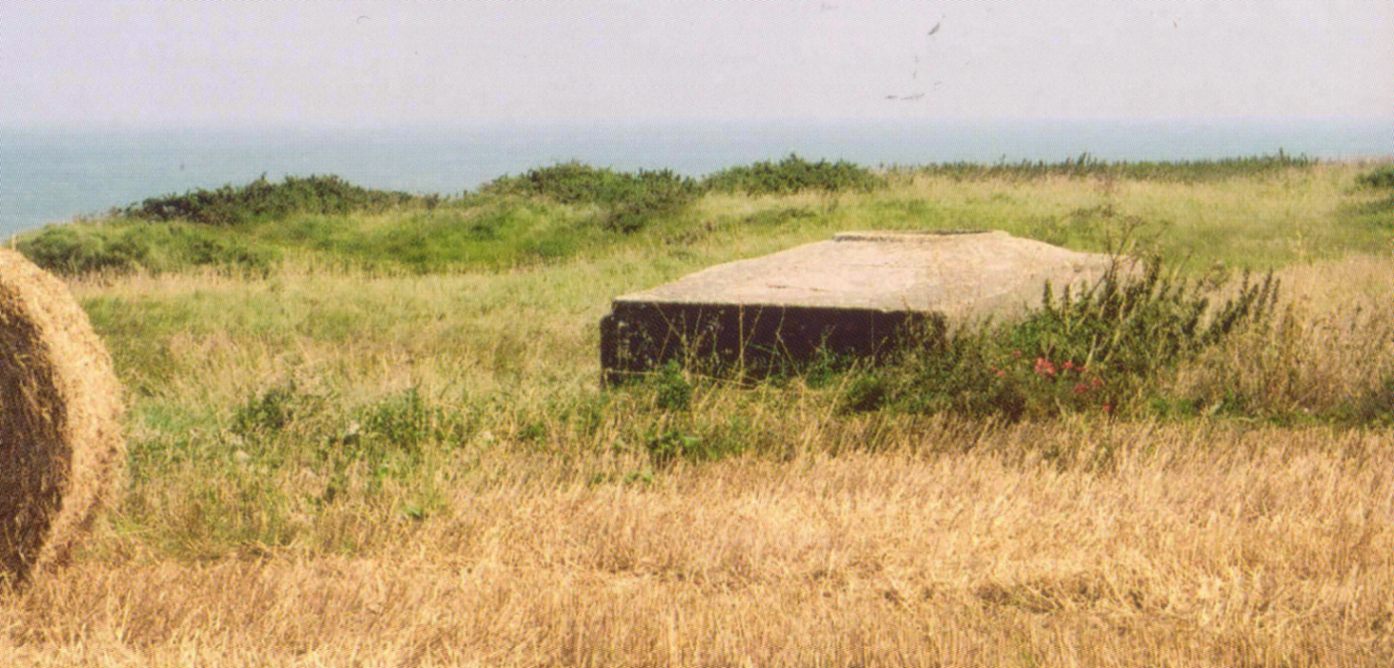
"There was a blockhouse in each corner and two on the sides. As constructions, 2 barracks were completed and the power plant".
The decommissioning of these facilities is obviously part of Overlord's preparation plan.
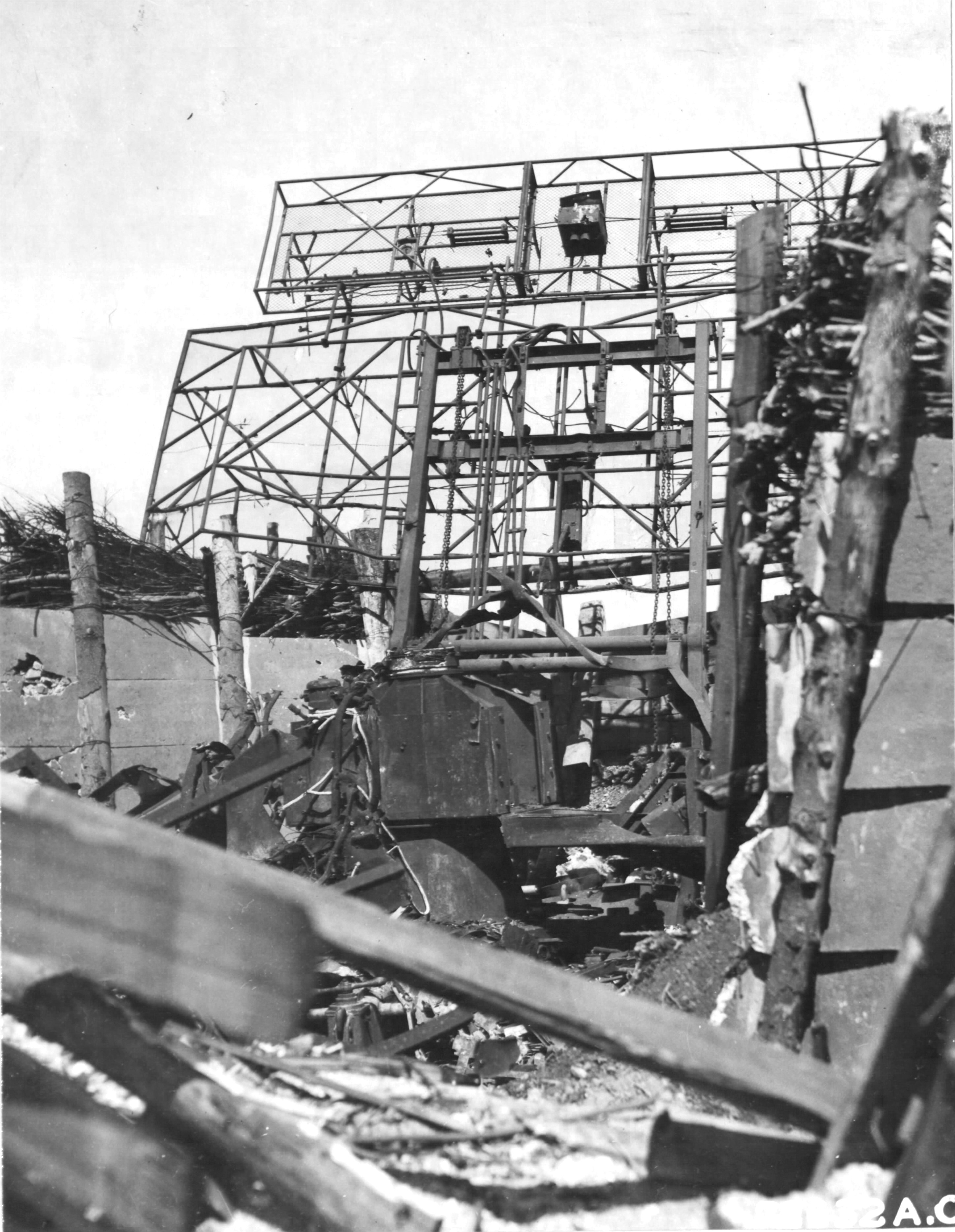
"They came to bombard the two Tuesdays before the Disembarkation, on May 23 and 30. On 23 May, they were RAF Mosquitos, they machine-gunned. Rake casings were collected in the courtyard (about 400 m from the site). They came back with bombs. I saw photos taken after that evil, it was 80 per cent destroyed. We never knew, but I don't think there were any deaths. They evacuated the premises and took refuge in the farm in front of them with all their equipment."
As of June 6, the site is still shelled. "The bomb holes were touching. Only two fanatics with some "kamarads" defended themselves; the others fled or surrendered to the Americans".
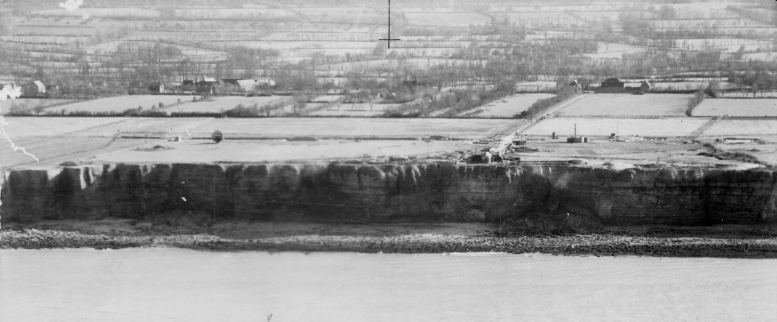
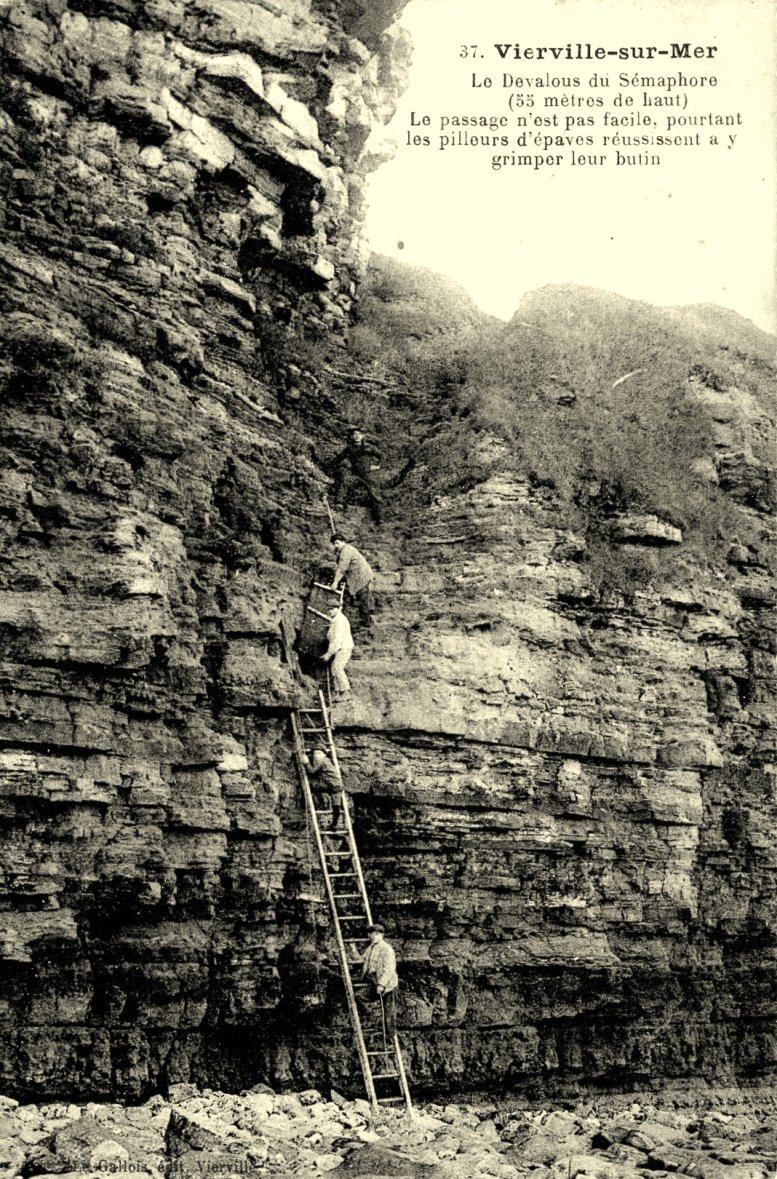
Several pieces of antennae were thrown down the cliff in order to restore life to agricultural land, thus rejecting some of the first elements indispensable for future modern wars.
Its Features:
Luftwaffe unit: 10th Flugmelde-Leit-Kompanie (Stellung "Imme")
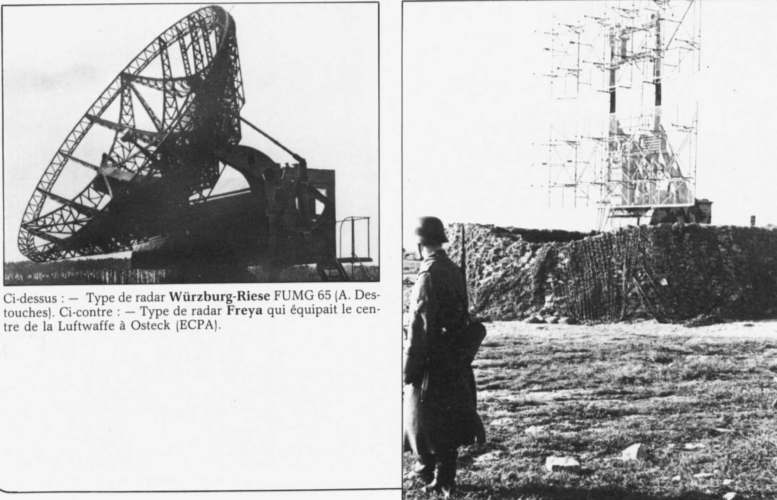
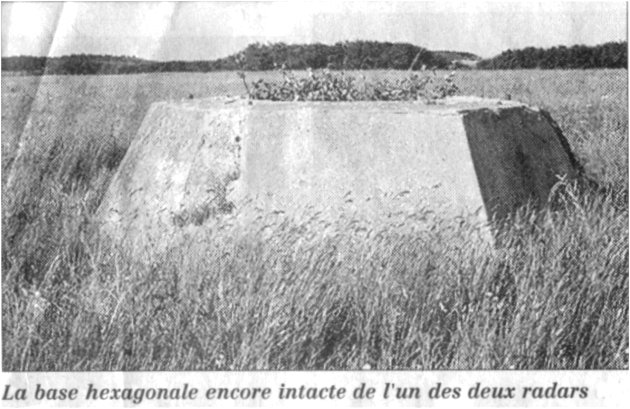
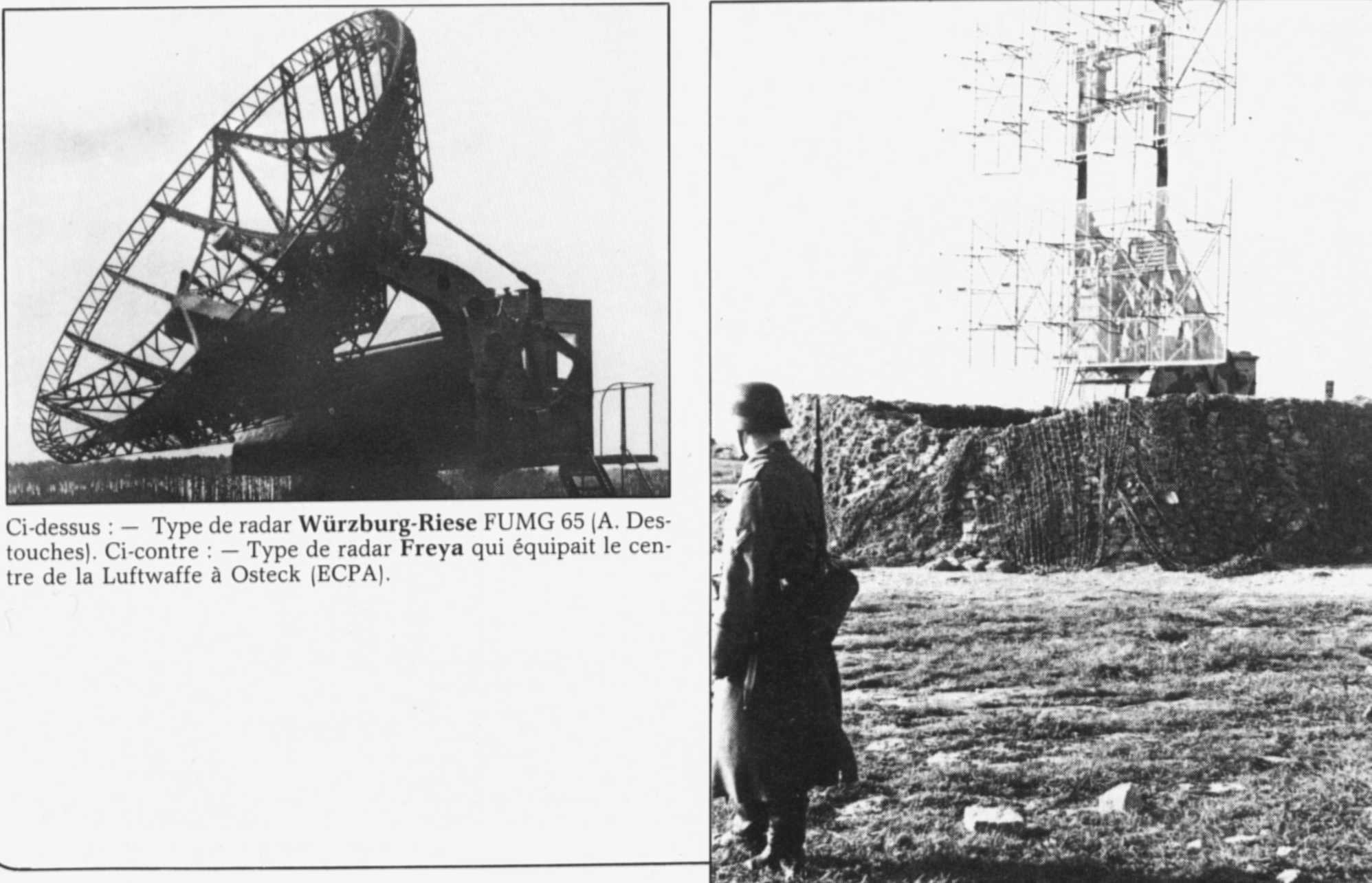
The Englesqueville radar station has 2 VVR FuSe 65 (Wurzburg Riese) radars for the Luftwaffe part to determine distance, lift and direct hunting actions. The range is about 60 km with a 7.50 m diameter parable, in aluminium profiles.
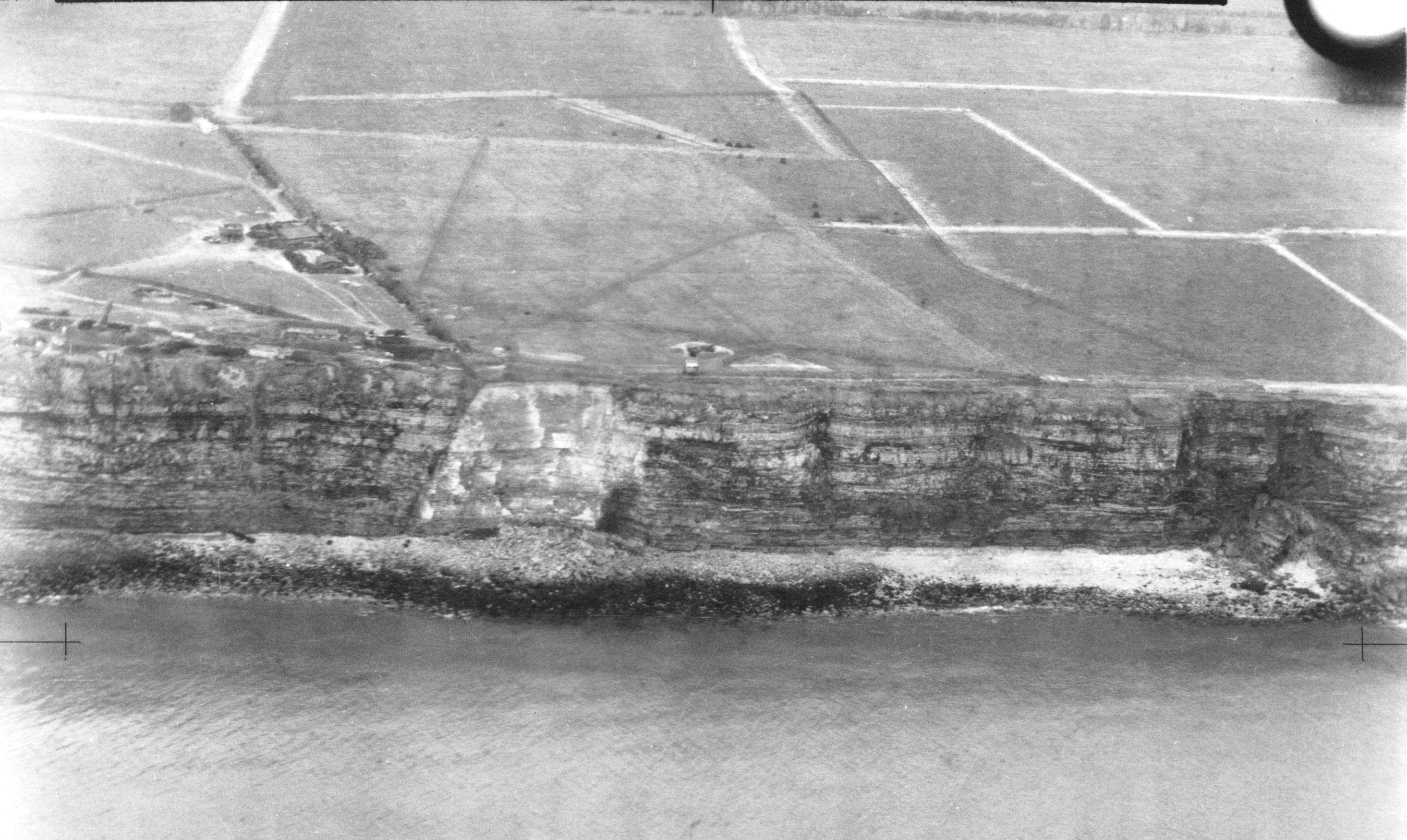
The maritime part, called "Seetakt" is located as close as possible to the cliff, the height of which is 45 m, allowing a range of more than 30 km.
Several "Freya" antennas appear to have been installed. (Kriegsmarine FuMG 80)
On 6 June the station was out of service due to allied bombardment


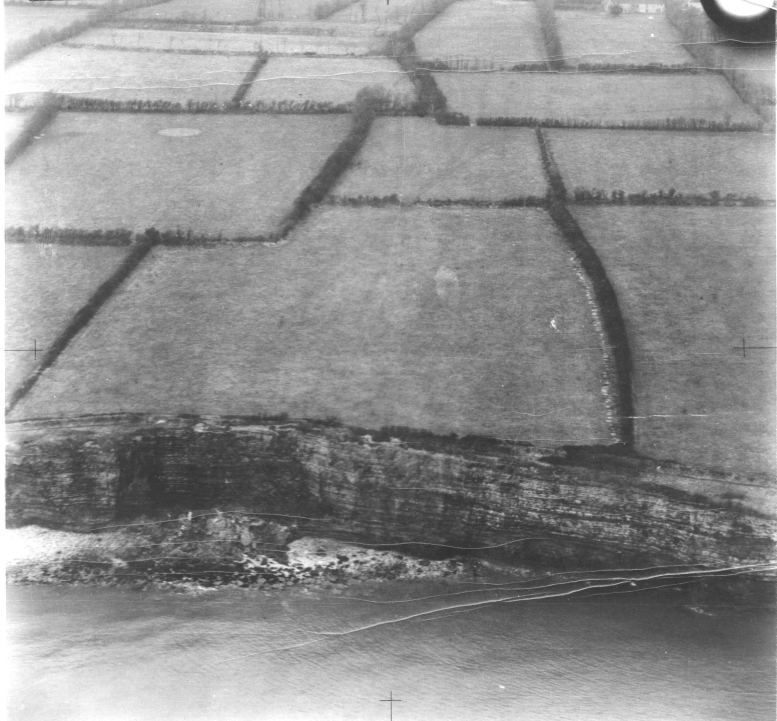
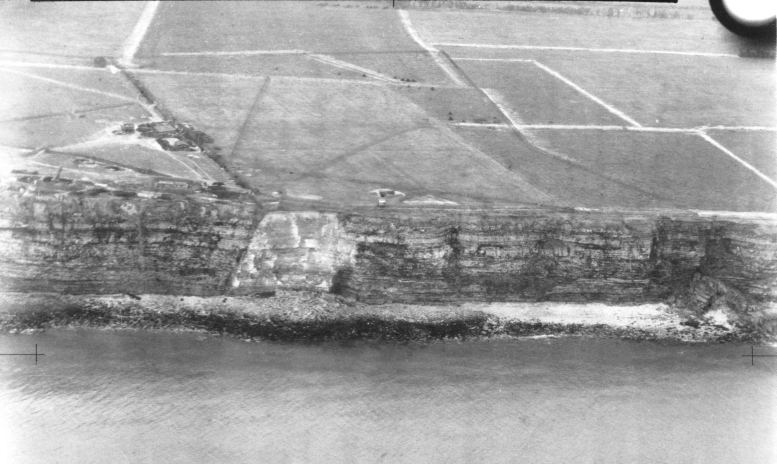
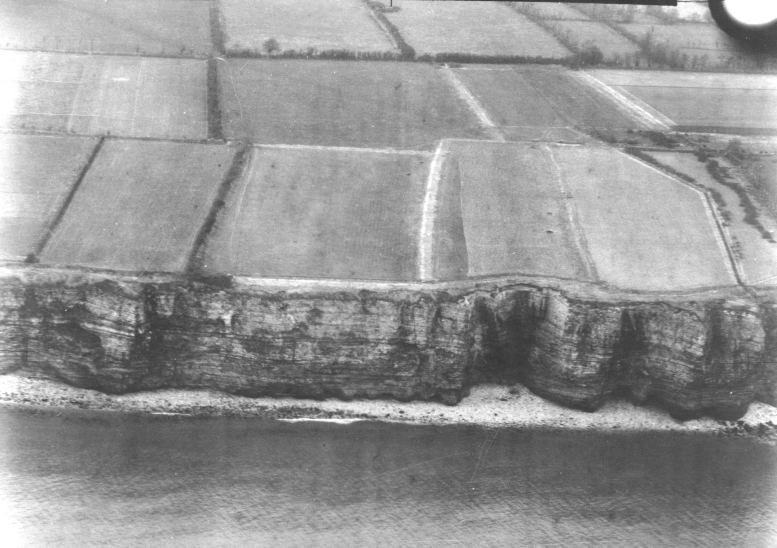
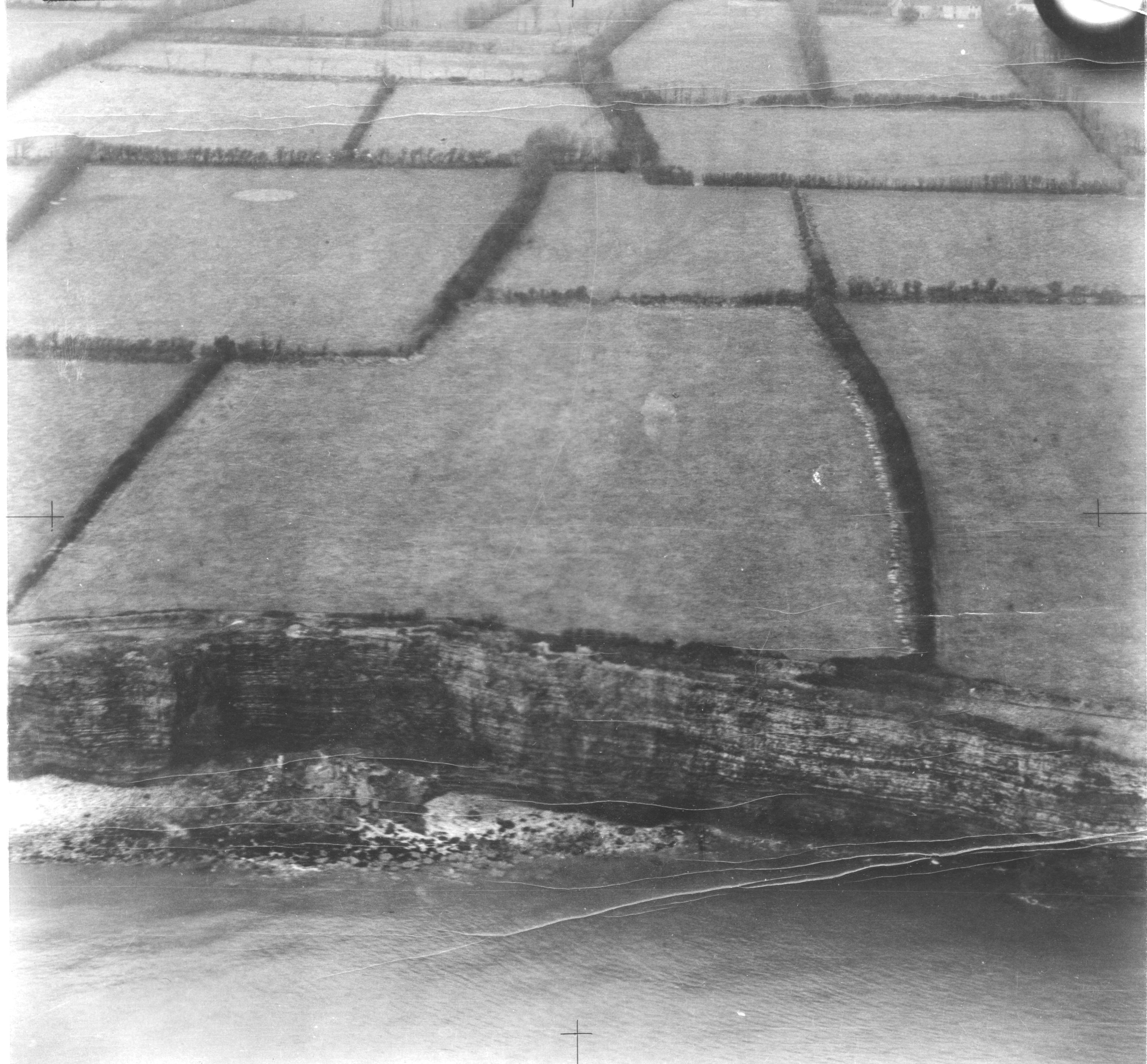
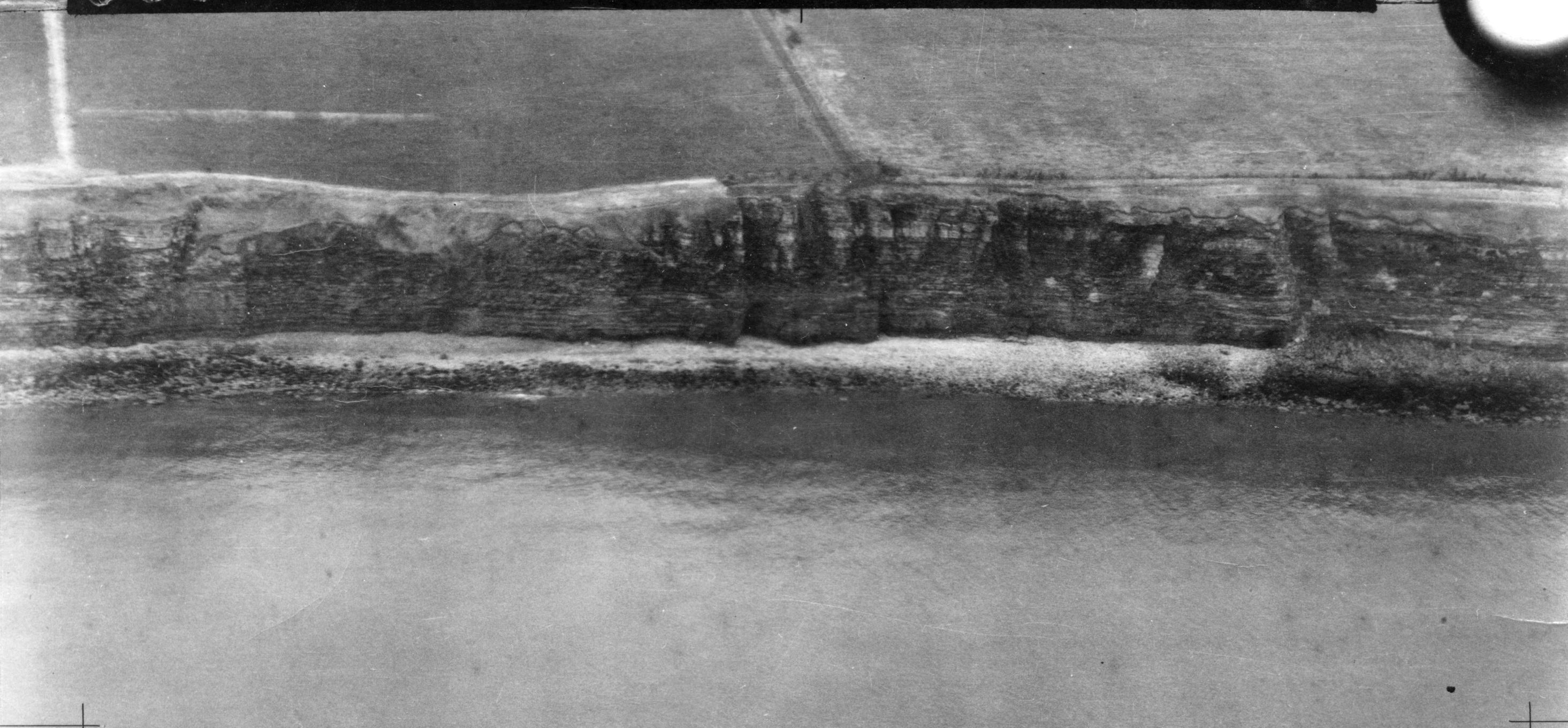
Photo series of February 18, 1943, between Percaea and Semaphore