121

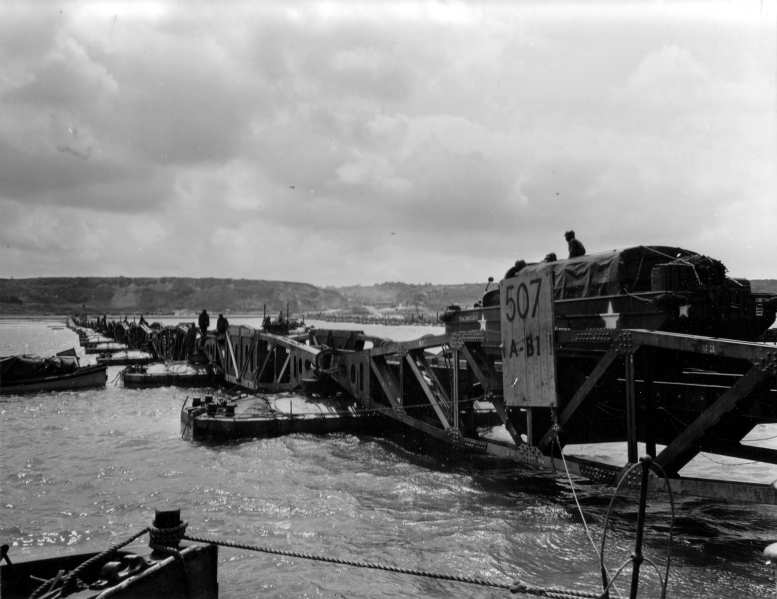
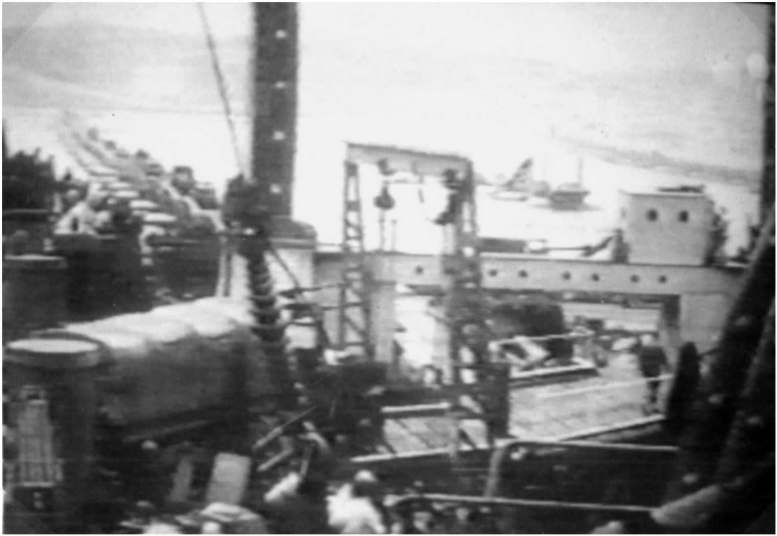
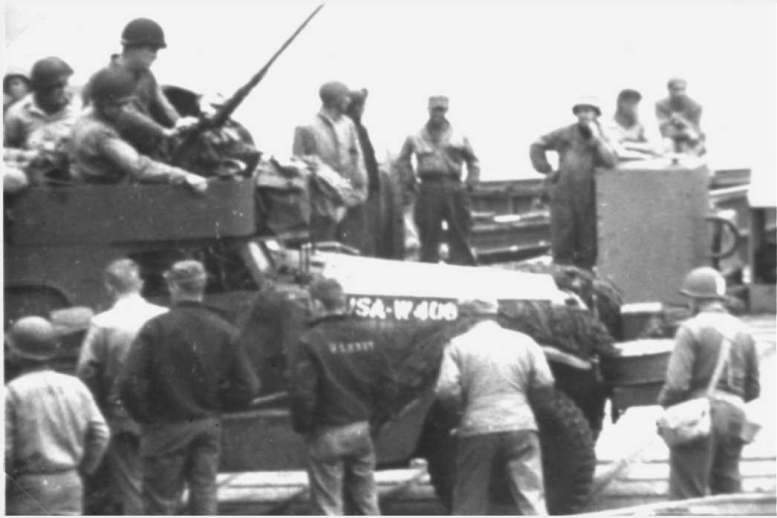
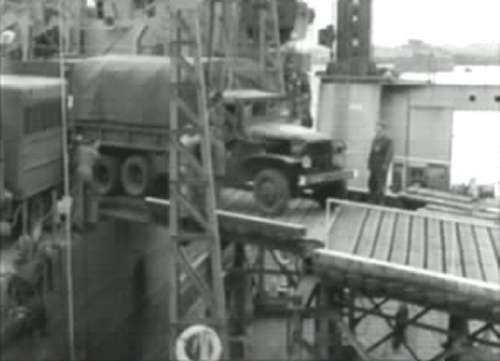
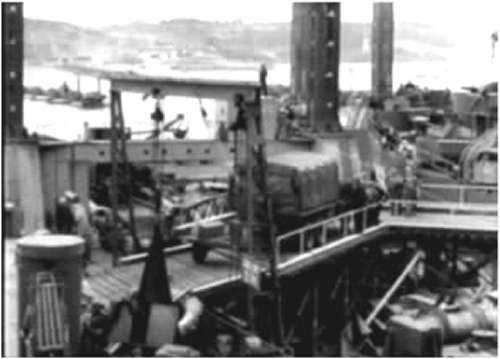
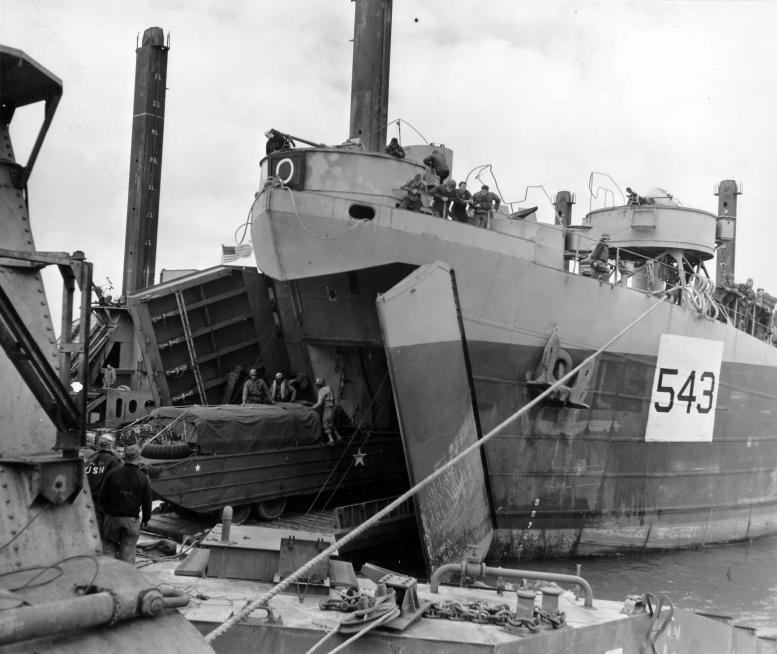
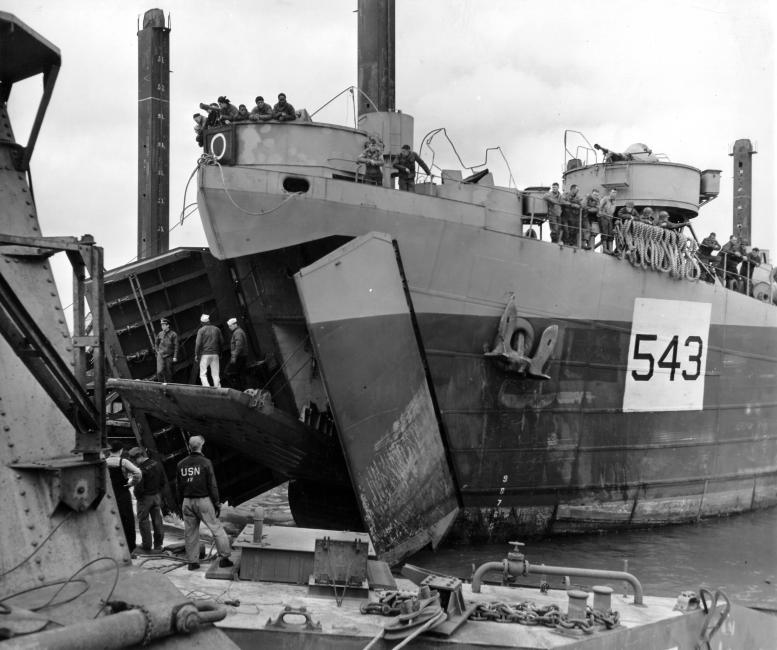
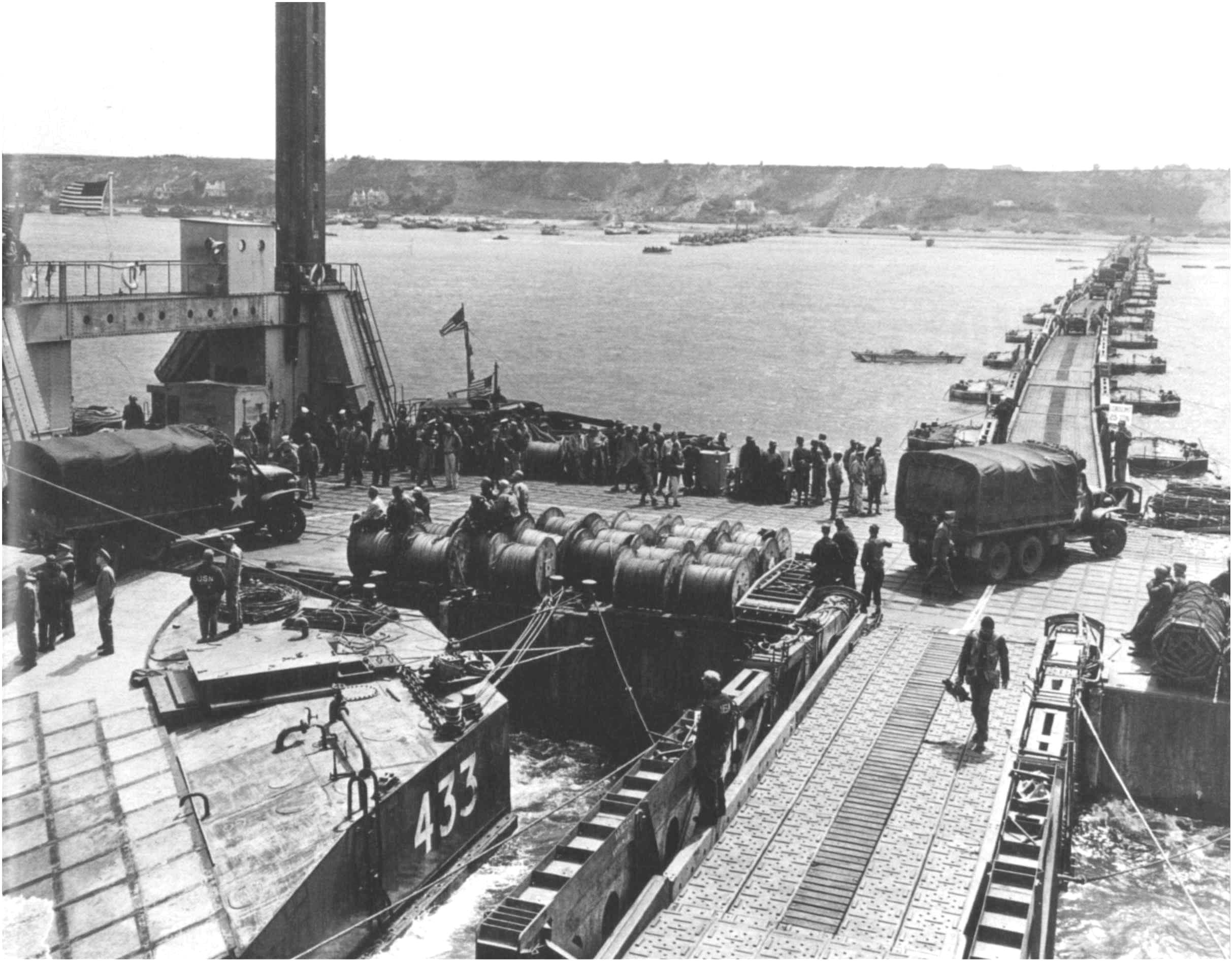
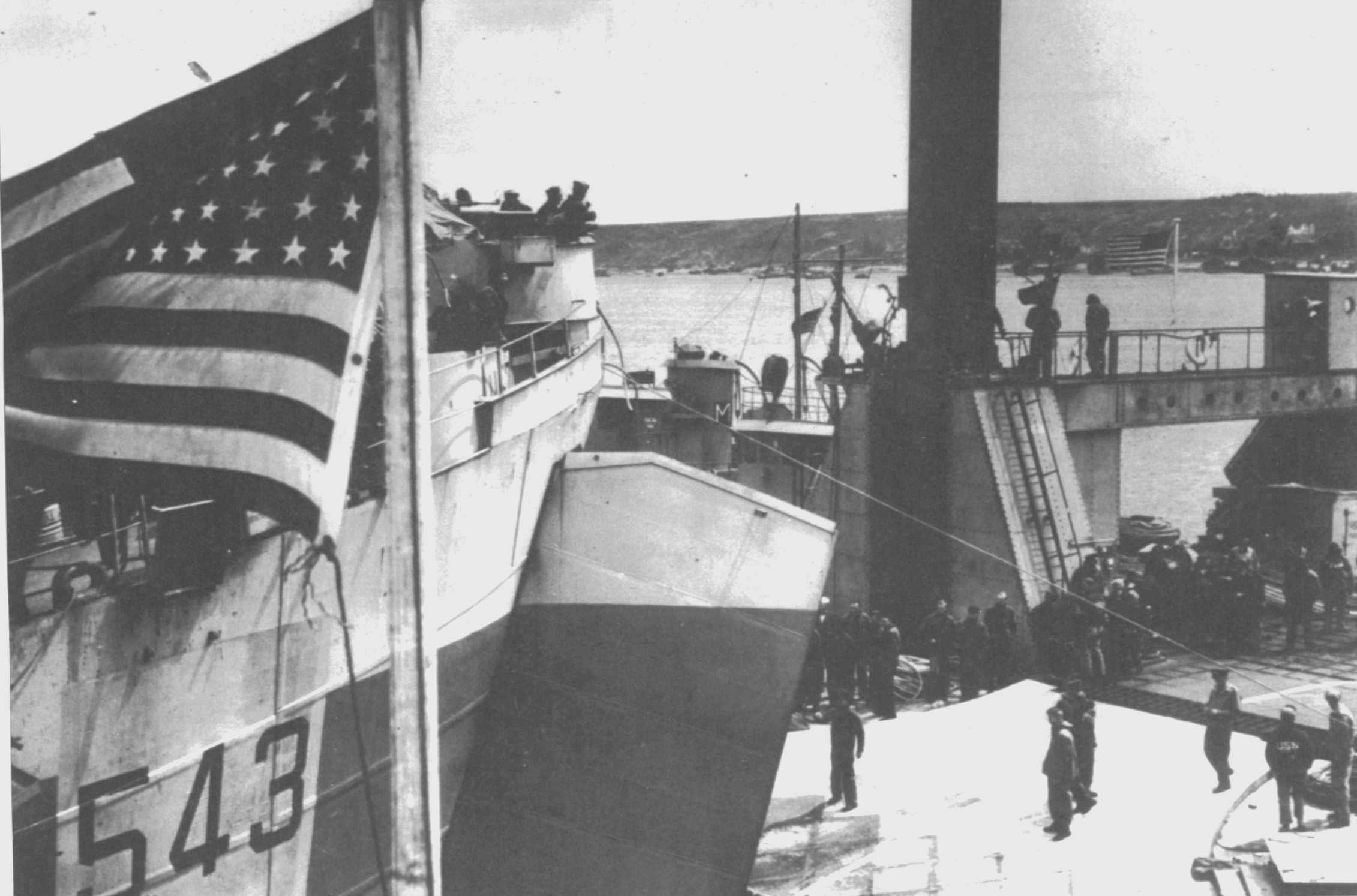
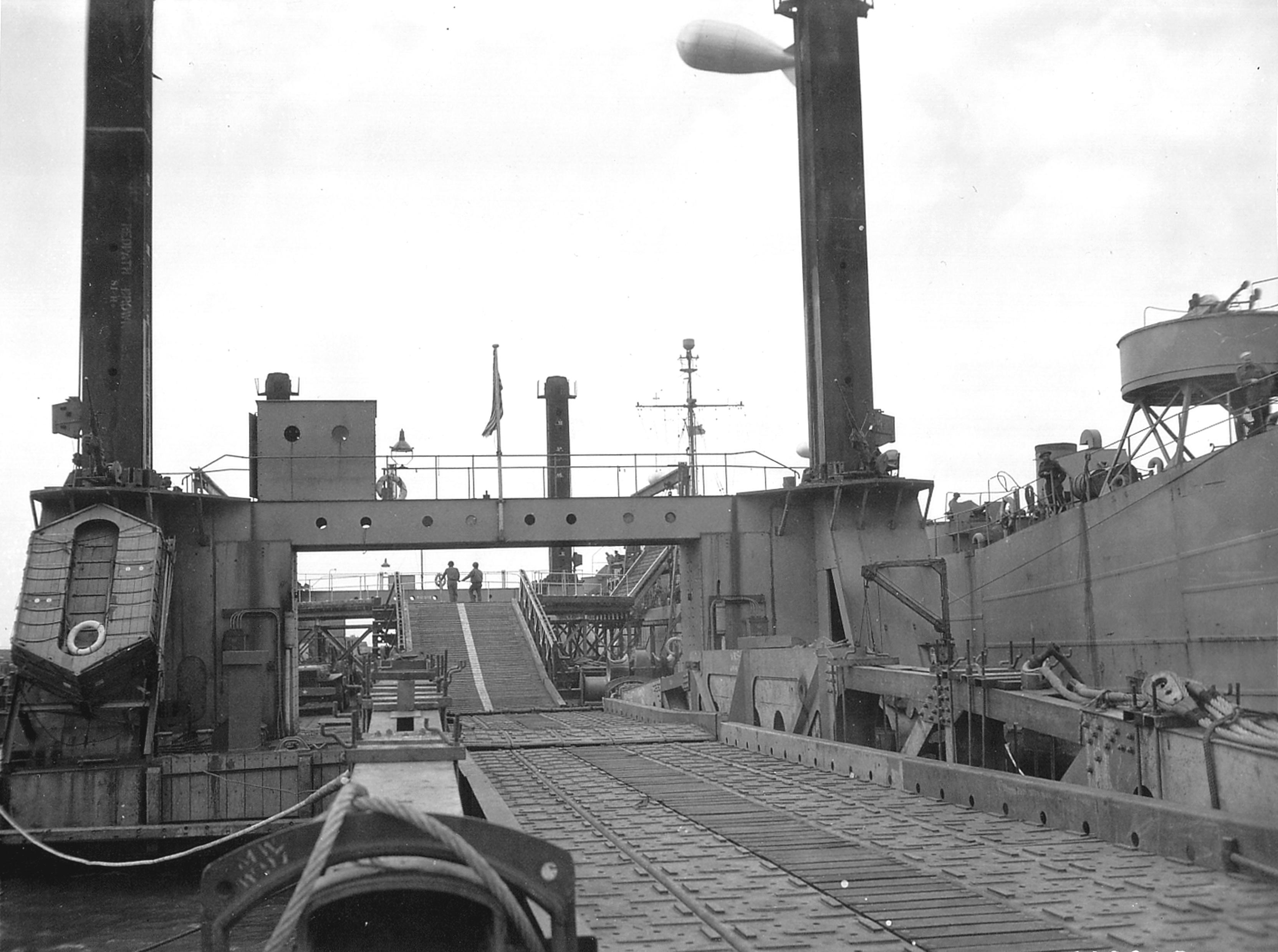
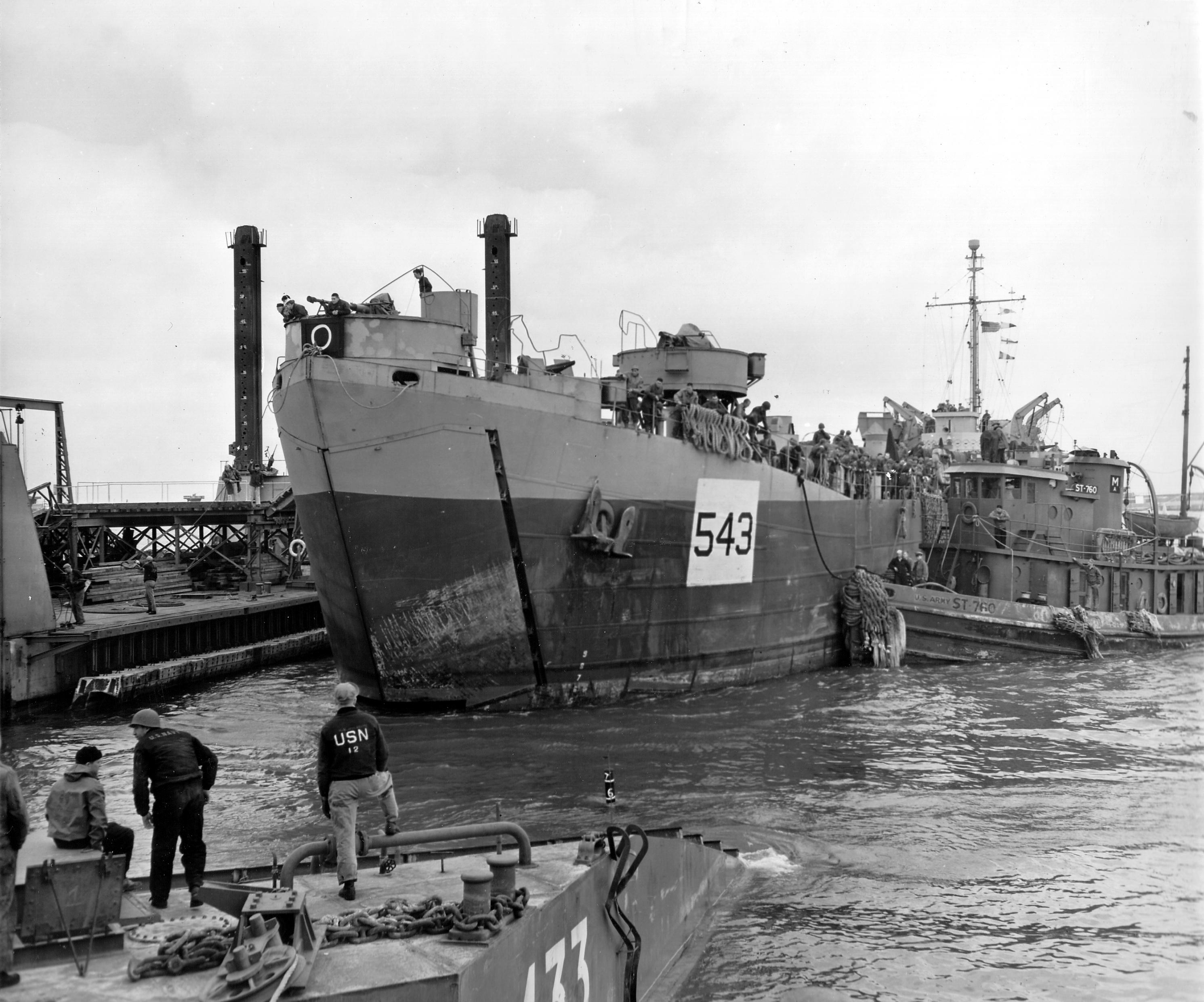
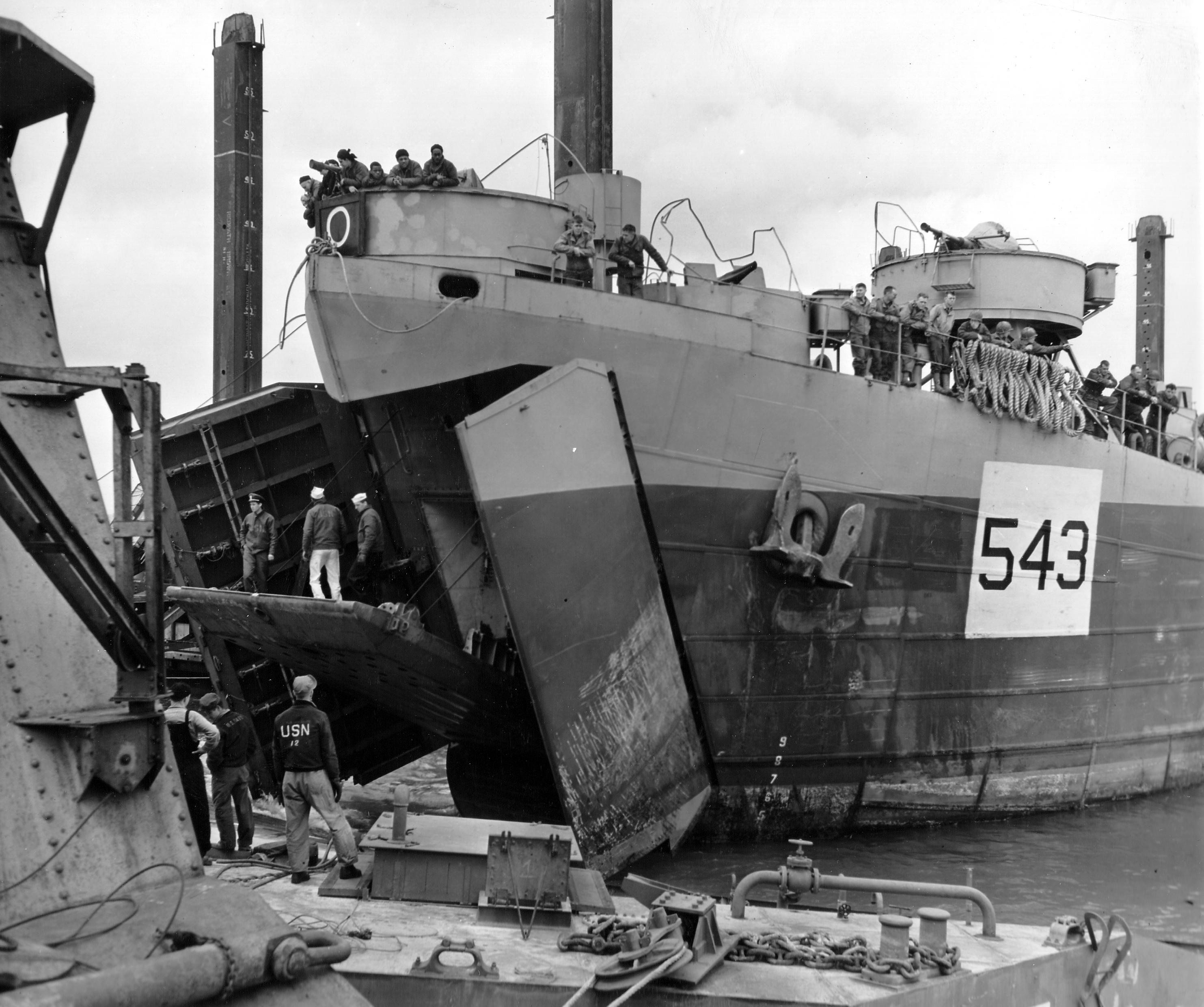
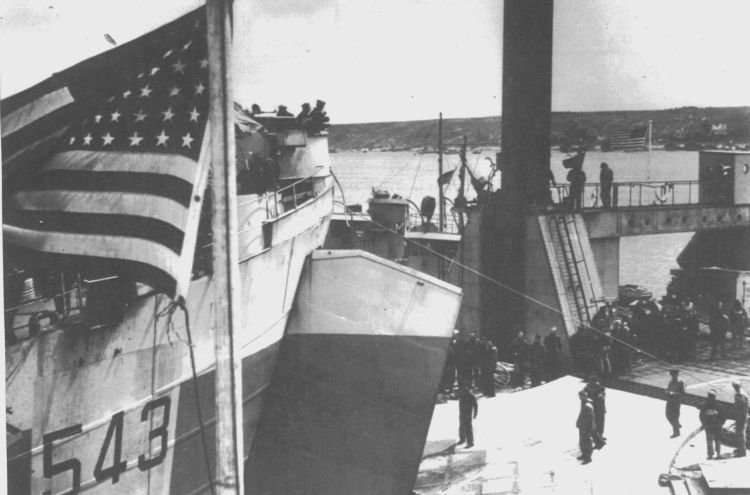
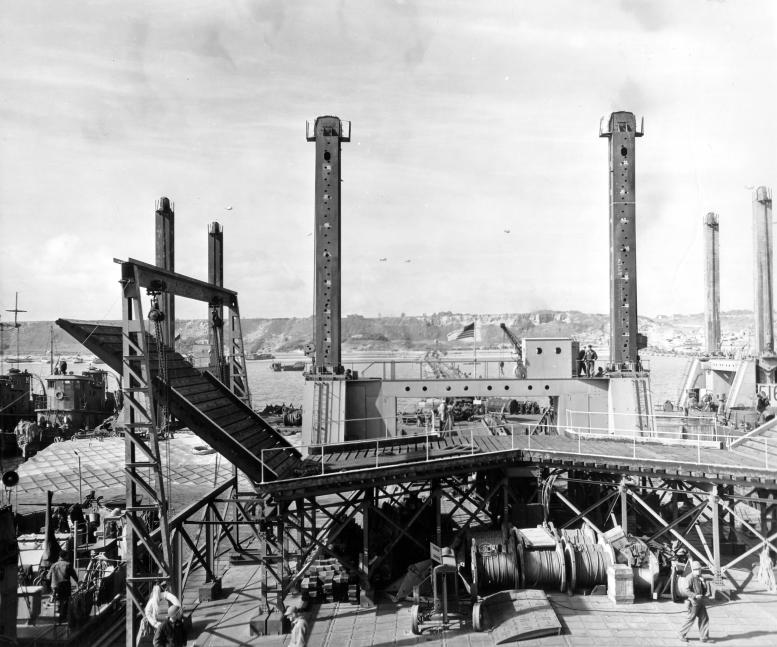
Arrival of the 1st LST (LST 543) on a Lobnitz column dock (16 June)

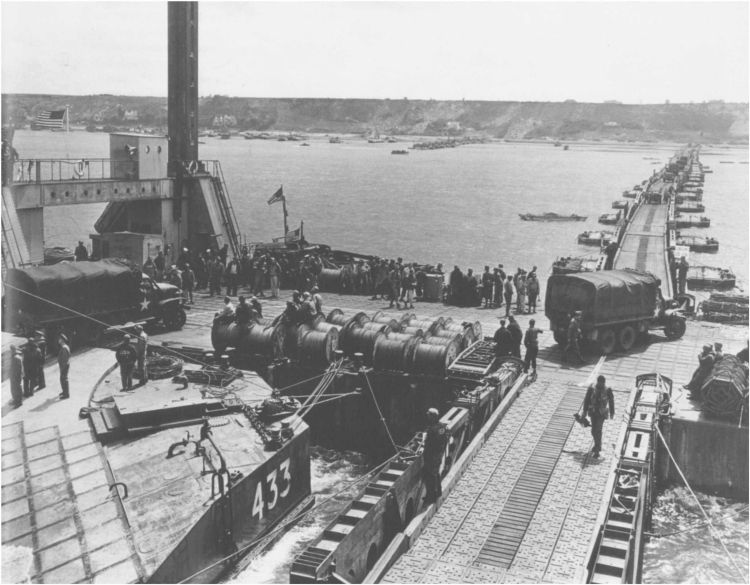
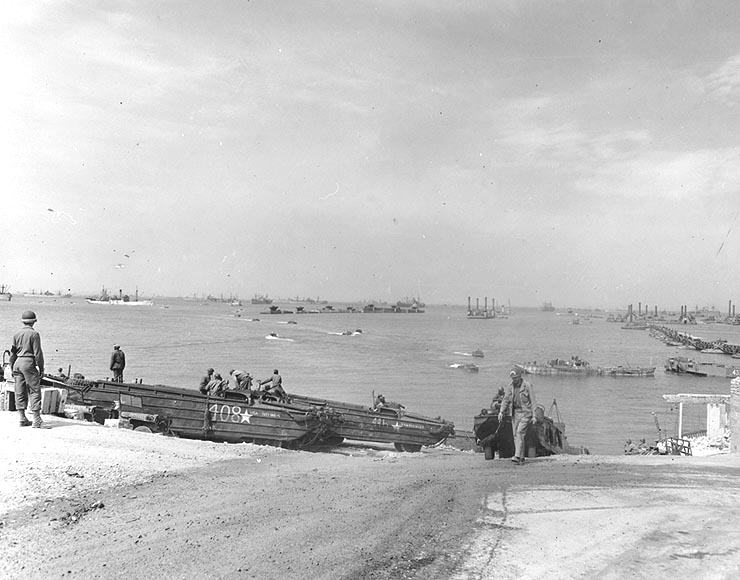
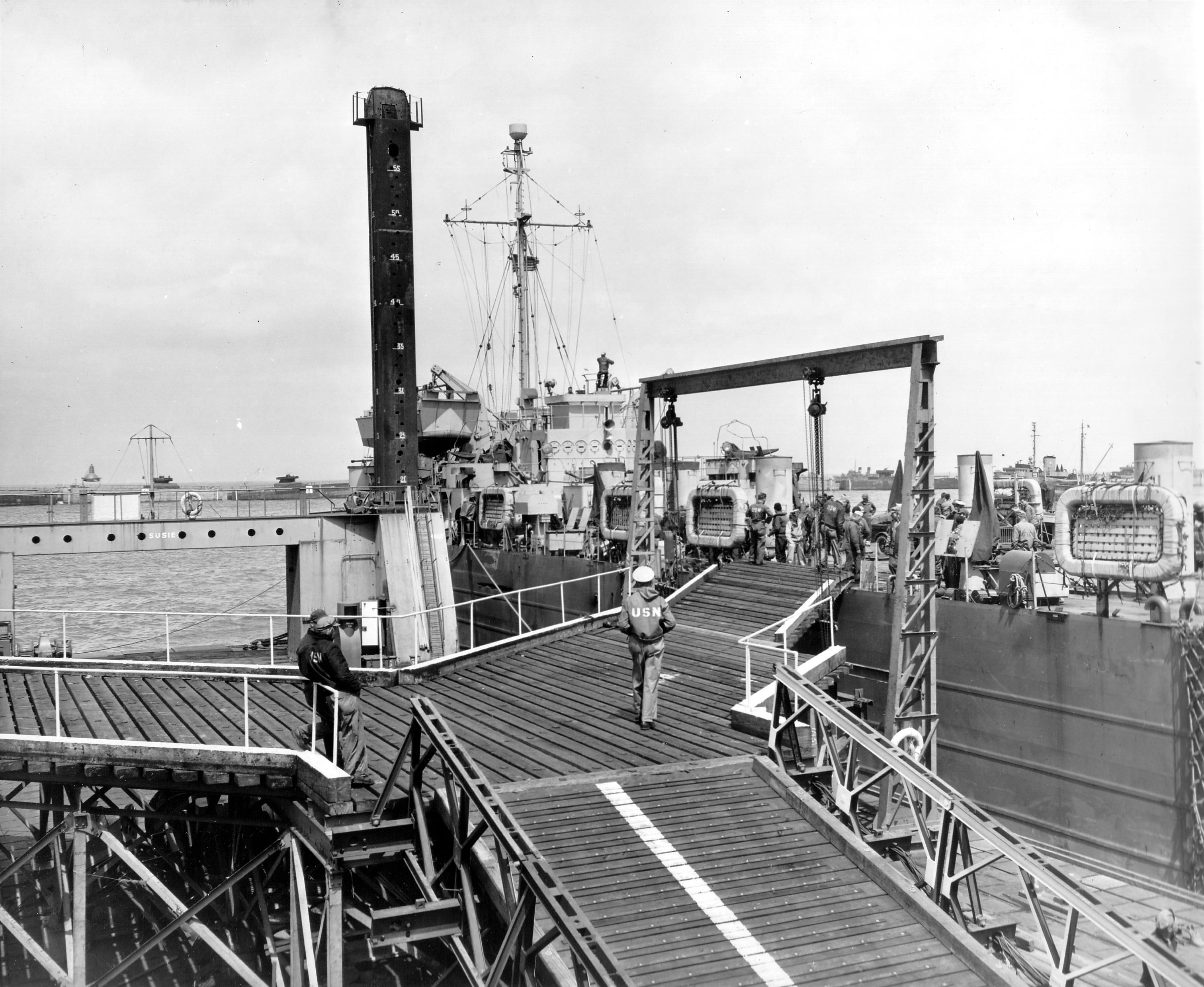
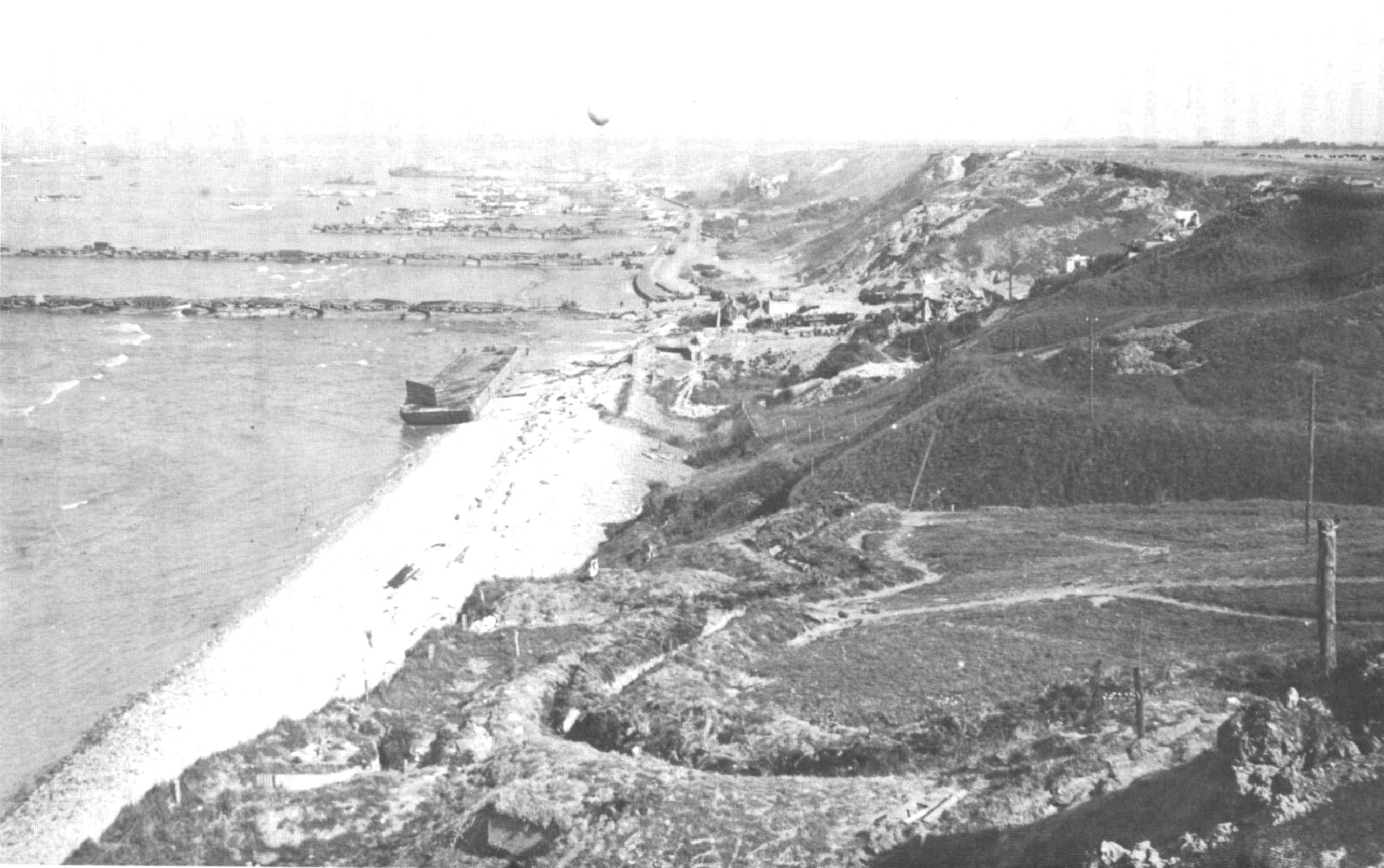
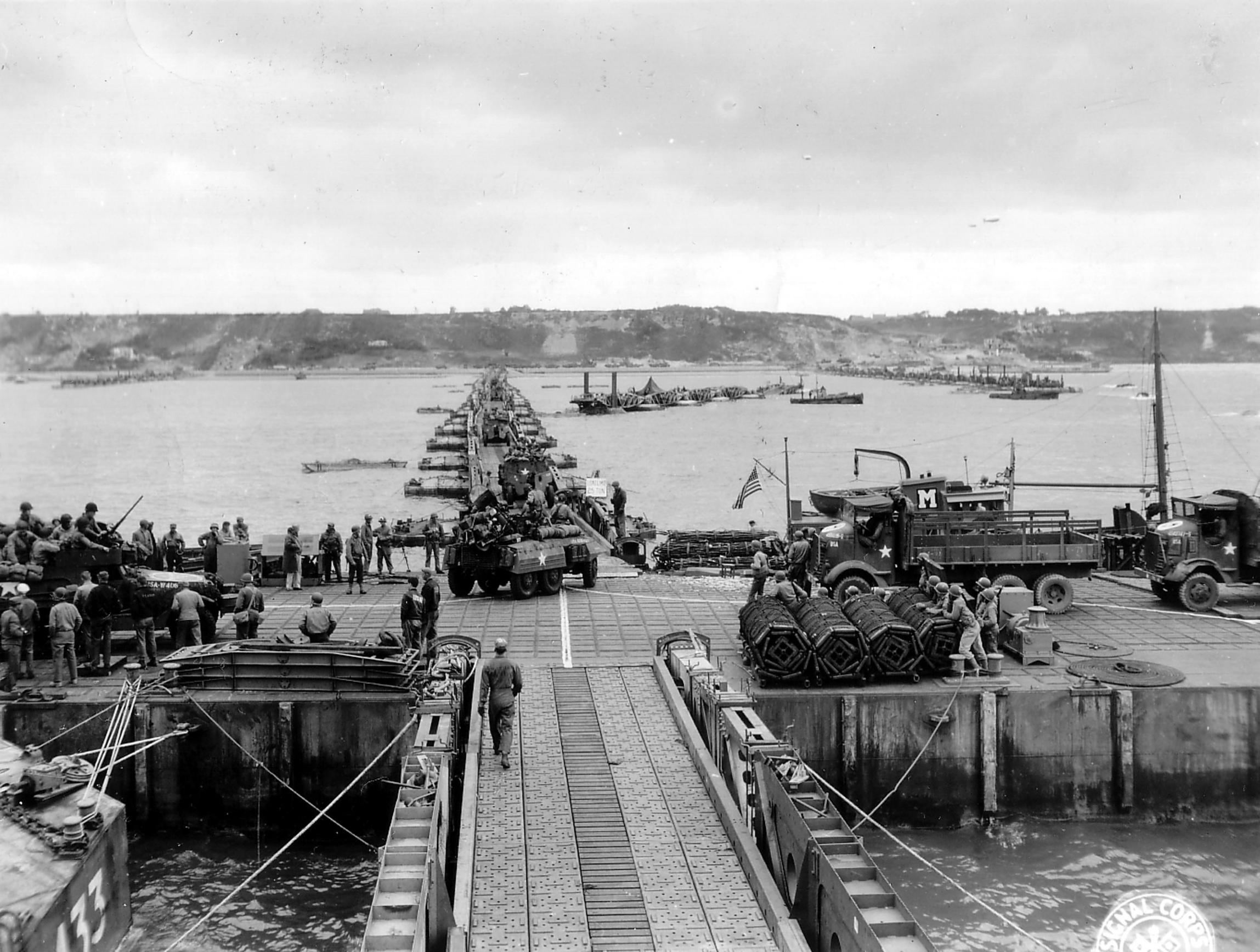
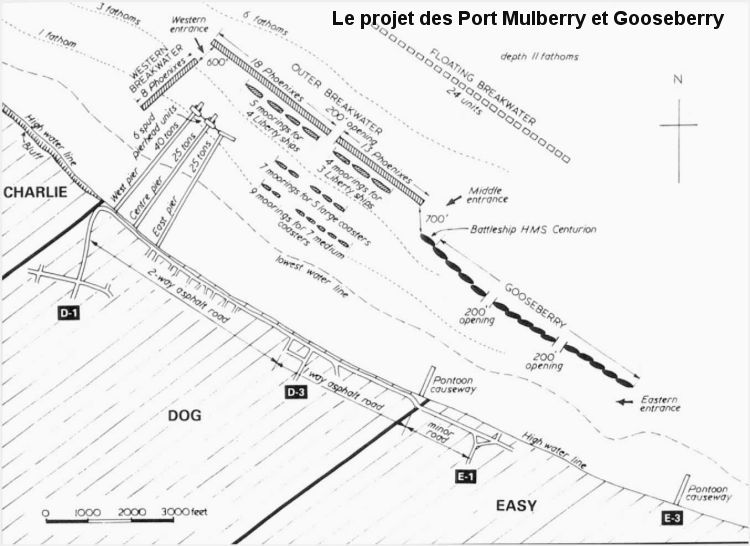
The "Mulberry" was an artificial port consisting of floating docks sliding vertically on columns (the "Lobnitz"). These wharves were connected to the coast by footbridges ("Whale"), placed on floats ("Beetle") moored to dead bodies.
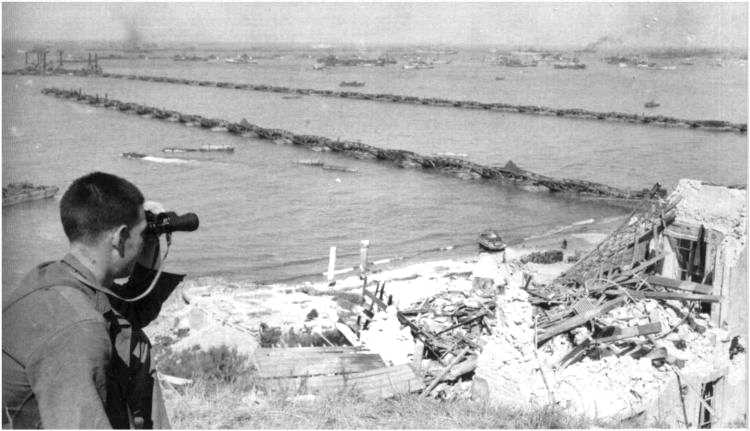
The assembly was installed in a harbour sheltered by reinforced concrete caissons ("Phoenix") dams placed on the bottom. This harbour and floating docks could accommodate LSTs (front-door vessels, 3000t and 110m long) and coasters.
Further offshore a floating breakwater line ("Bombardons") created a summarily protected harbour for the anchorage of large vessels: Liberty Ships (14.000t and 135m long).
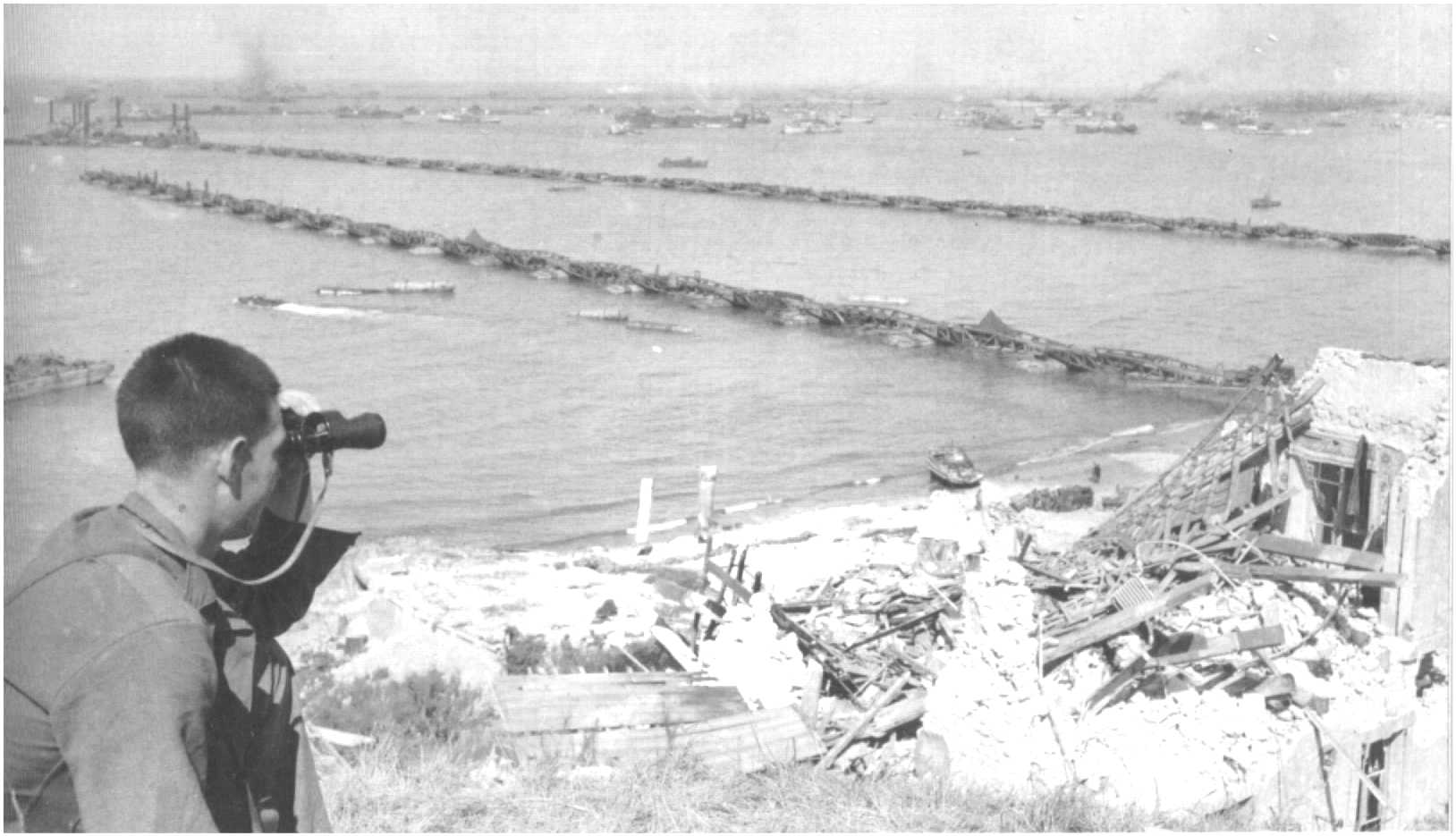
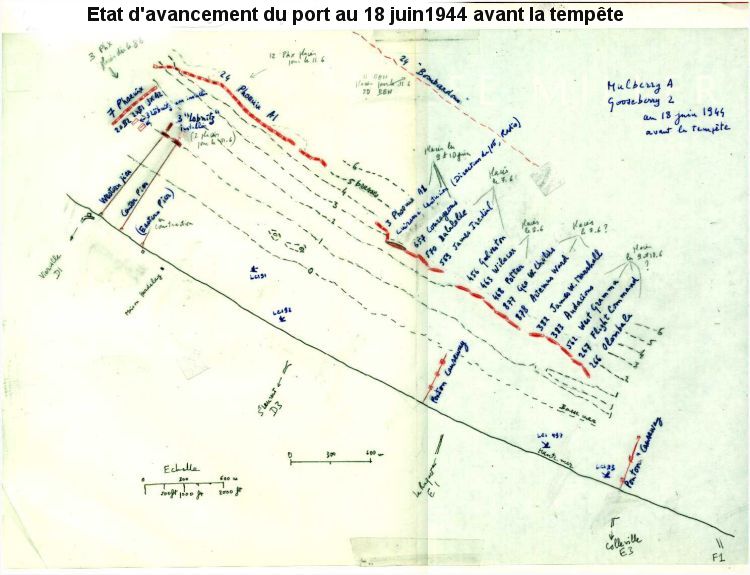
It was planned at Vierville 6 Lobnitz docks forming a set connected to the shore by 3 Whale bridges (2 capacity 25t and 1 of 40t, for medium Sherman tanks).
At the first commissioning on 16 June the protected rades were almost completed and 1 bridge (the Centre's one) was available to serve 2 Lobnitz. The photos below show in particular the arrival and unloading of the first LST in 1 hour or 2, which was very promising.
On 18 June, the 2 west and central gateways were connected to 3 docks. The remaining 3 Lobnitz were wet near the West Phoenix Cross and the East Bridge was initiated from the coast.
But the next day, June 19th, a strong wind blow (force 6, gusts 7 to 8) dismantled the floating and fixed breakwaters in 3 days and destroyed the complicated installation of the docks and bridges.


Quote by the intelligence officer of the 492nd Fighting Squadron, boarded on June 17 on a LST and landed with his unit on June 18 at MulberryA:"As we were approaching Omaha Beach, we were mouthed at the sight of the docks and floating bridges finished by our engineers. The waterproofing efficiency of our vehicles has never been tested, and not a tire has been wet."

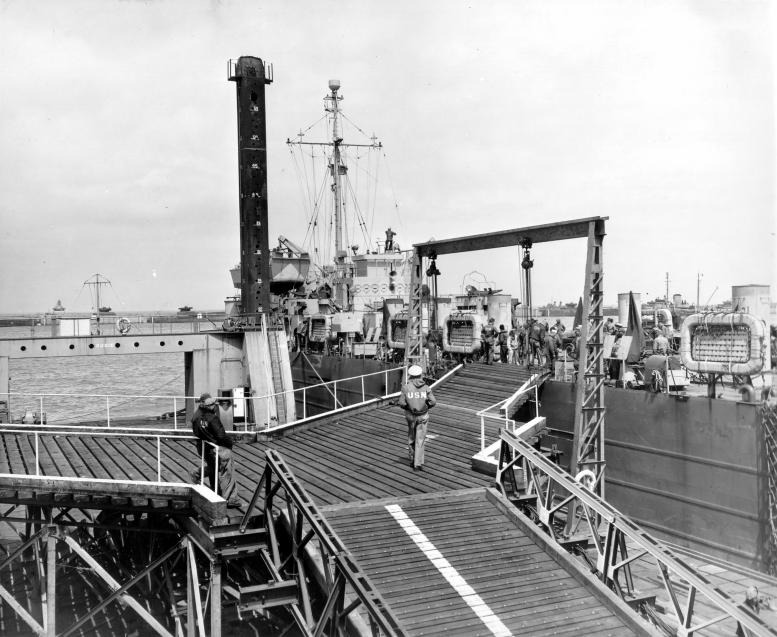
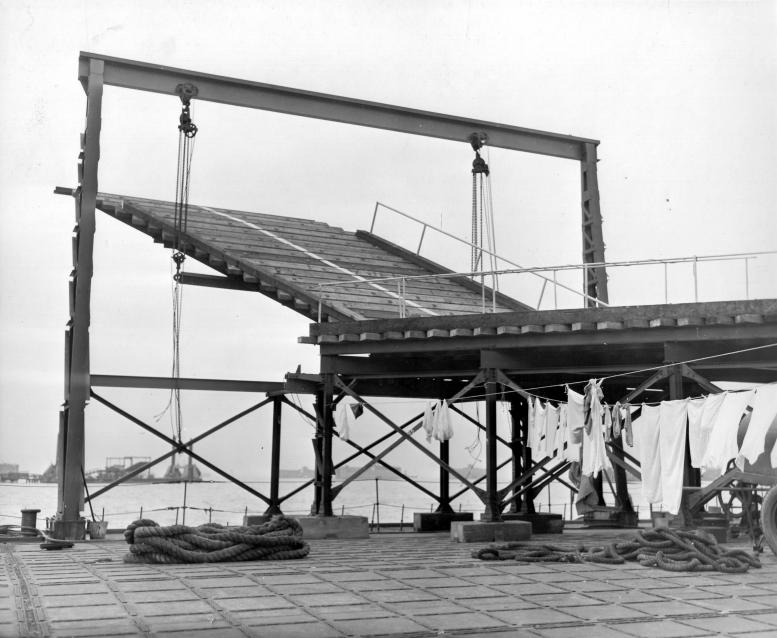




The outlet of the 25t walkway of the centre,
just west of the villa Curto
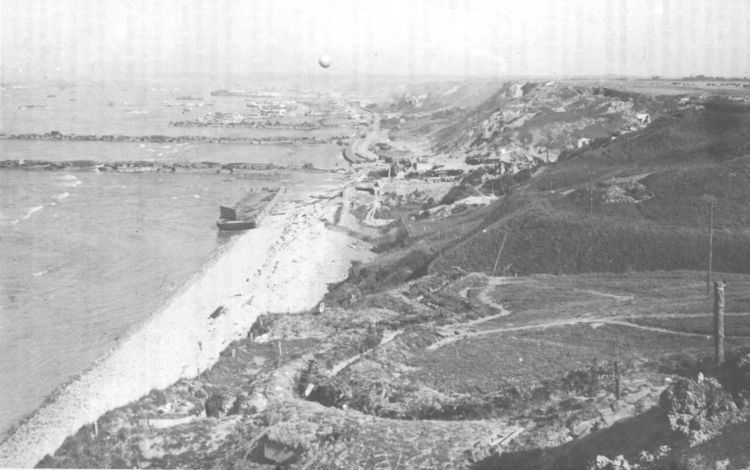
(details)
The primers of the 3 gateways