
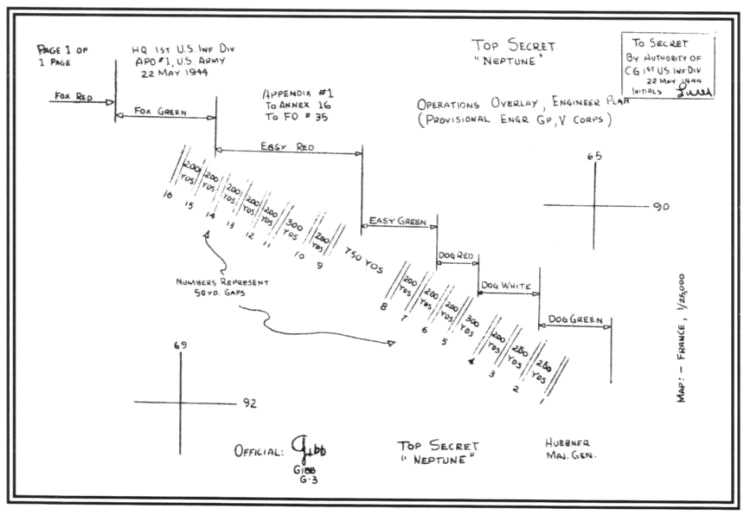
Position of the 16 scheduled beeches on Omaha Beach




The Joint Engineering/Marine Special Force
SETF Special Engineer Task Force
The mission of SETF
Obstacles on the beach were very important and still in full development at the time of landing. To allow landing barges to approach at any time of the tide, it was essential to create 45m wide breaches in these obstacle lines.
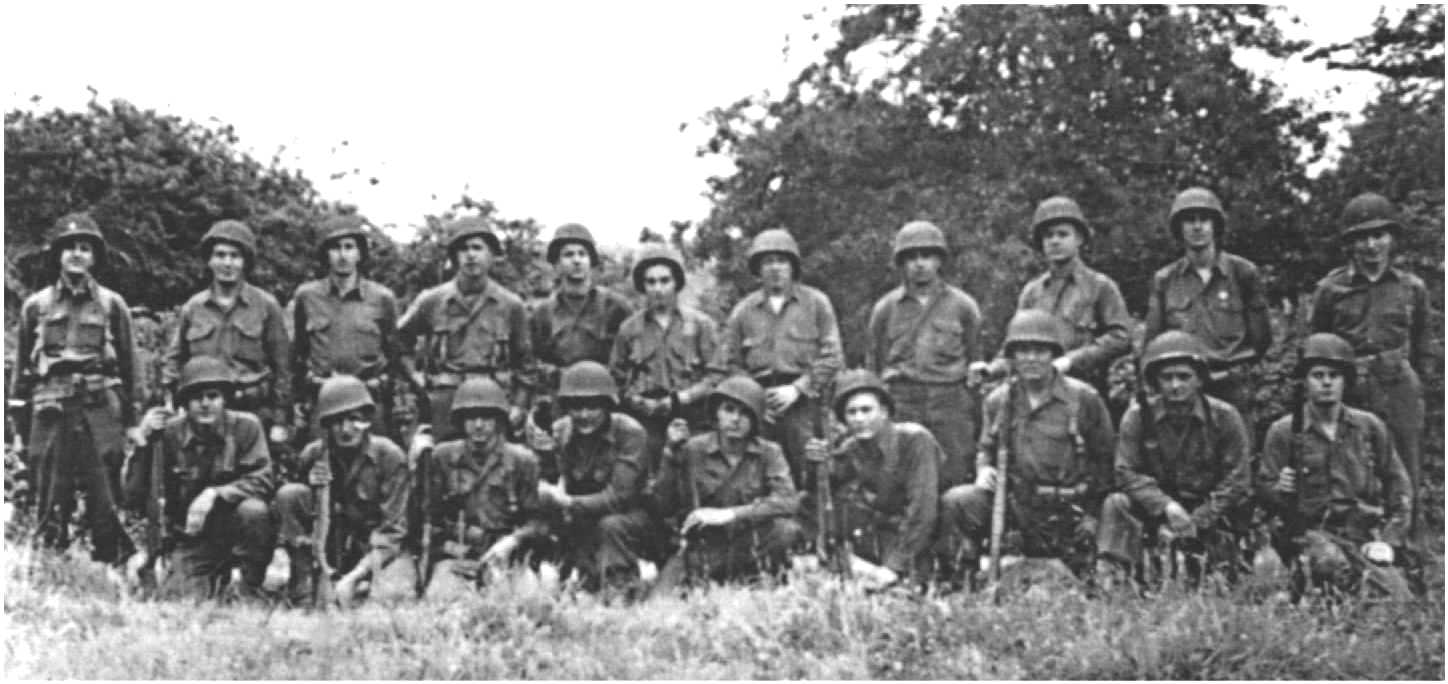
This work was entrusted to the Gap Assault Team, which brought together a dozen sailors from a NCDU (Naval Combat Demolition Unit) and about thirty sappers (including 2 nurses) from an engineering group seconded from the 146 and 299th battalions of Engineering.
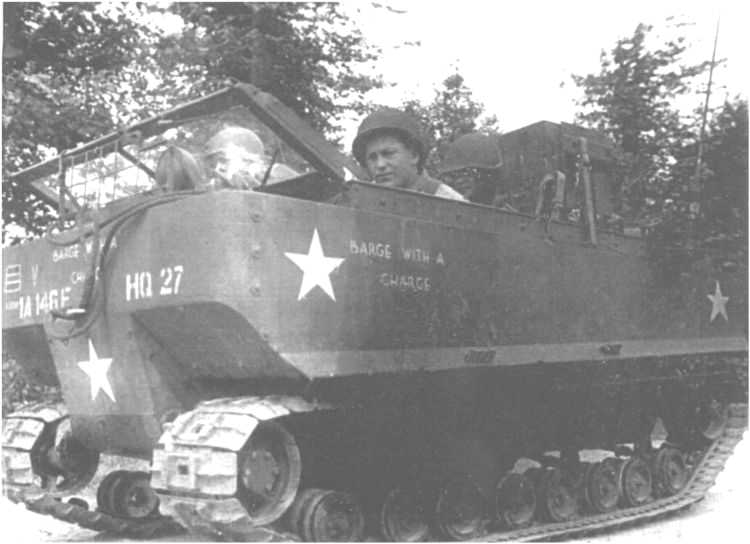
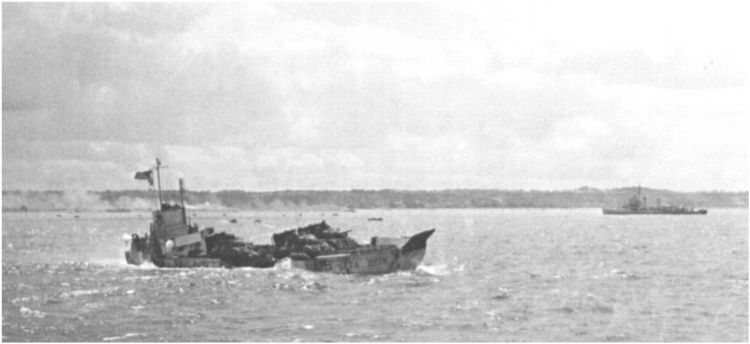
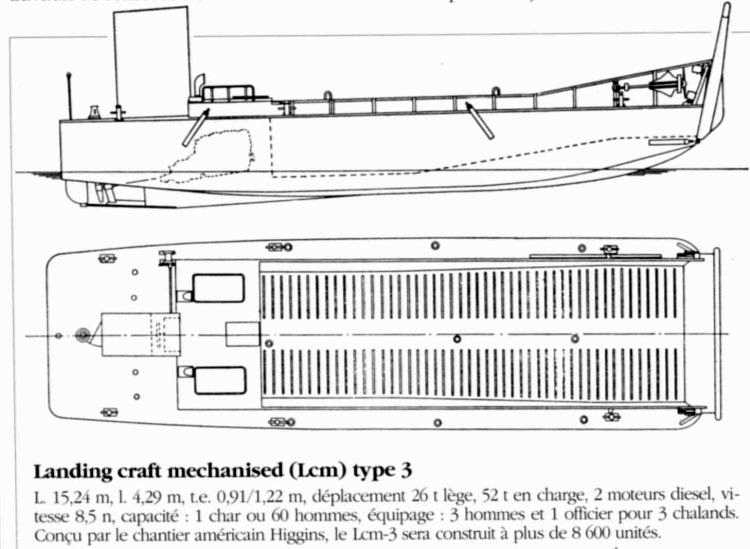
This team, commanded by a engineer, was transported on a LCM and assisted in its mission by a tankdozer to clear the cleared and destroyed obstacles.
Tankdozers were transported on LCTs loaded with two standard Sherman 741st and 743rd Tank Battalion and 610th Engineer Light Equipment Company. These armed-marine inter-arms teams had only two weeks to train together before D-Day.
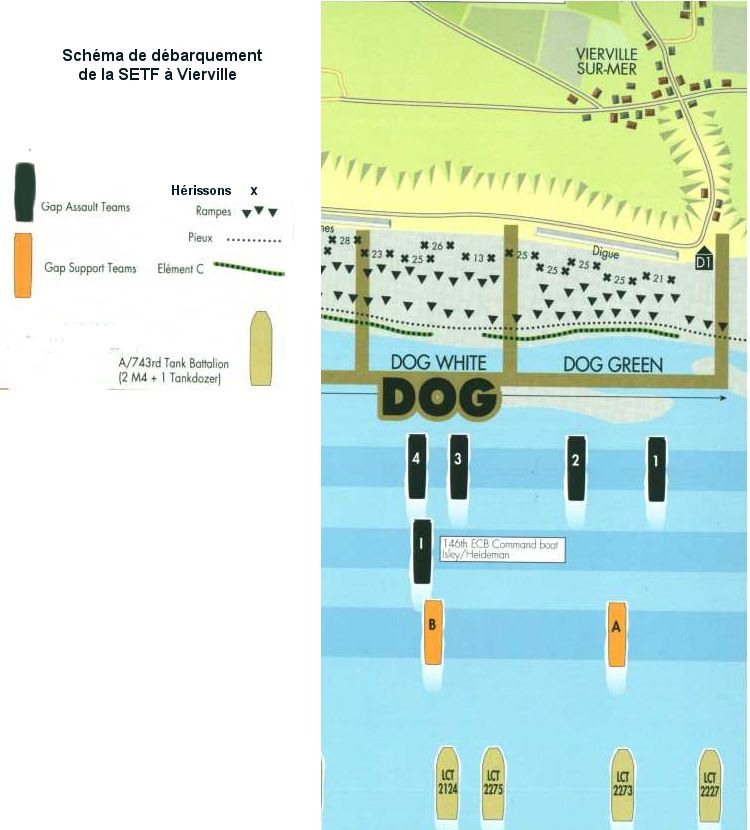
It was planned to create 2 breaches per beach area, i.e. a total of 16 breaches, so 16 "Gapteam" numbered 1 to 16 (the first 4 on the 2 sectors of Vierville, Dog Green and Dog White), supported by 8 "Support Teams", designated A to H, (the Support Team A to D were assigned to the 2 sectors of Vierville).
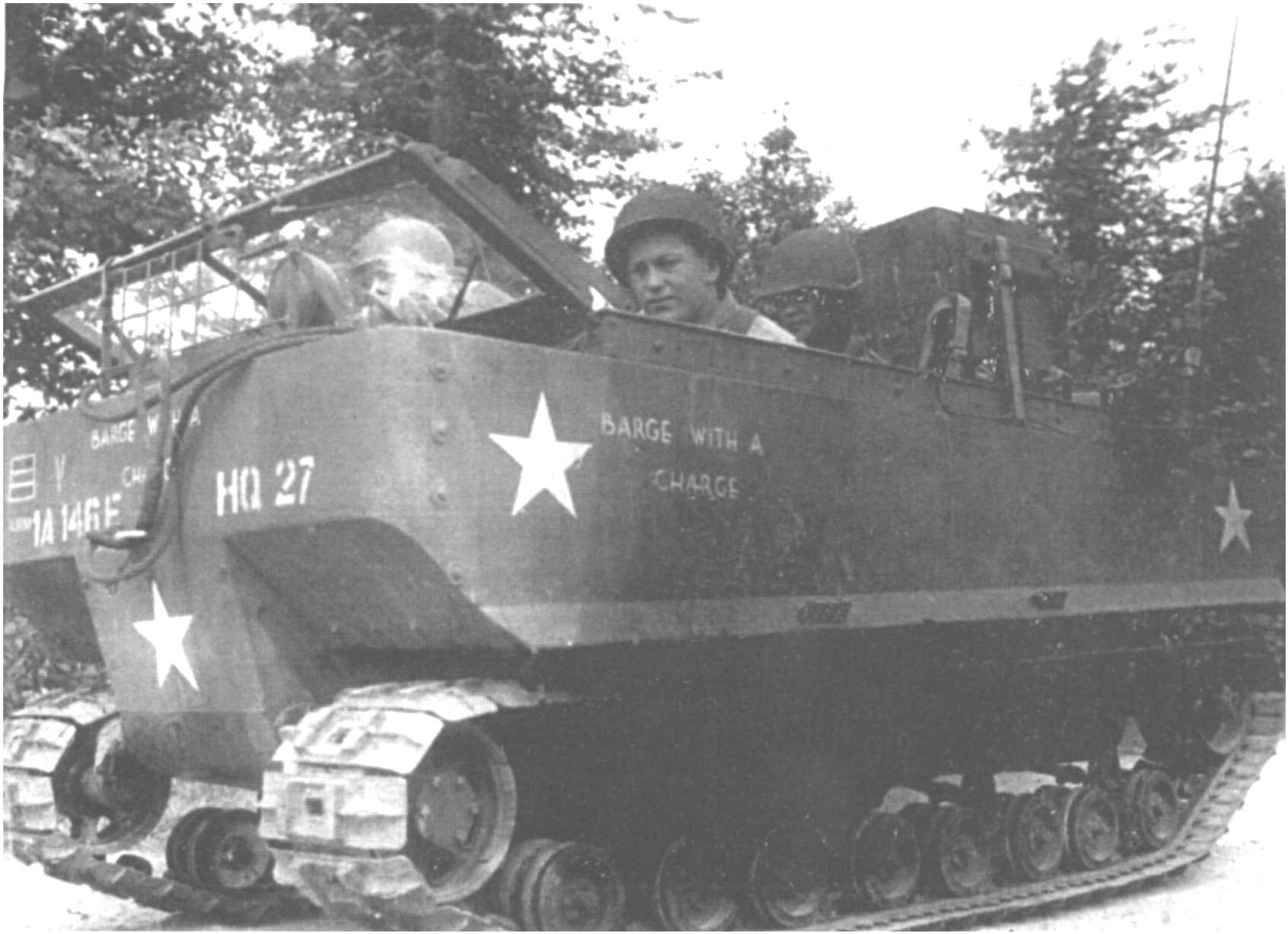
The ensemble formed the SETF, commanded by Major Isley on board with a Weasel M29 caterpillar on a LCM..
Major Isley was supposed to land on the Dog White-Dog Red boundary in principle.
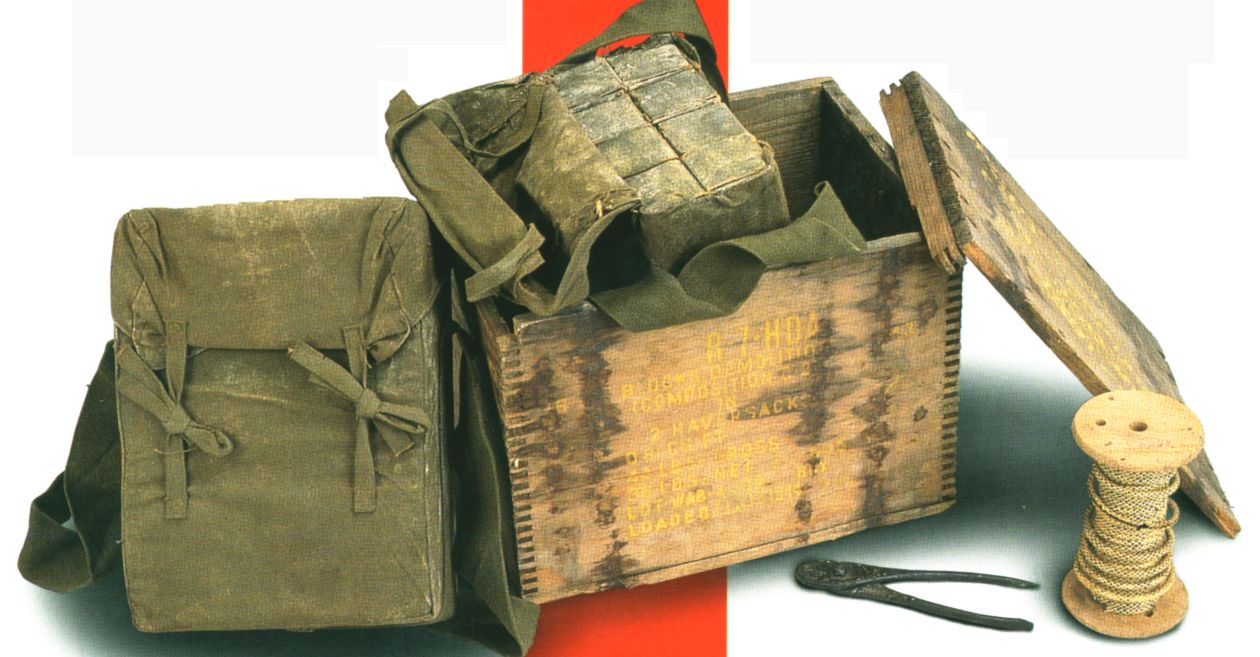
The 16 Gap Teams and the 8 Support Teams were to approach the beach at H + 3 minutes (the tanks were to arrive at H-1minutes and the infantry at H+0) aboard the 24 LCDs, each carrying two inflatable canoes loaded with 225kgs of explosives. The Support teams each had 1000kg of explosives. Each tankdozer towed a 225 kg trailer containing additional explosives.
Each team consisted of two teams of deminers and two demolition teams.
The NCDU sailors had to attack the defences closest to the sea, the sappers taking care of the defences not yet submerged, getting closer to the land.
If the plan were to proceed as planned, the obstacles had to be prepared to be destroyed by a single explosion.
Each completed breach had to be marked by buoys and special poles to be detectable from barges approaching at high tide.
The barges of the support teams and the command group were to fail as quickly as possible after having emptied their passengers, and to remain near the beach in order to deliver explosives where they would be requested.
The SETF on D-Day
The Sep Teams of the SETF crossed the Channel aboard LCT, which was towing a LCM only loaded with equipment and explosives. They didn't join the LCM shortly before the assault. The LCMs could not cross the Channel by their own means, especially if the men were on board. Reserve MCLs were planned if shipwrecks were to occur along the way, which actually happened.
The SETF has encountered many difficulties at sea. The LCT are the slowest barges in the fleet and they left the harbour first, at 2am on June 4, while D-Day was still set for the 5. The LCT had to backtrack at the last moment and return to their port of departure at 11 am, to the great disappointment of the men. For the most part, the sappers were piled in the open air holds of the LCT during the June 4 rain day, before returning to sea. Thus, some endured sea sickness for almost two days before touching the mainland in France.
In fact the accuracy in time and place was illusory and most of the landings were often delayed and often shifted eastward due to the current, wind and perhaps the absence of a PC patroller to report the Dog Green boundary.
About half of the Gap Teams landed more than a quarter of an hour late. Since the work was to be completed in 30 minutes, this meant that the sappers did not have the time to clear their gaps.
In addition, the Gap Teams were subjected to heavy fire and some were unable to carry out their mission.
The SETF managed to open only a small part of the breaches planned during the morning. In the afternoon, when the sea withdrew, the surviving sappers were able to work in better conditions. On Omaha Beach, the Gap Teams have an estimated loss rate of between 34 and 50% of the workforce.
The SETF in front of Vierville
It was planned to achieve 4 holes 45 m wide, 2 on each sector, Dog Green and Dog White, with 4 Gap Teams and 2 Support Teams led by 6 LCM.
4 tanks (of the 610th Engineer Tankdozer Company, of 4 LCT) were to support the 4 Gap Teams.
Of the 4 LCTs that carried them, only LCT2227 (Gapteam 1) seemed to have approached Vierville 1h late, with the Gapteam 1 tankdozer on Dog Green, but there was no Gapteam in the vicinity. The LCT ramp was severely damaged by artillery and was constellated with machine gun impact.
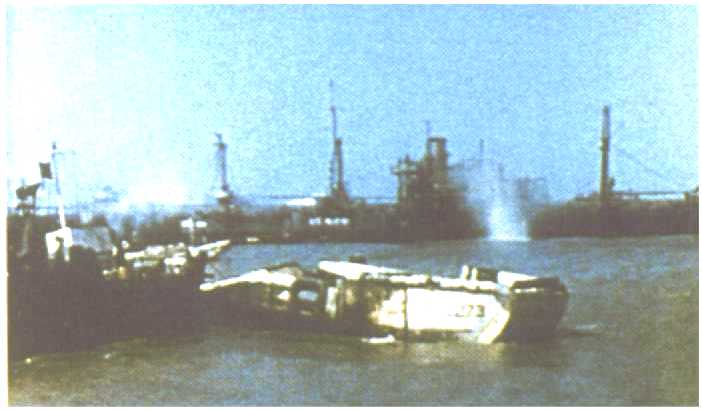
The other LCTs were largely delayed and later approached much later on St-Laurent, including LCT 2050 (Gapteam 3) and LCT 2273 (Gapteam 2), which had been severely damaged and which ended up sinking into the sea with its loading. The LCT 2275 (Gapteam 4), which was also delayed by damage during the journey in the Channel on 5 June, came only at 12:00 on 6 June and was not able to approach. He managed to unload his 2 tanks and the tankdozer at the low sea at about 5:00 p.m. in St-Laurent and retired by towing the distraught LCT 2273.
So the Gapteams didn't get any support from the tankdozers on Vierville.
Team 1's LCM, which should have worked 200m east of D1 descent (Vierville), was found at the eastern limit of Dog White, 1500m eastward.
The LCM n°2 arrived too late at about 7:30 a.m. and the rising tide prevented any work.
LCM #3 received shells while approaching, its explosives jumped, only one sapper escaped unharmed.
LCM #4 suffered heavy losses in trying to undermine the obstacles and failed in his attempt.
The LCMs of the A and B support teams were delayed and deported eastward, the A even approaching Colleville at about 7:10 a.m.
Finally only LCM number one arrived on time, but on Dog White, and he had realized its corridor in 20 minutes On the eastern border of Dog White, unfortunately insufficiently marked breach.
It was only in the afternoon that the survivors of the demolition groups were able to return to work, at the tide down, and in better conditions, assisted by the sappers of the 147th Battalion of the engineers of Beach.