(details)
YMS-type dredgers blow up a mine



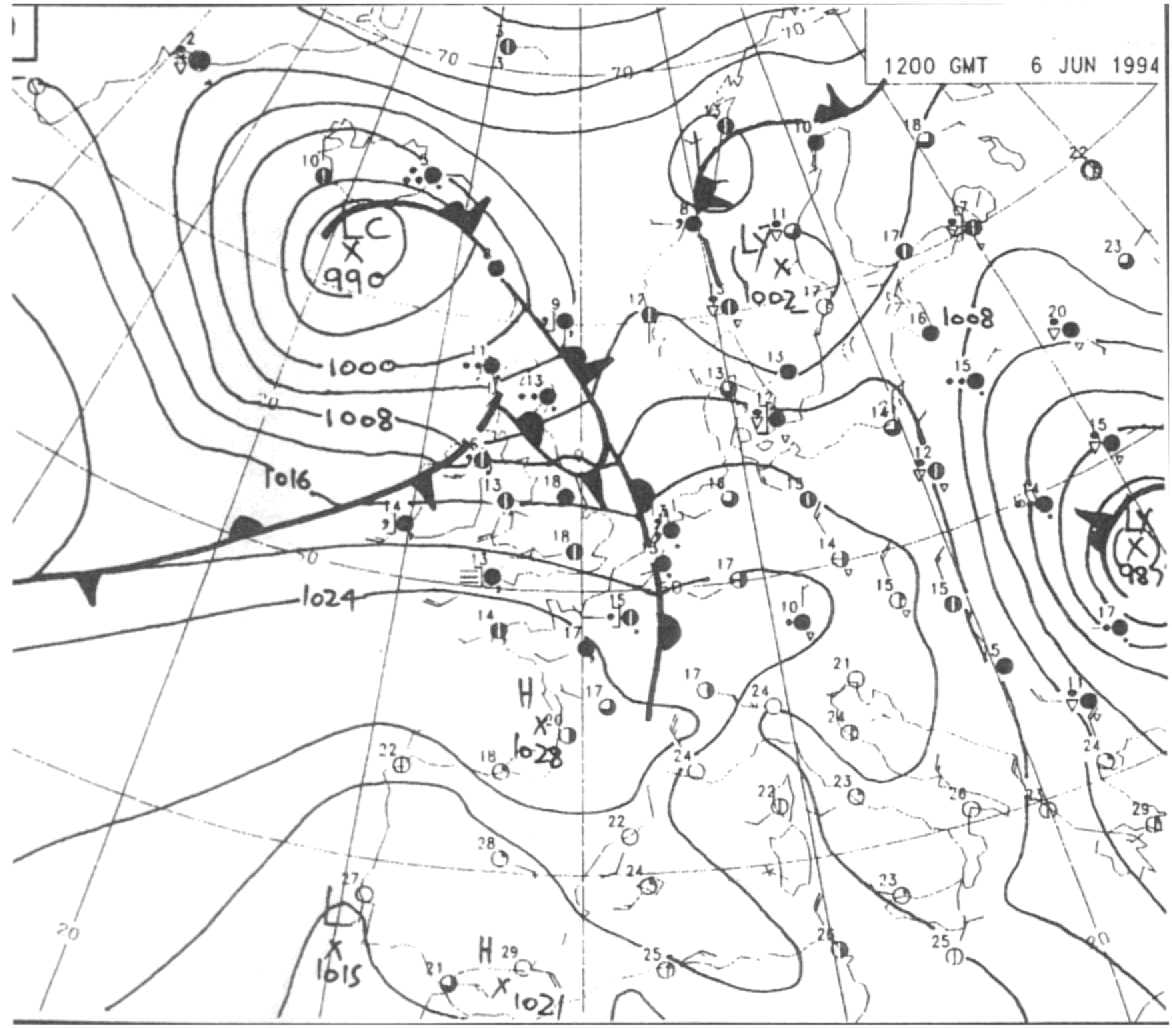
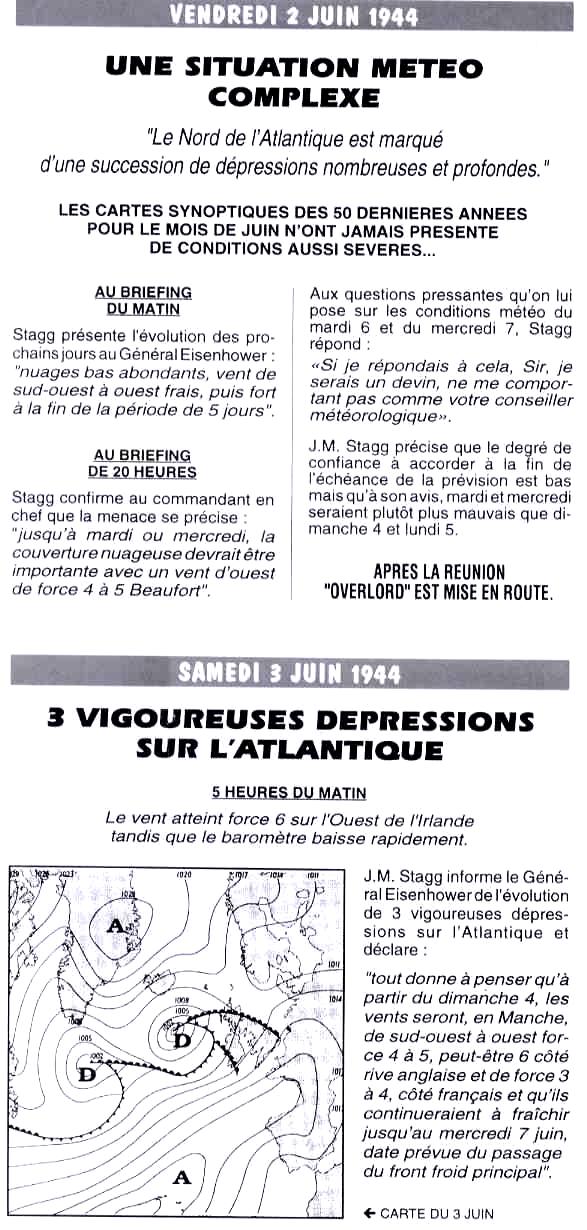
The date and time of the attack depended on the weather conditions that could significantly impede naval and air operations.
The assault was long planned for June 5, with the possibility of delaying by 1 or 2 days, otherwise it was necessary to wait for the next high tide, that is 14 days. (This would have led to landing on June 19 or 20, days of the NE wind!)
At the last minute, on June 3, all the assault forces on board and waiting for the signal of departure, the forecasts were unfavourable for D-Day: overcast sky and strong west winds.
At 04:15 on June 4, General Eisenhower retreated on D-Day by 24 hours.
The weather forecast provided on June 4 gave the hope of a slight but temporary improvement. From 6 June, for about 24 hours, a period of spaced clouds and a ceiling not falling below 1,000 m was planned. The sea was planned to "wrapped" at "unwrapped", with winds of West force 3 to 4 Beaufort . After this lull, a very cloudy sky and stronger winds were to be expected again.
The weather on June 6

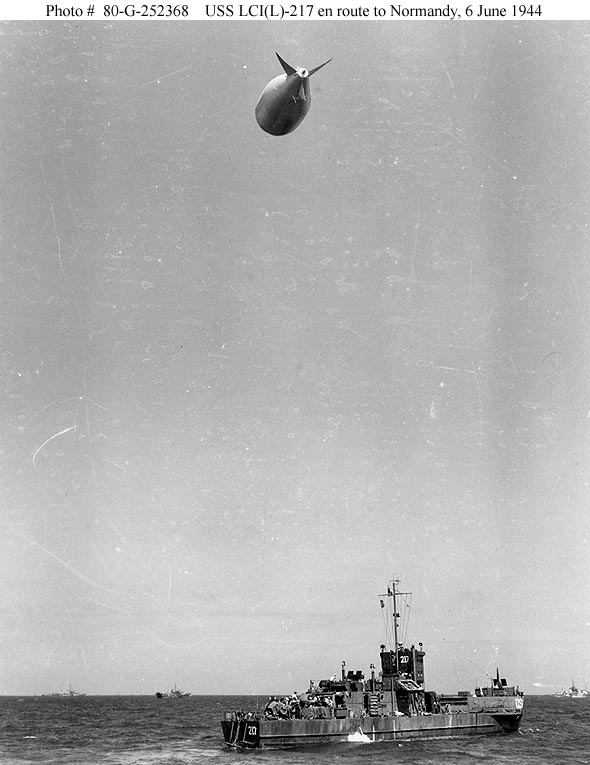

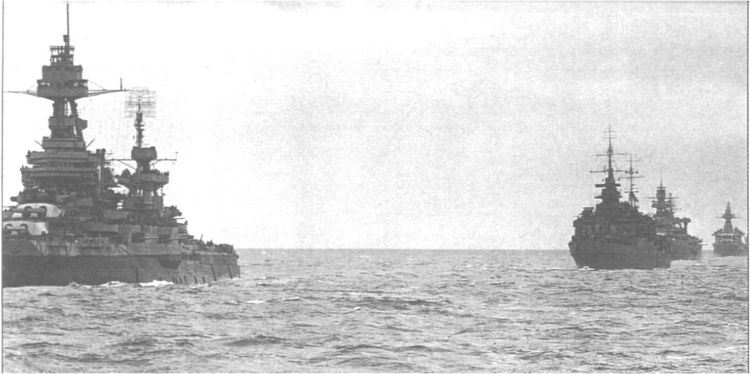


General Eisenhower then decided on 5 June at 4:15 p.m. to accept the risks by attacking under limited sea and sky conditions. H time for Omaha Beach has been set at 6:30. The tide was low at 0525 and the first high tide at 1030. Sunrise was at 05:58 and sunset at 22:07.
Crossing the Channel
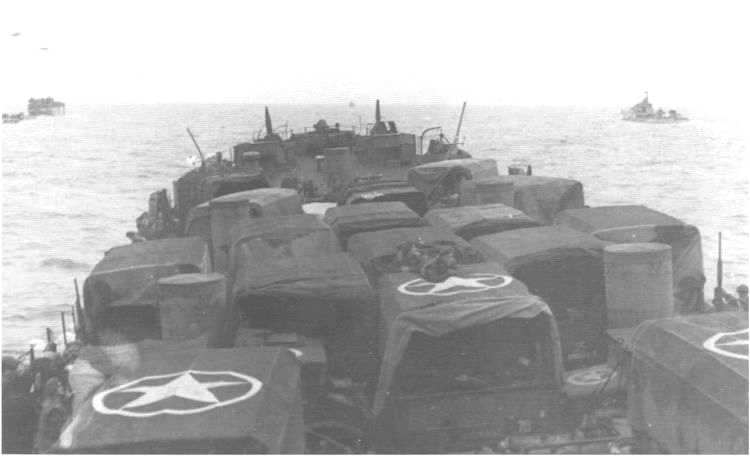
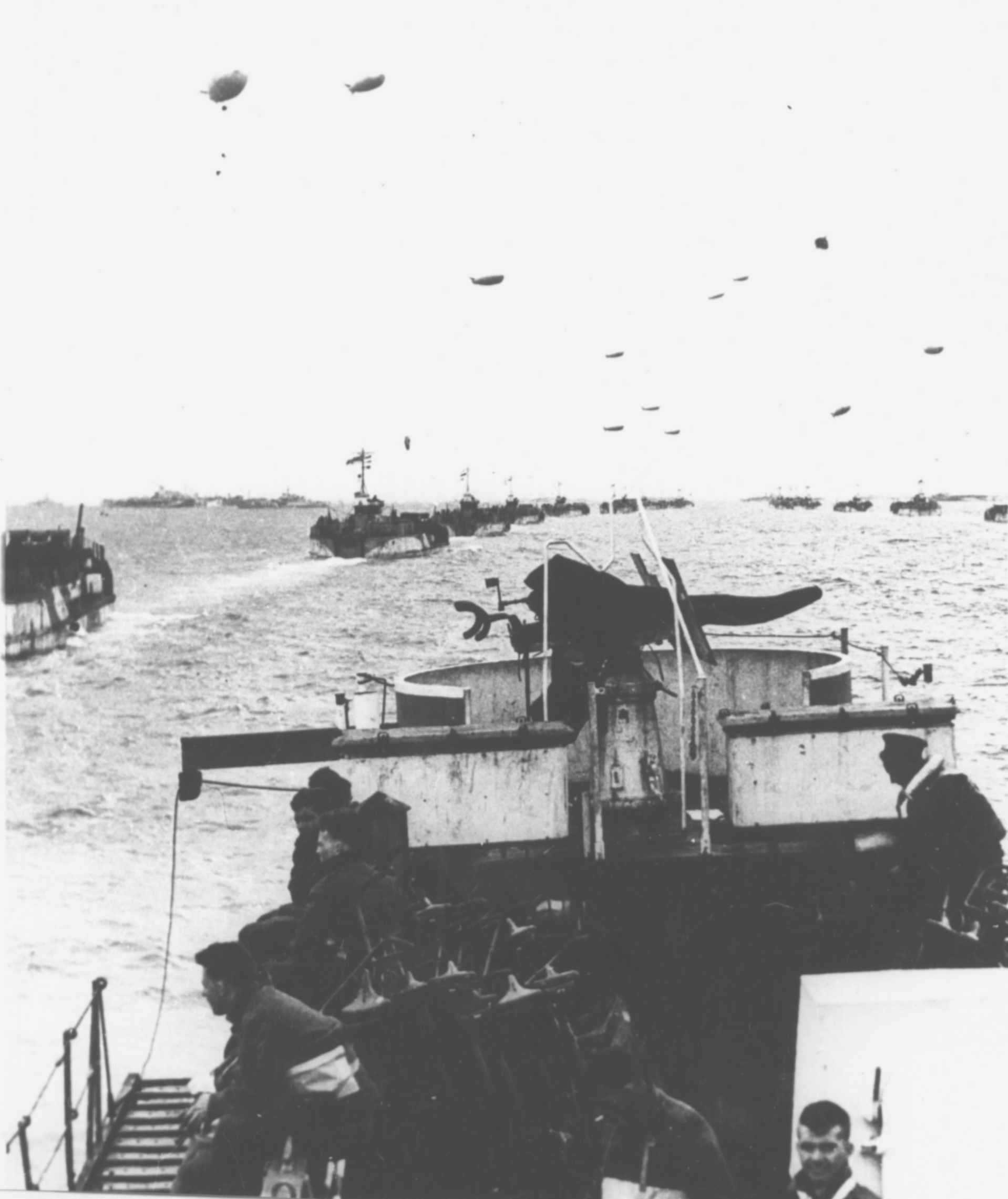
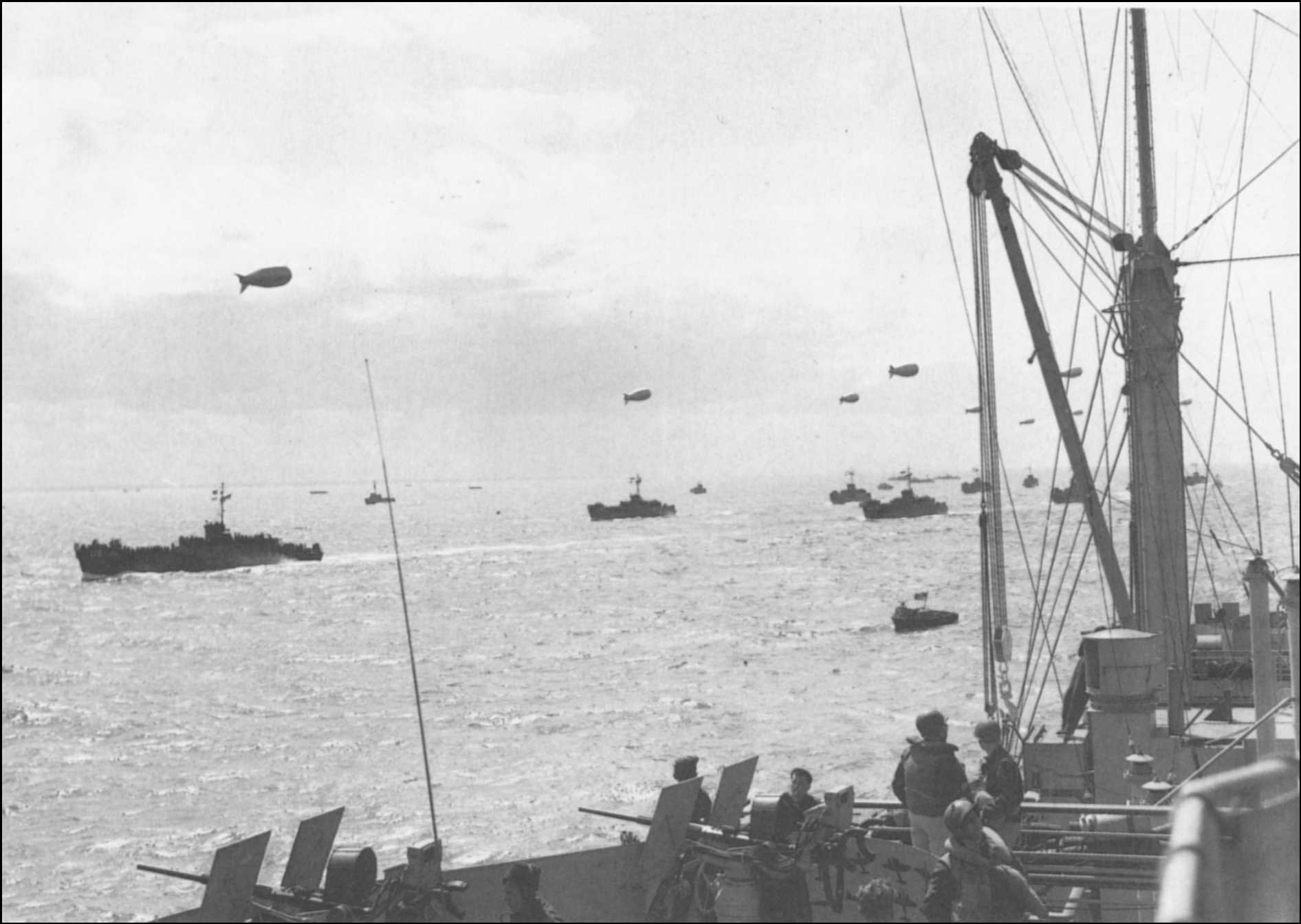
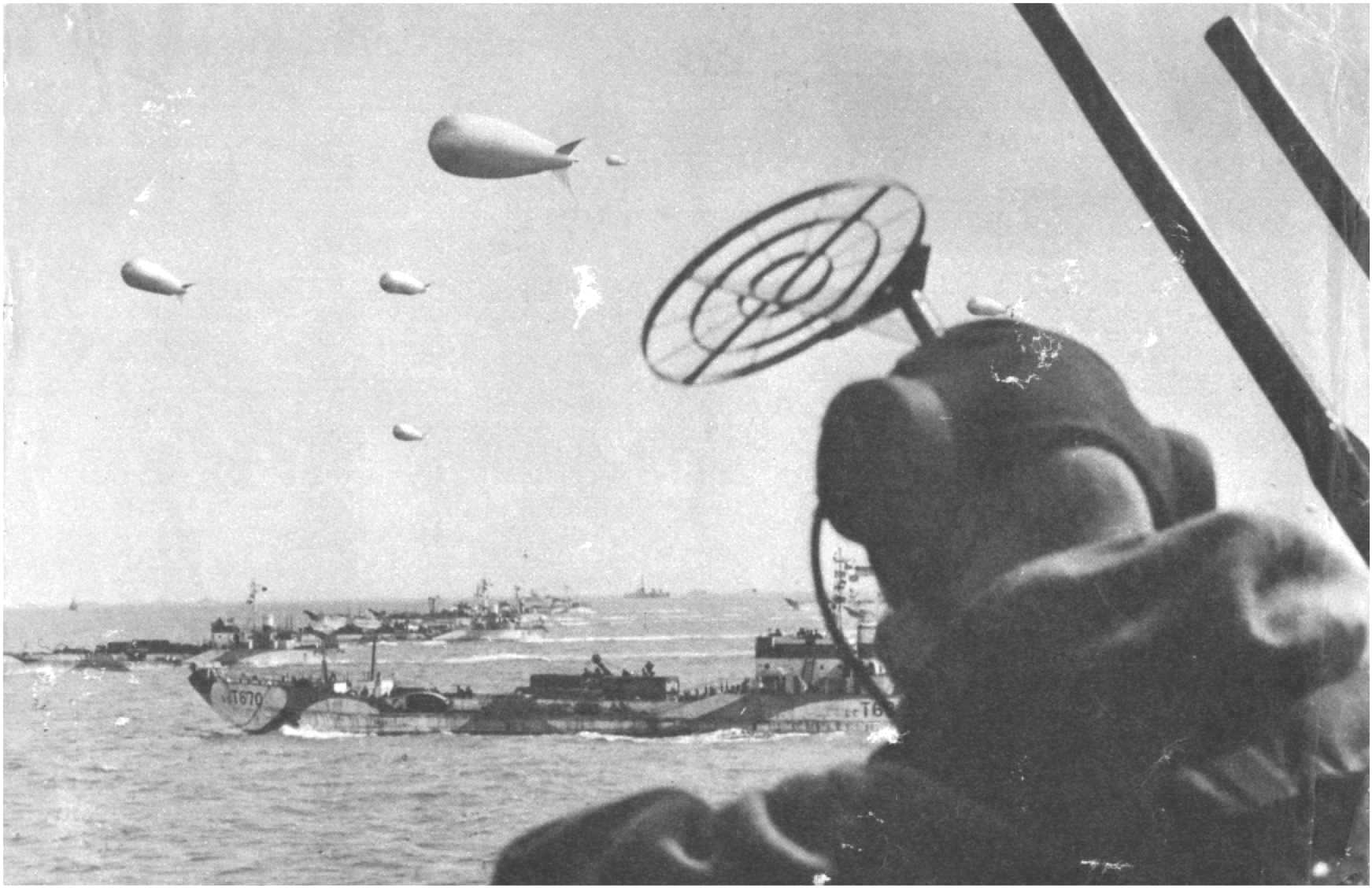
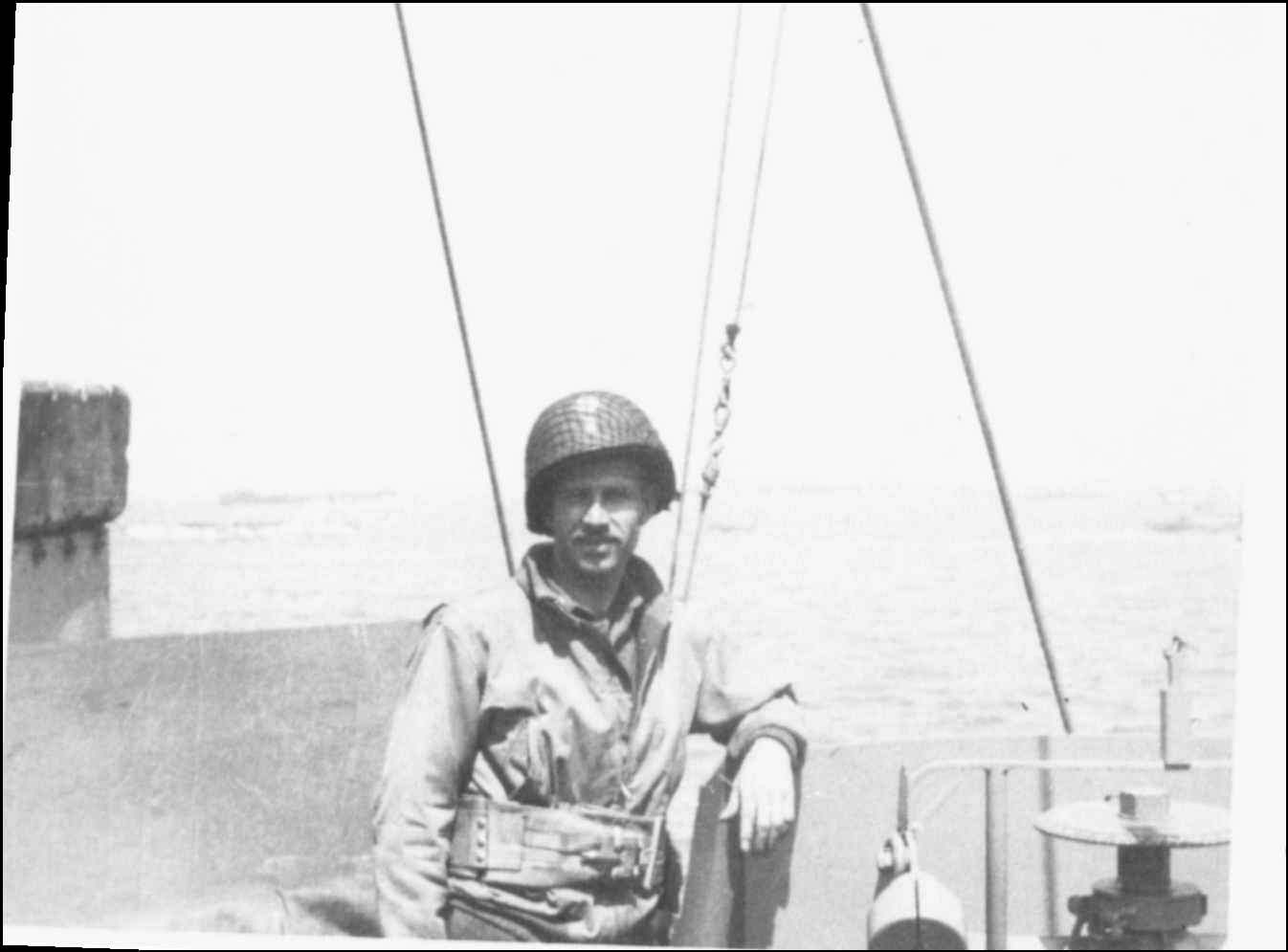
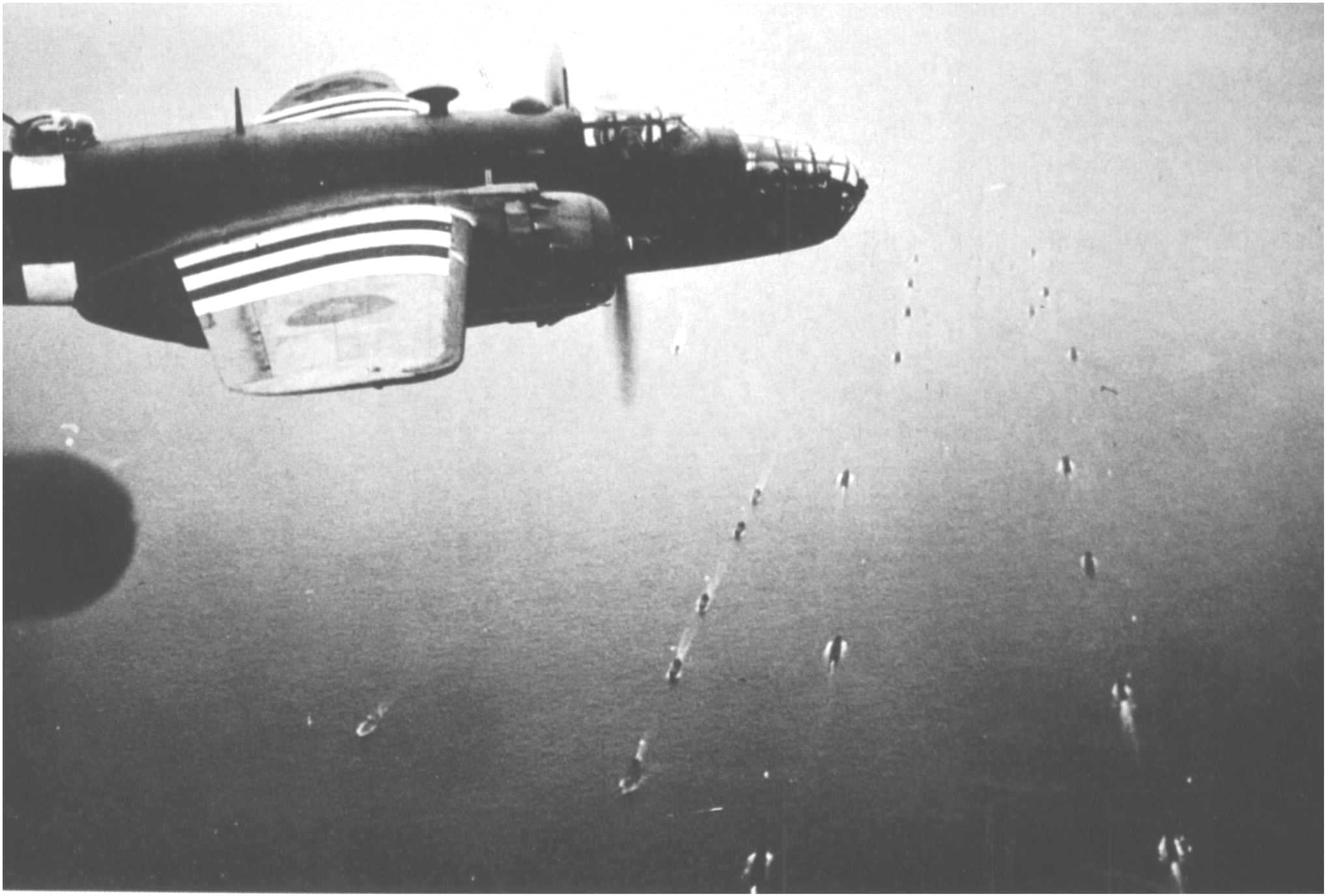
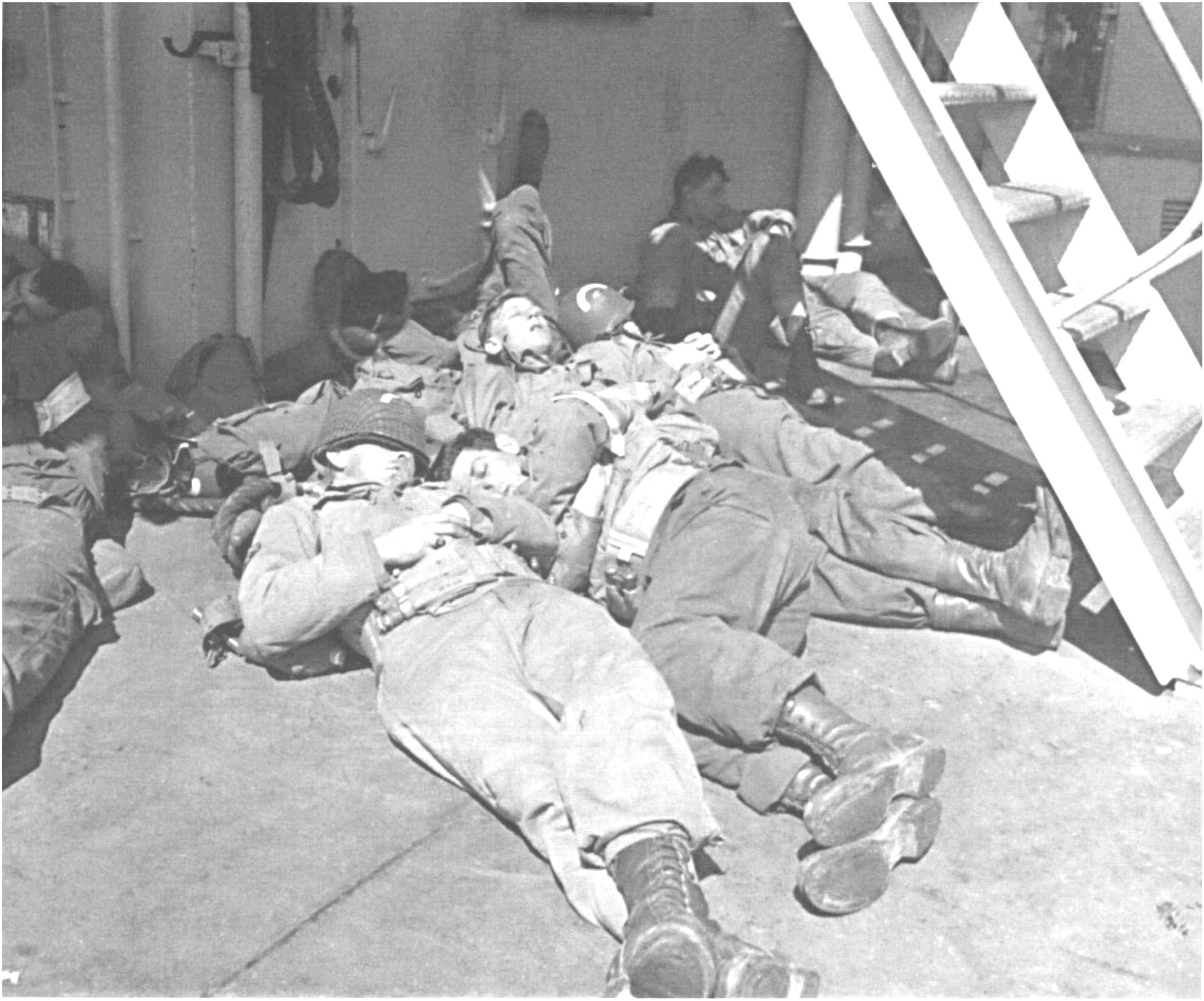
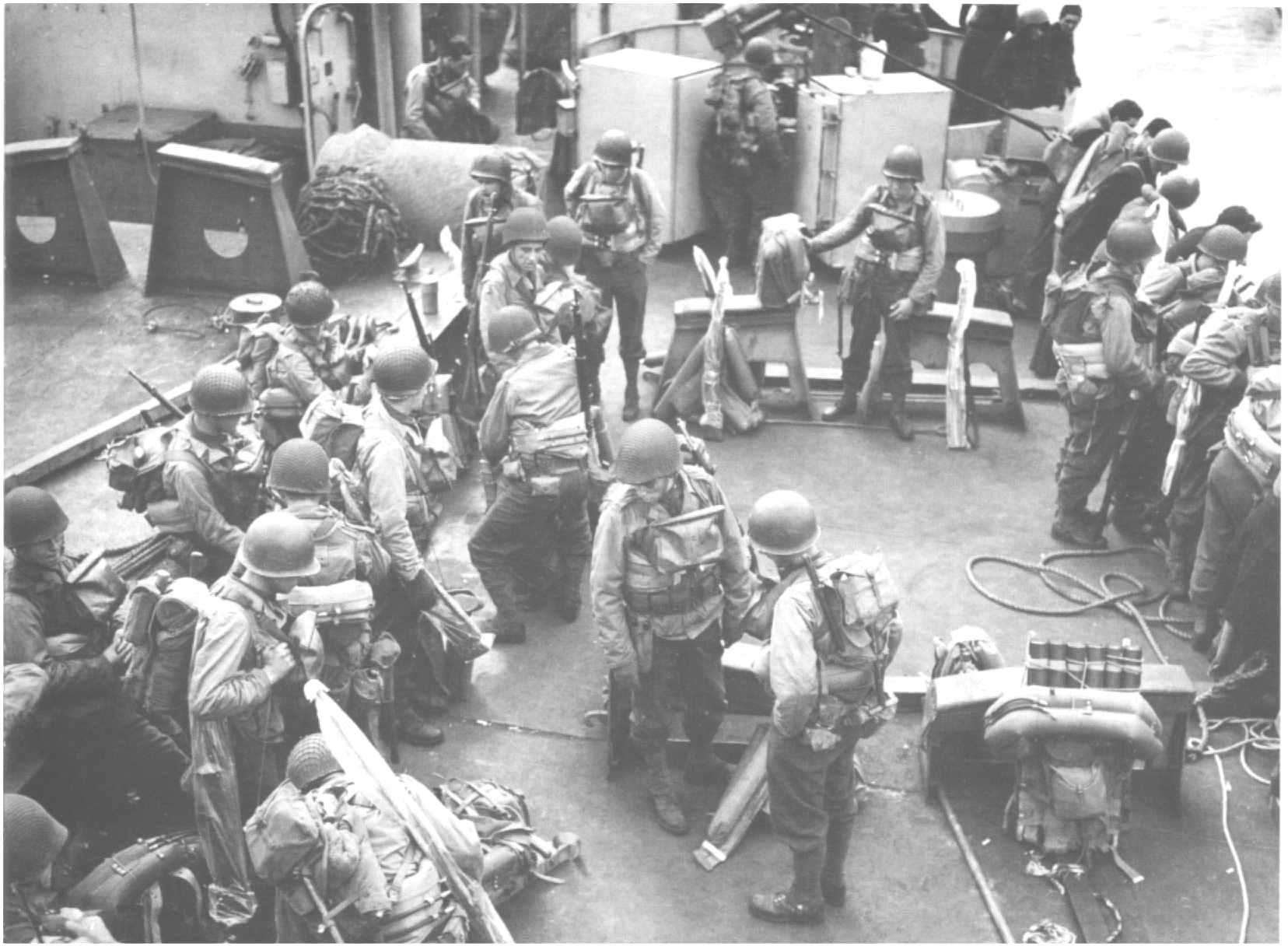
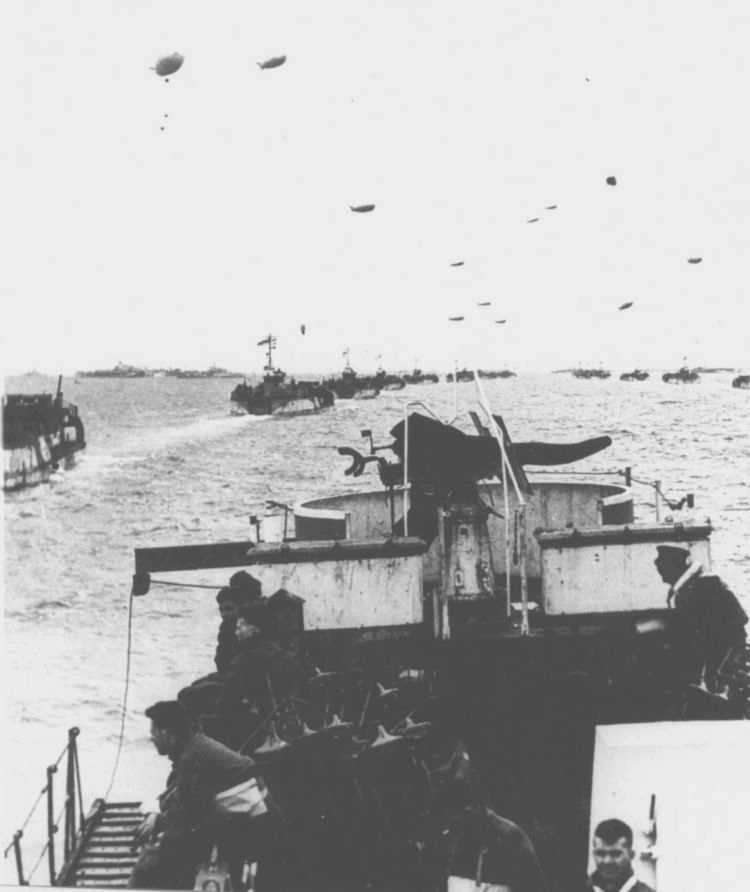
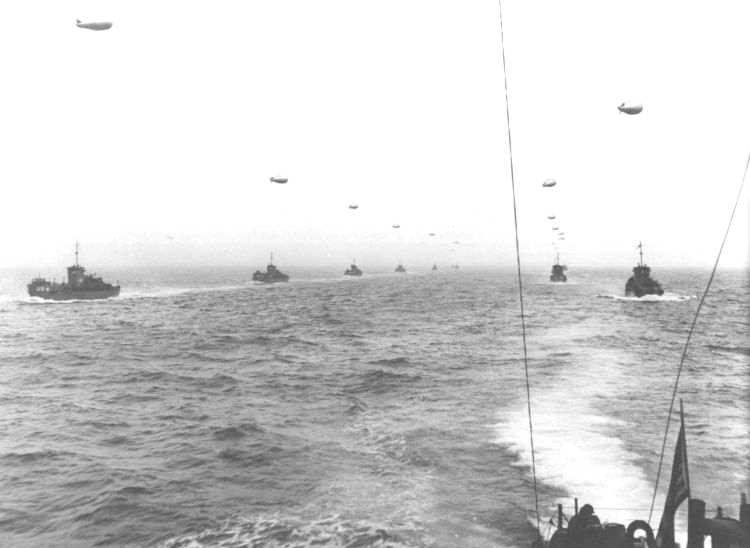
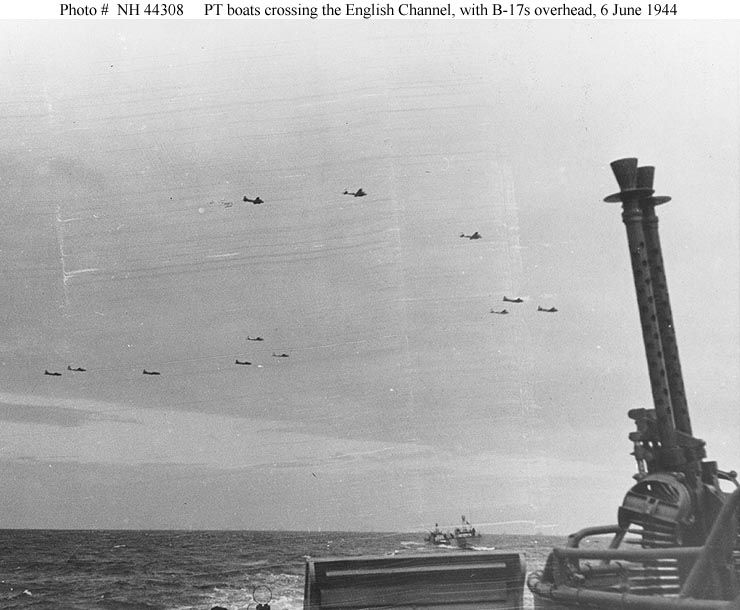
The main convoy of Force O (which was to attack Omaha Beach) left Portland on the afternoon of 5 June; the 160 km of the Channel crossing to the assault zone was without problems. The operation took place without the naval or aerial intervention of the Germans and it does not appear to have been detected by out-of-service coastal radars (notably the major radars of the Kriegsmarine in Englesqueville-la-Percée).
Continued air protection covered lines of ships and Allied attack beaches. The attack beach areas were to be continuously covered by the fighters, with the 9° US Air Force detaching high-altitude protection groups with the mission of maintaining three squadrons over the beaches all day long. Low-altitude coverage was the responsibility of the British.


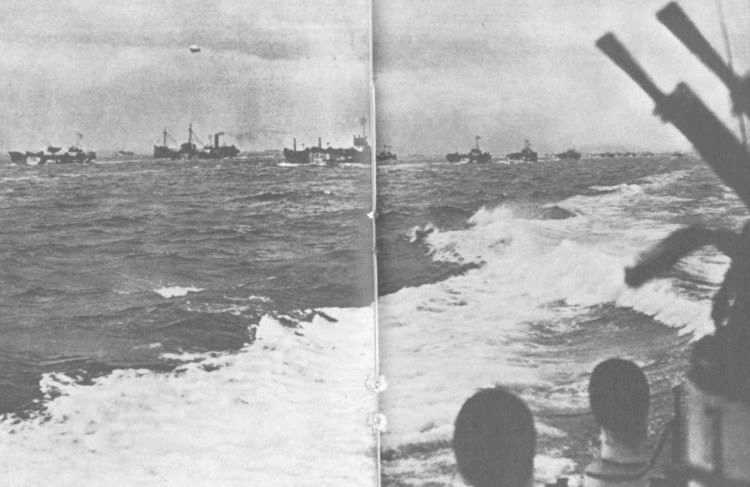

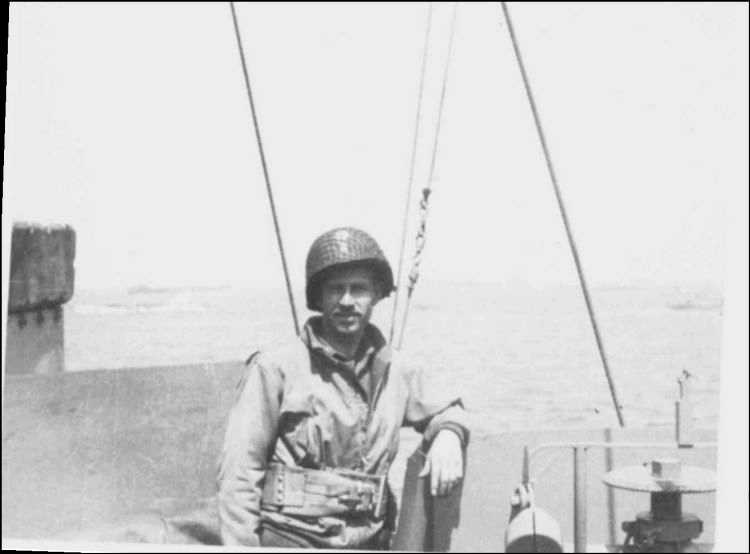


The West Task Force mine dredgers have made it possible to move convoys to the beaches without loss of mines.
The LSH (Landing Ship Headquarter) "USS Ancon", headquarters of Admiral Hall (Force O) and General Gerow (Vth Corps), wet its anchor at 0251 on June 6 in the anchorage area, 11 nautical miles off Omaha Beach. Smoke screens had been placed to hide this zon as much as possible. They quickly dissipated with the wind.
The berthing of the cargo ships was only brought close on the evening of June 6, from 6 p.m., on the 10m bottom line, 2 or 3 miles from the beach.
See memories of Michel Hardelay (page 2321) and family Colibeuf (page 2322) , Piprel (page 2323) and De Loýs(page 2324) on the night and dawn of June 6.