The harbour and supplies

Reference 85113
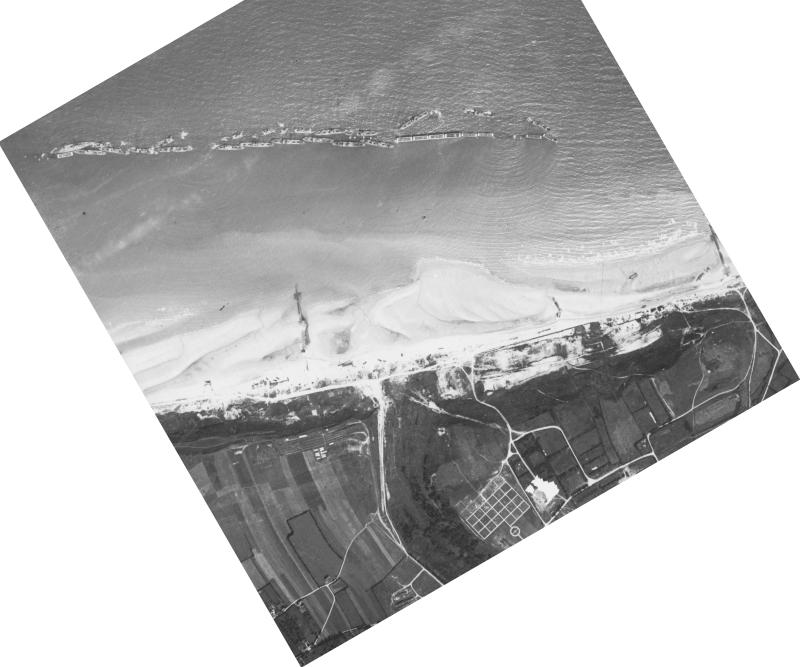
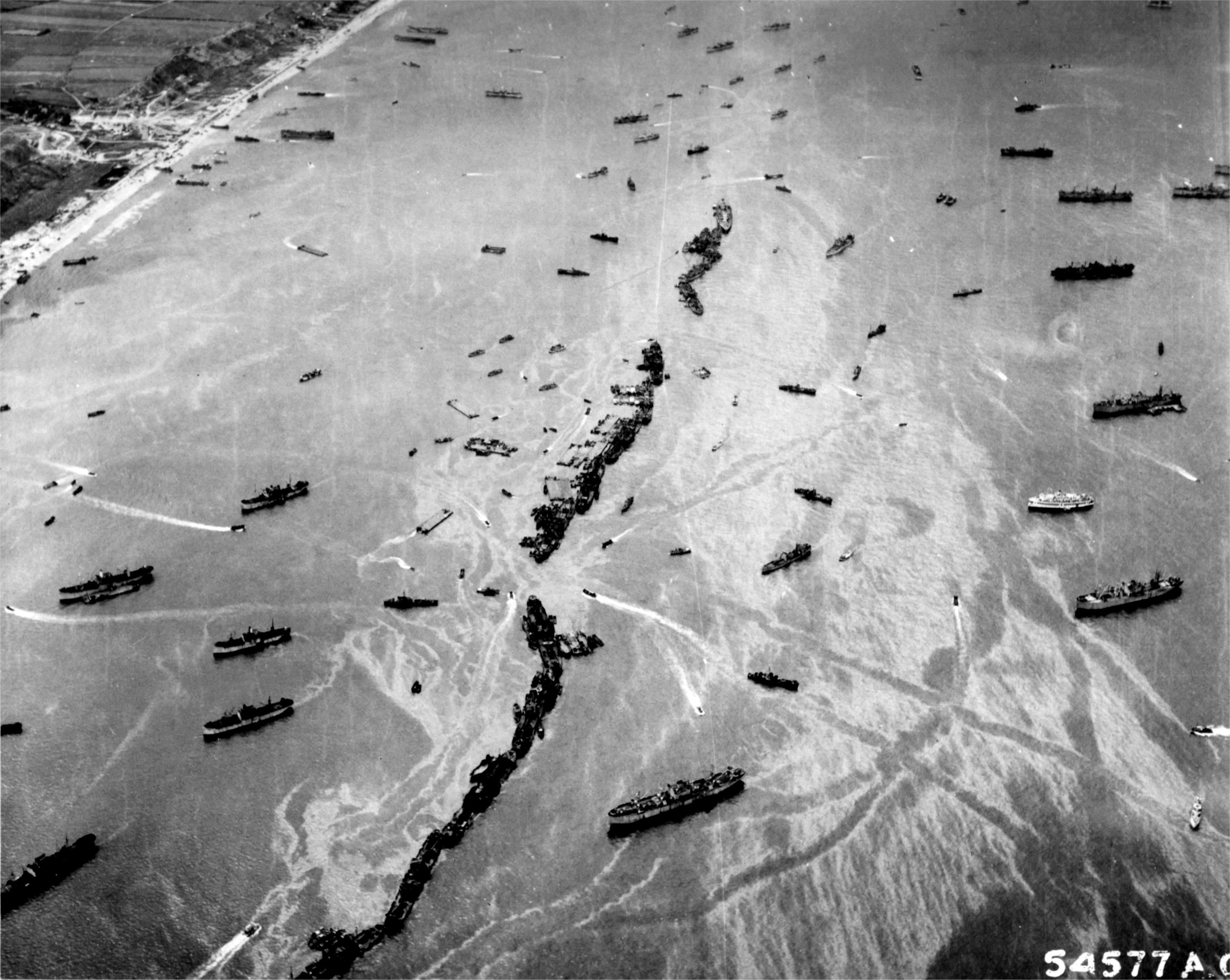
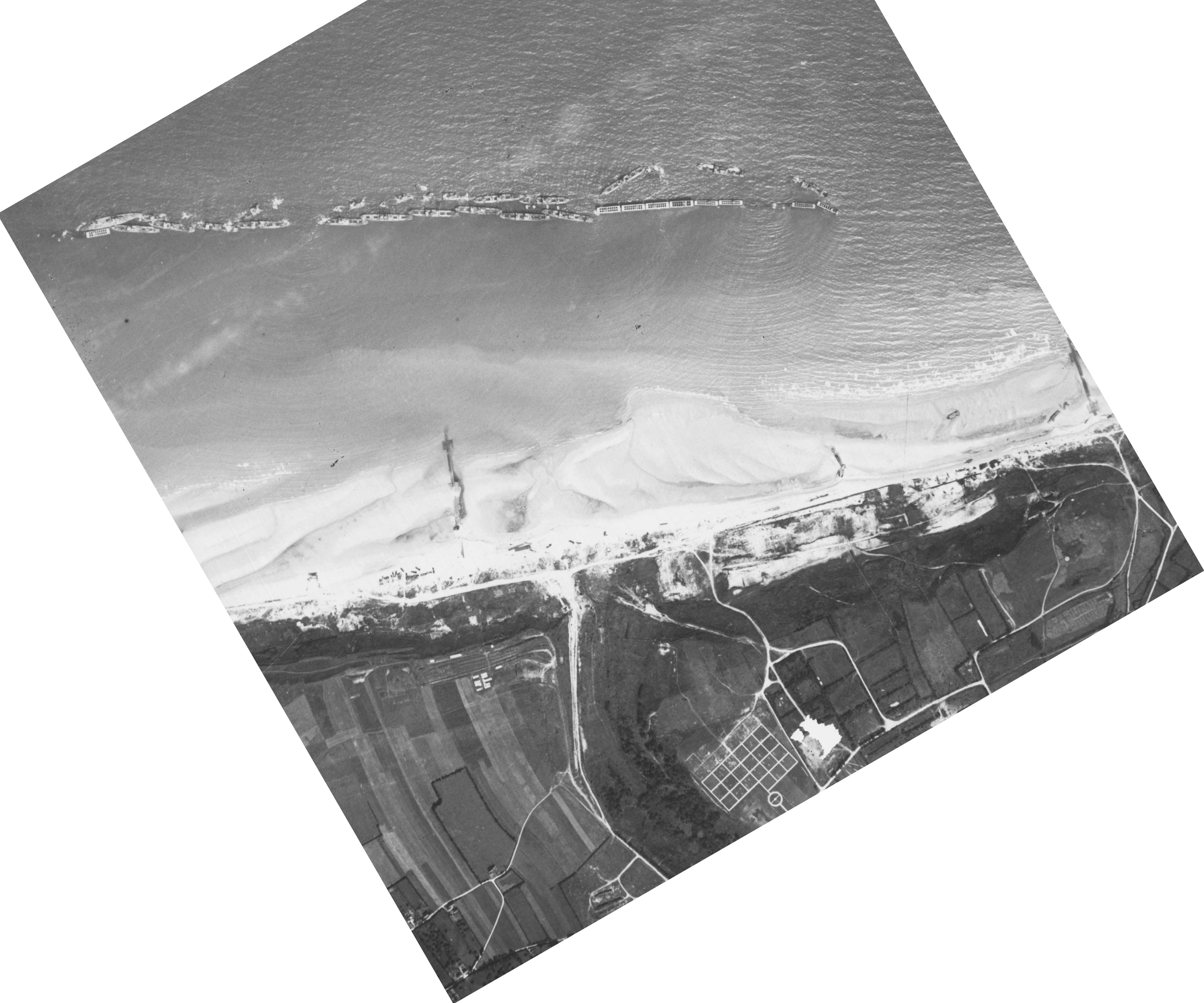
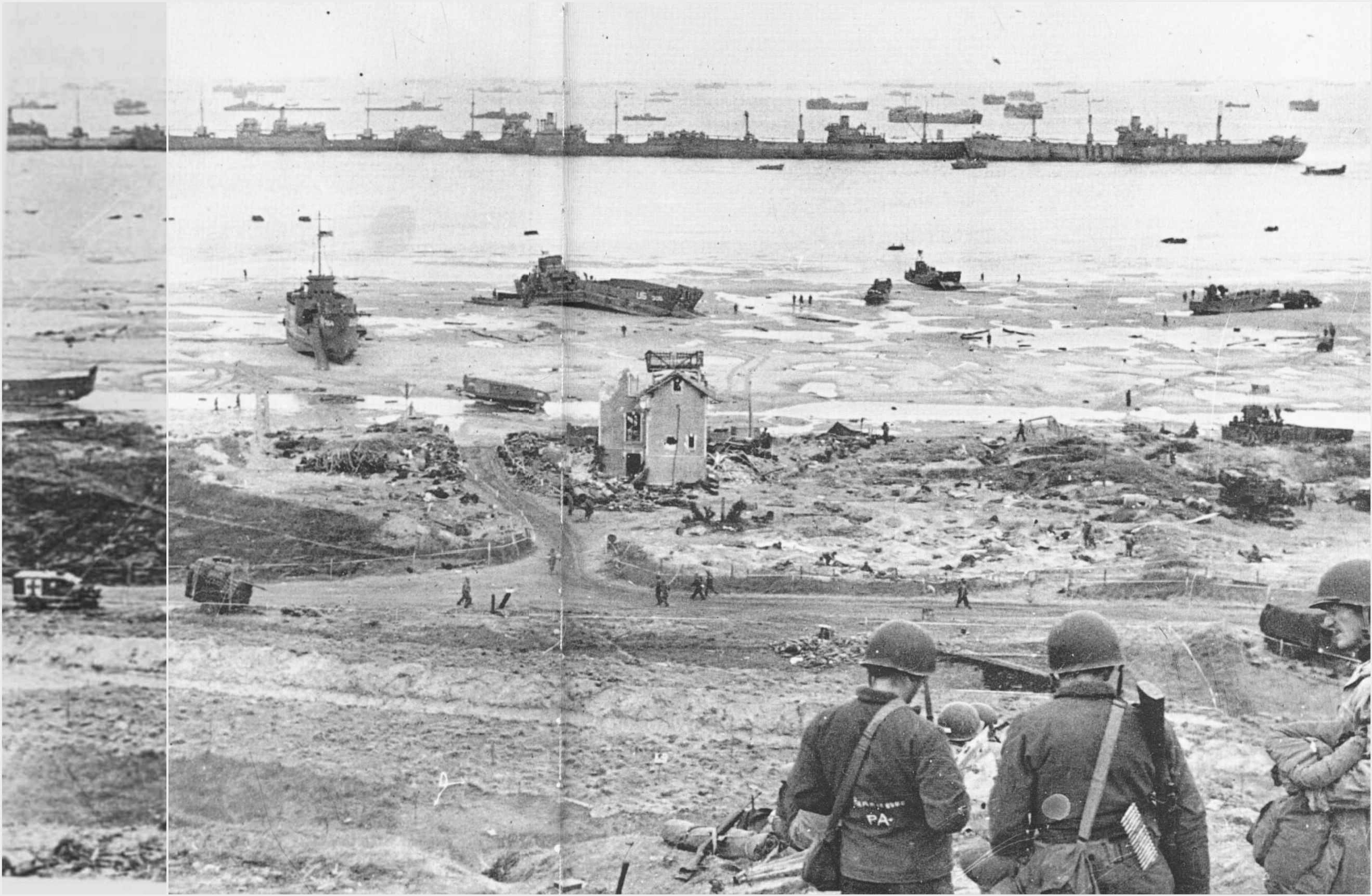
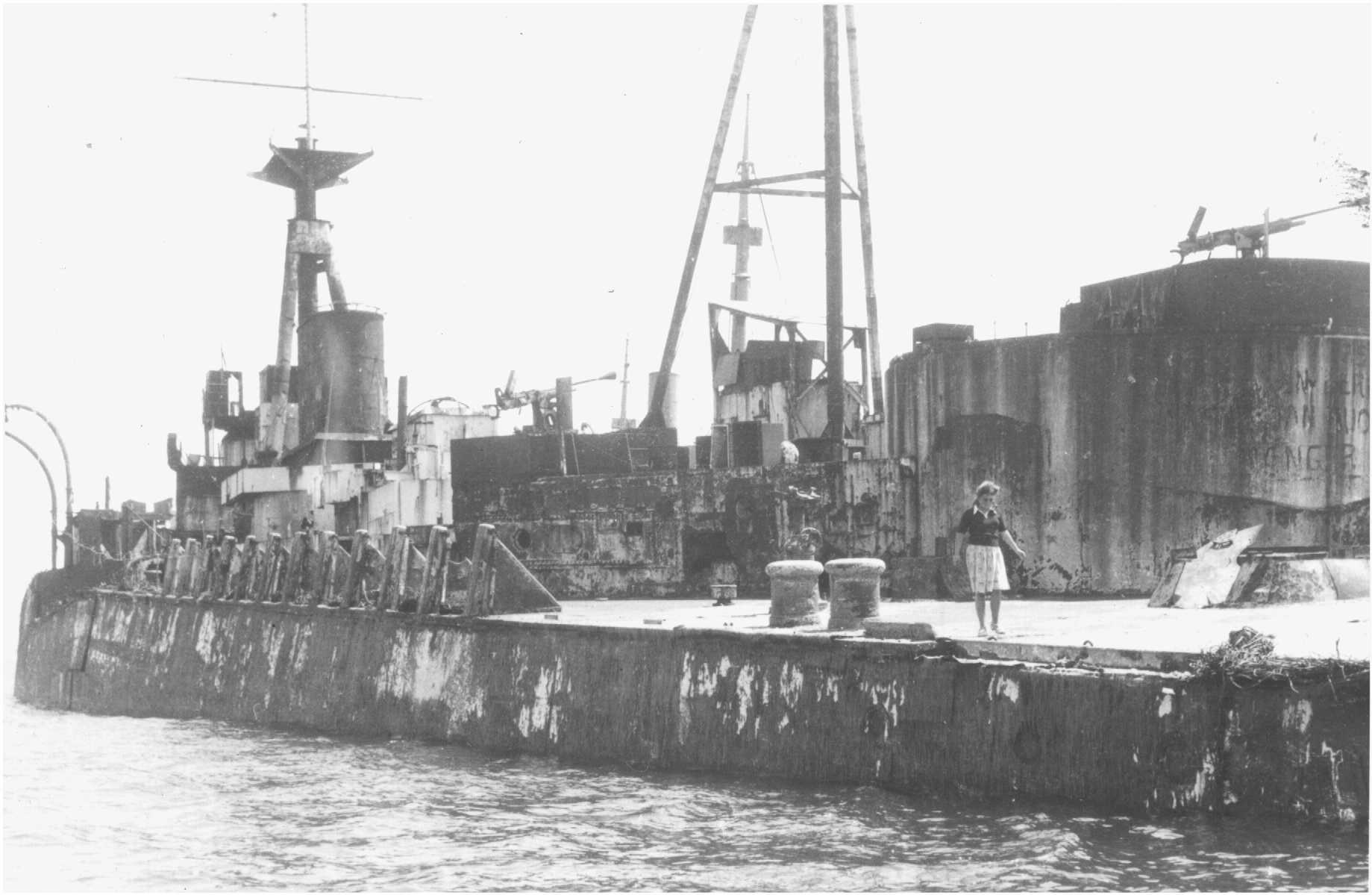
(see details) 1947 - The dike "Gooseberry is in the whole picture, we also see the second "causeway" in front of Colleville on the right — Yves Cordelle Collection, reference 85113.

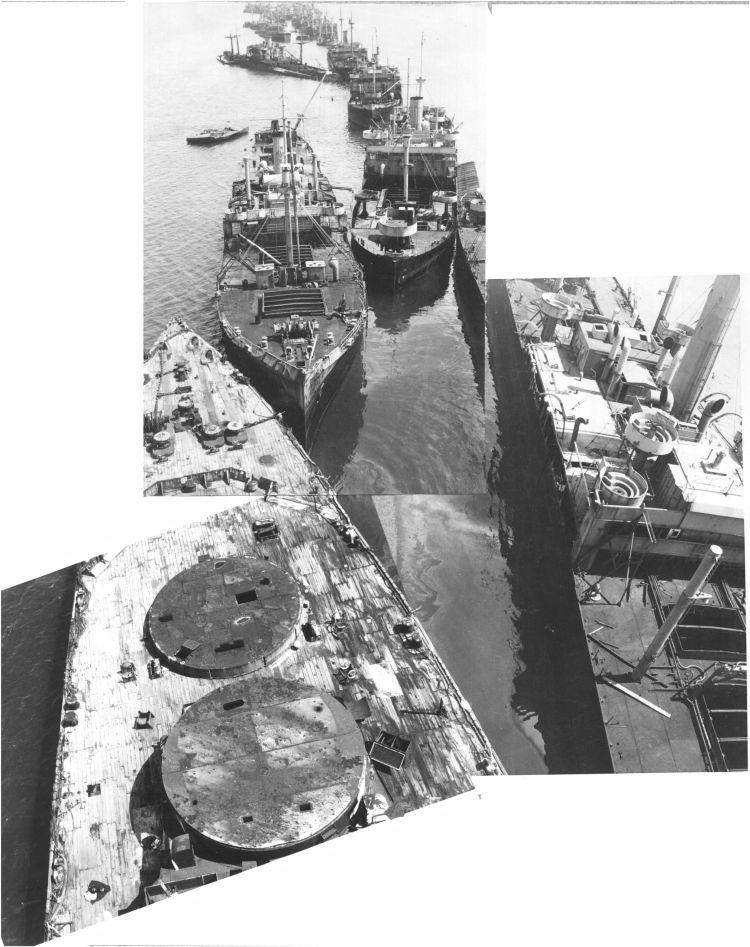
Installing the Corncob blockship breakwater

Reference 113

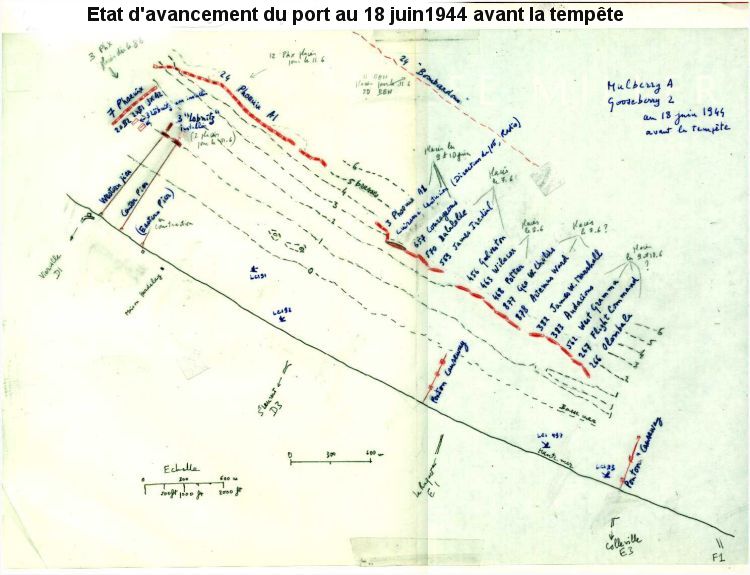
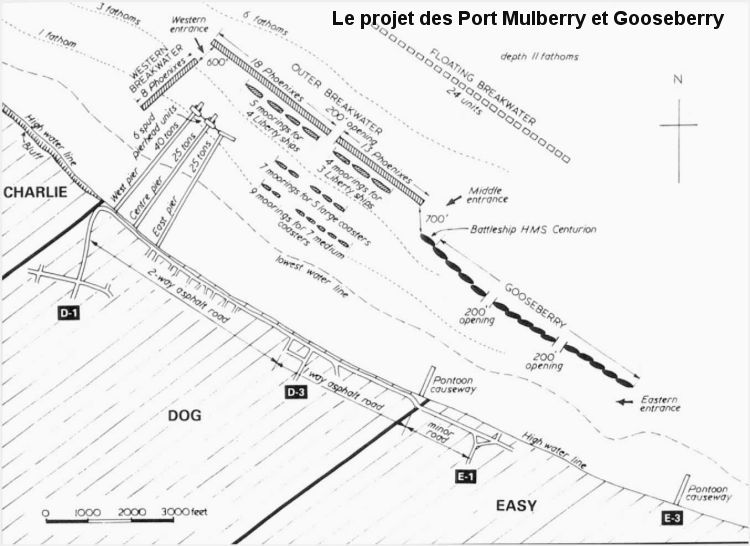
This plan of 13 May 44 represents the project of the port of Omaha Beach and in particular the line of 14 blockships planned in front of Saint-Laurent and Colleville.
This May 13, 44 plan represents the Omaha Beach harbour project, including the 14 blockships planned ahead of Saint-Laurent and Colleville.
Their implementation has been phased in from 7 to 10 June.

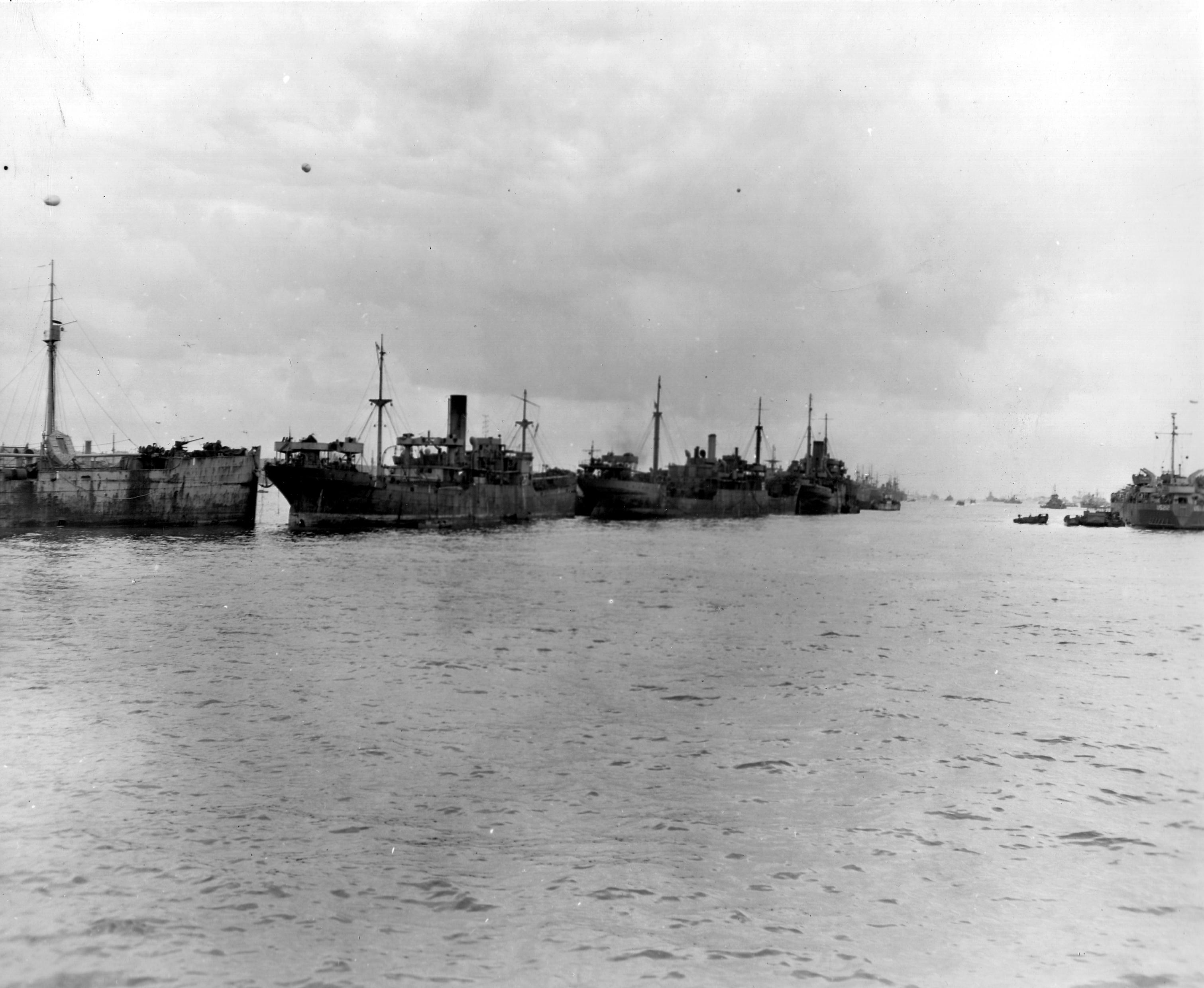
On 7 June, were placed 3, 4 and 5th of the line, named:

570 Baialoid (Panama, cargo ship 6476t, 1914)
559 (or 577 or 565??) James Iredel (USA, 7177t freedom ship of 1942)
456 Galveston (USA, 6173t 1921 cargo, placed on June 8??)

On 8 June the 6, 7, 7, 9, and 10th were placed, appointed:

463 Wilscox (US, 5861t cargo from 1919)
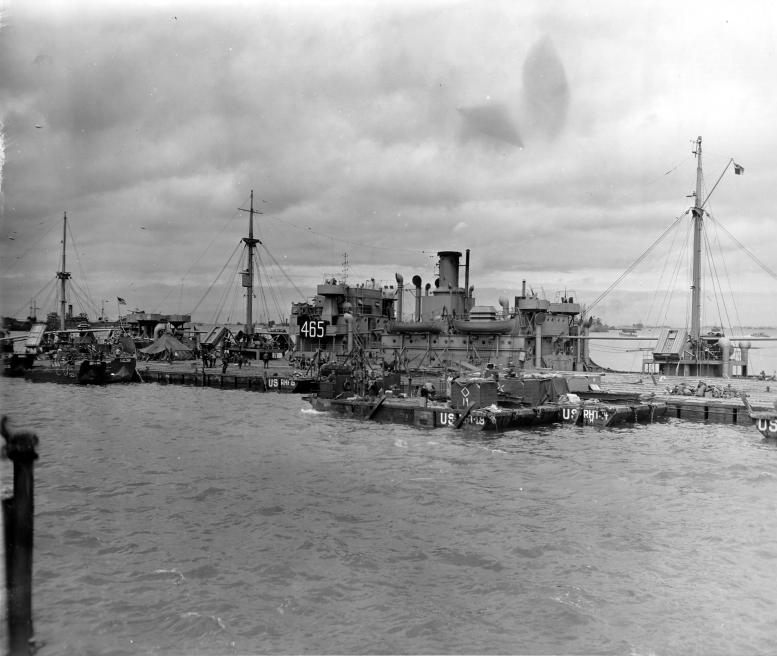
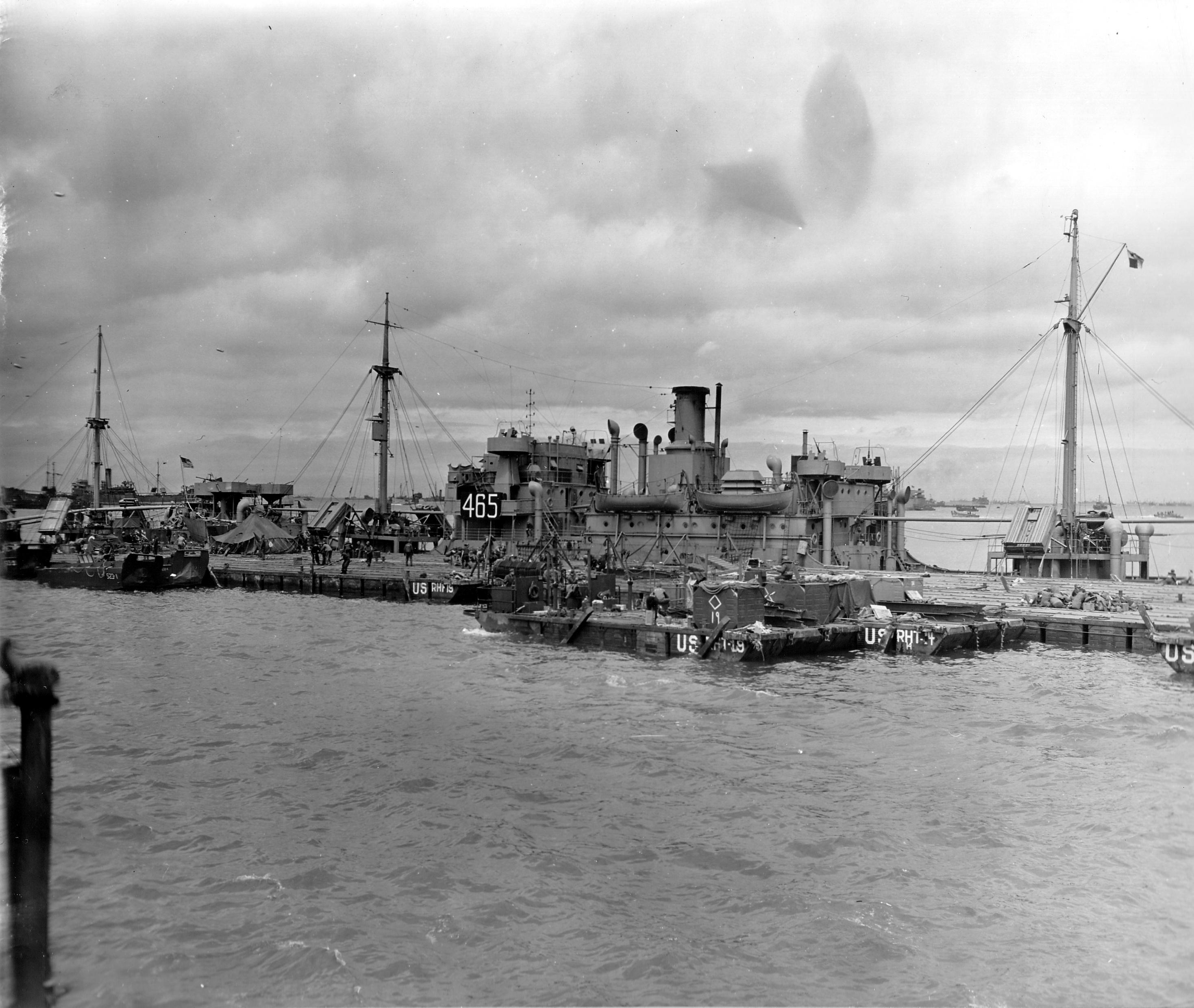
465 (or 462 or 468??) Potter (Panama, 6174t cargo from 1920)
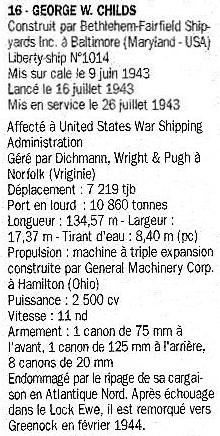
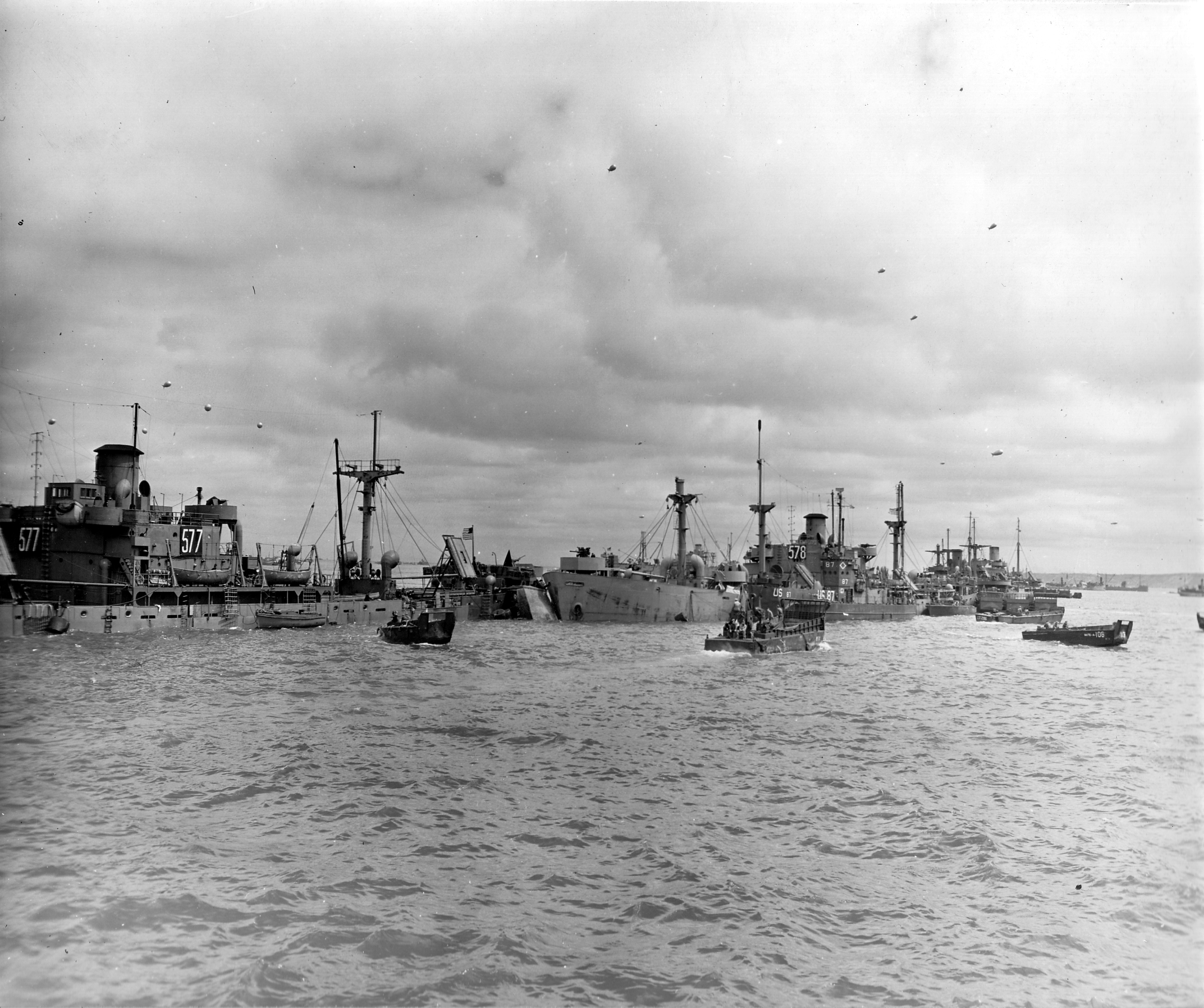
577 George W. Children (USA, 7176t freedom ship of 1943)
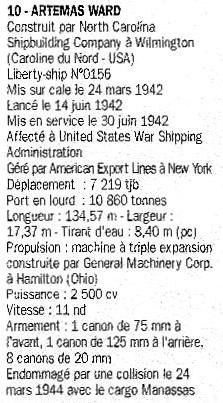
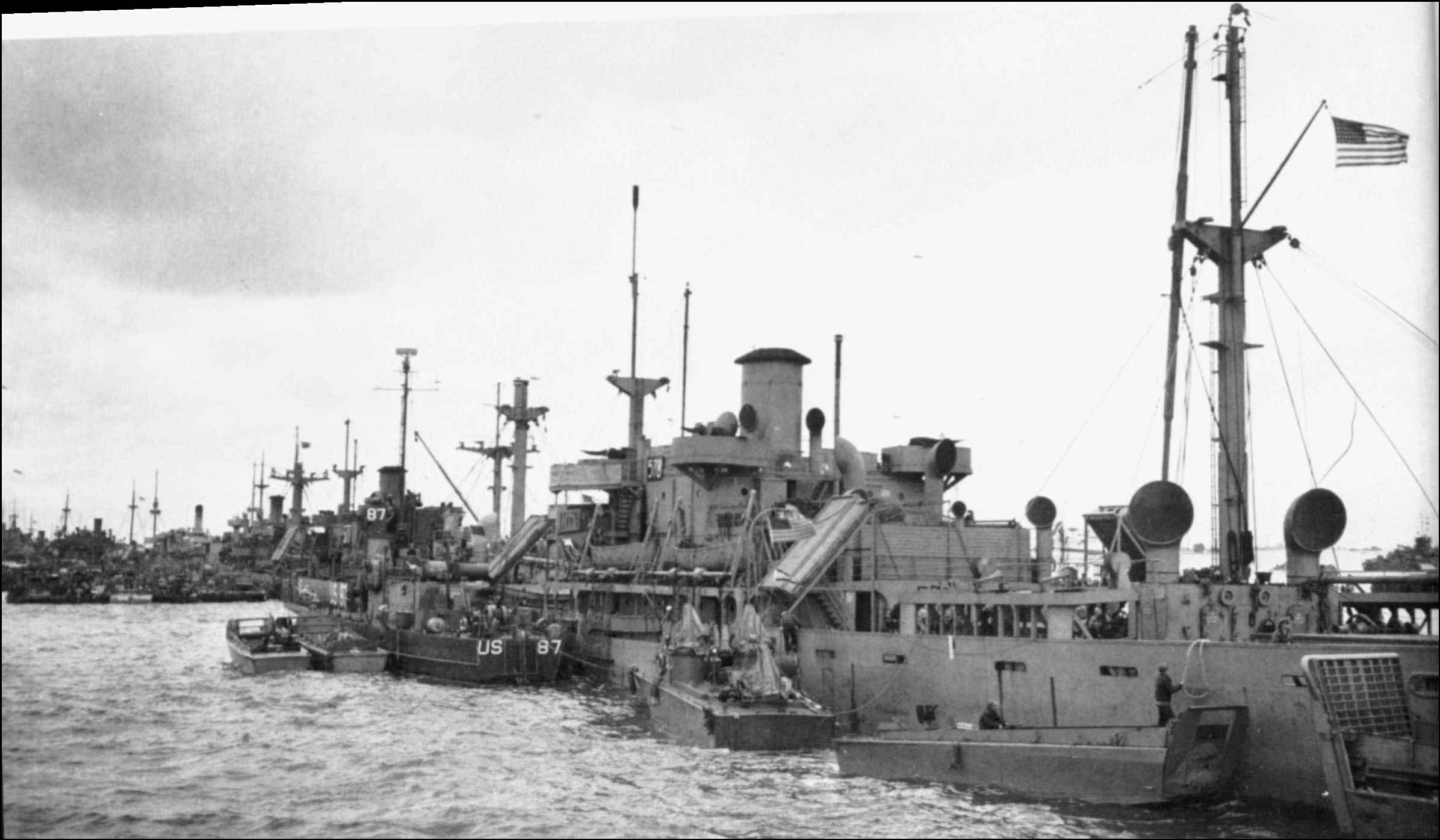
578 Artemus Ward (USA, 7177t freedom ship of 1942)
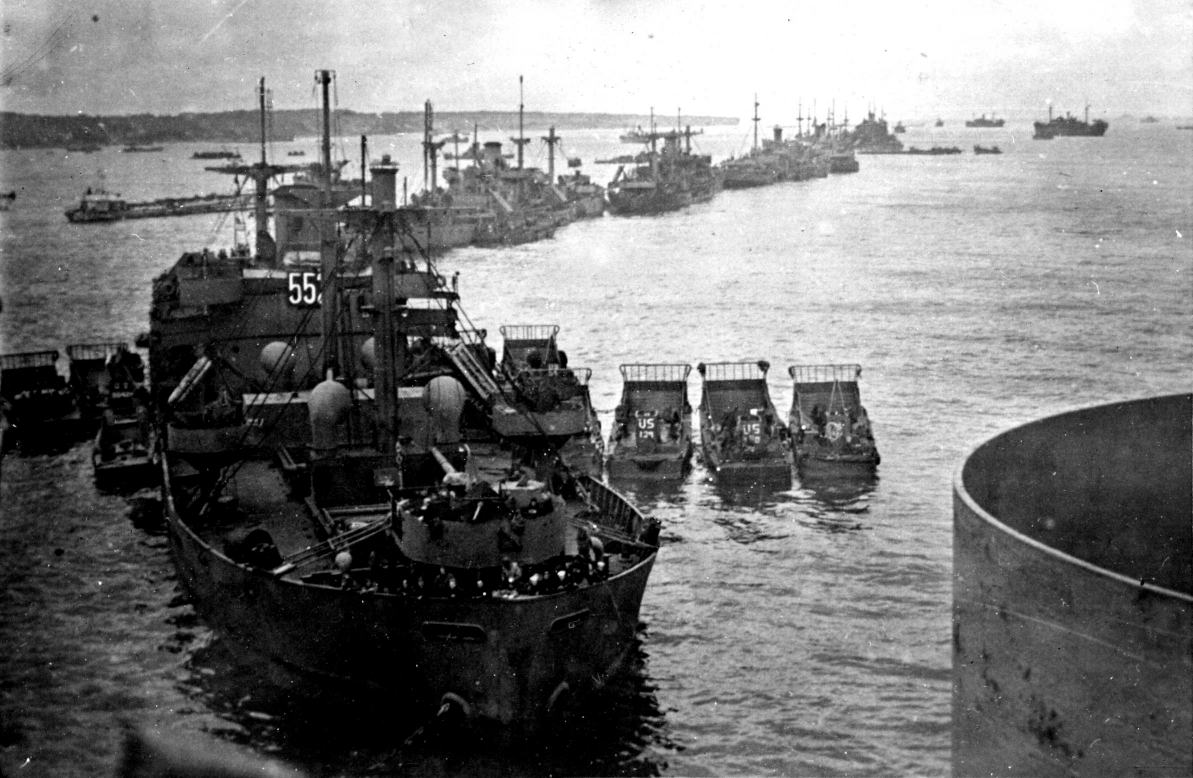
552 James W. Marshall (USA, 7176t freedom ship of 1942)

On 9 and 10 June were placed the 1st, 2, 11, 12, 13 and 14th, named:

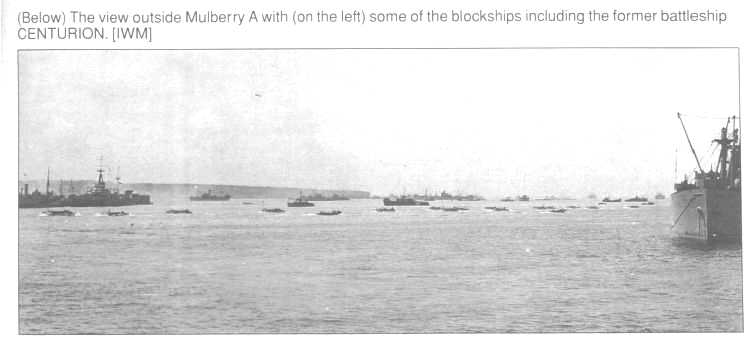
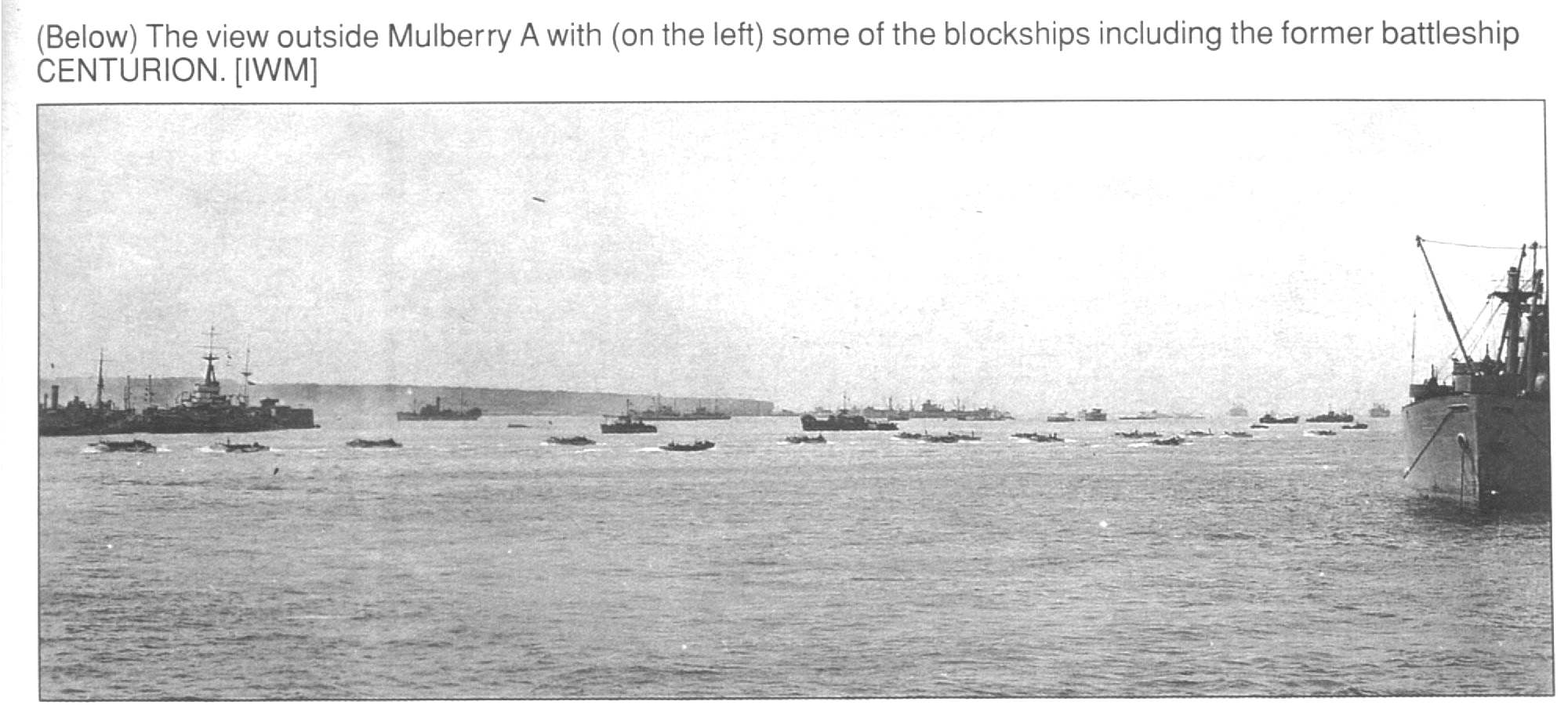
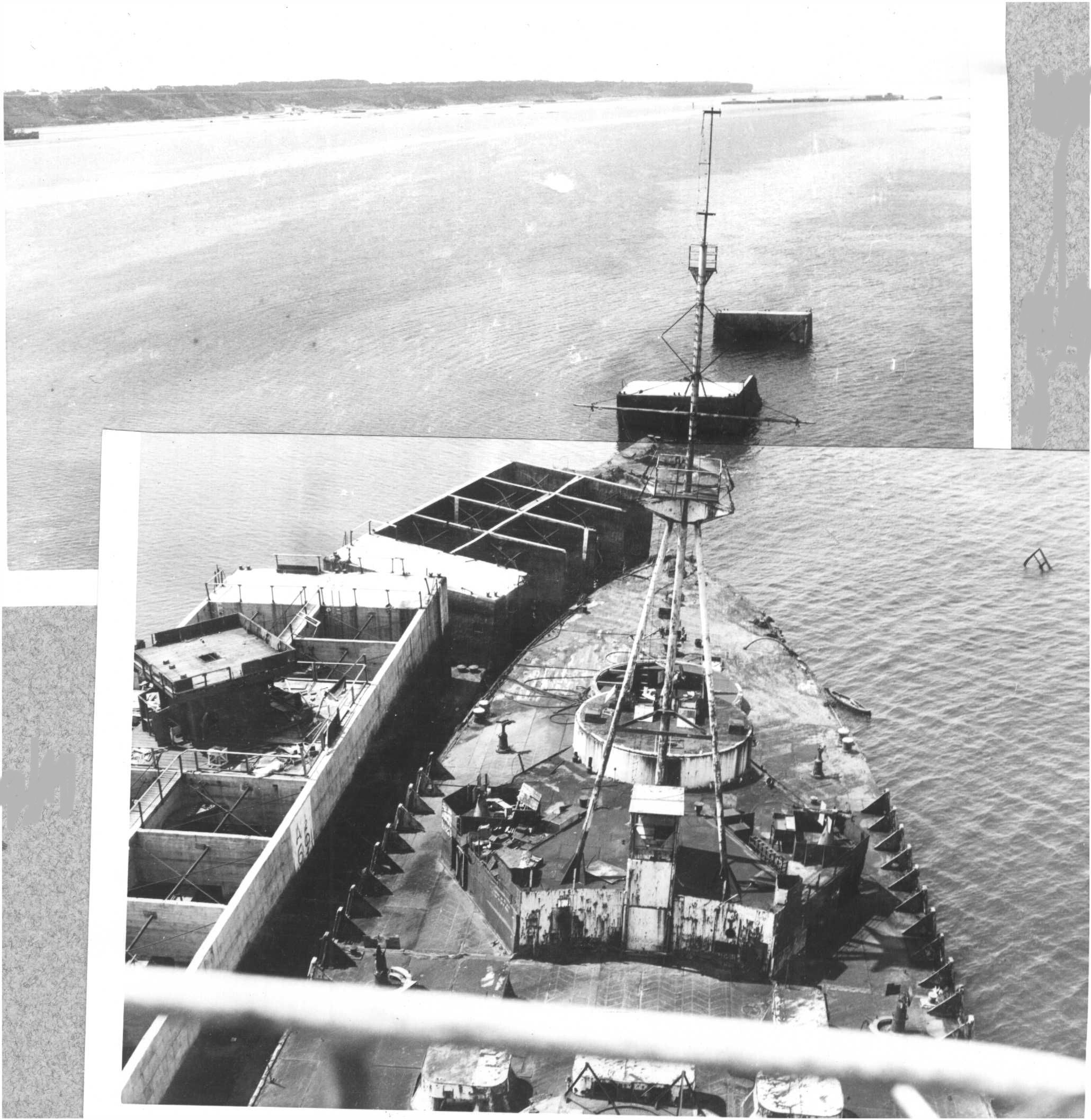
"Centurion" (Royal Nay) (placed 9 June, an English battleship of 1912, having participated in the Battle of Jutland in 1916, see historical below)

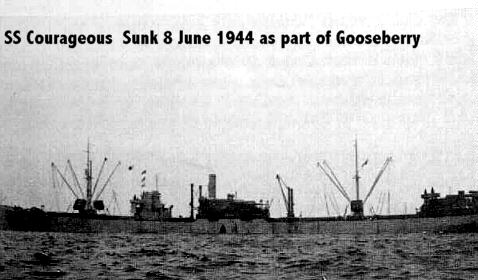
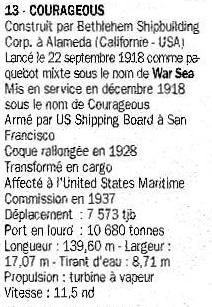
657 "Courageous" (USA, 197573t cargo ship of 1918, placed on June 8??)
555 (or 383?) Audacious (Panama, 7455t cargo of 1913) refloated before summer 47
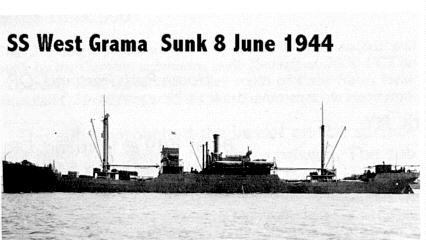
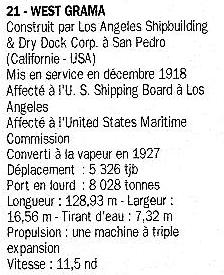
362 (or 562?) "West Grama" (Panamean, 5326t cargo ship of 1918, placed on June 8??)
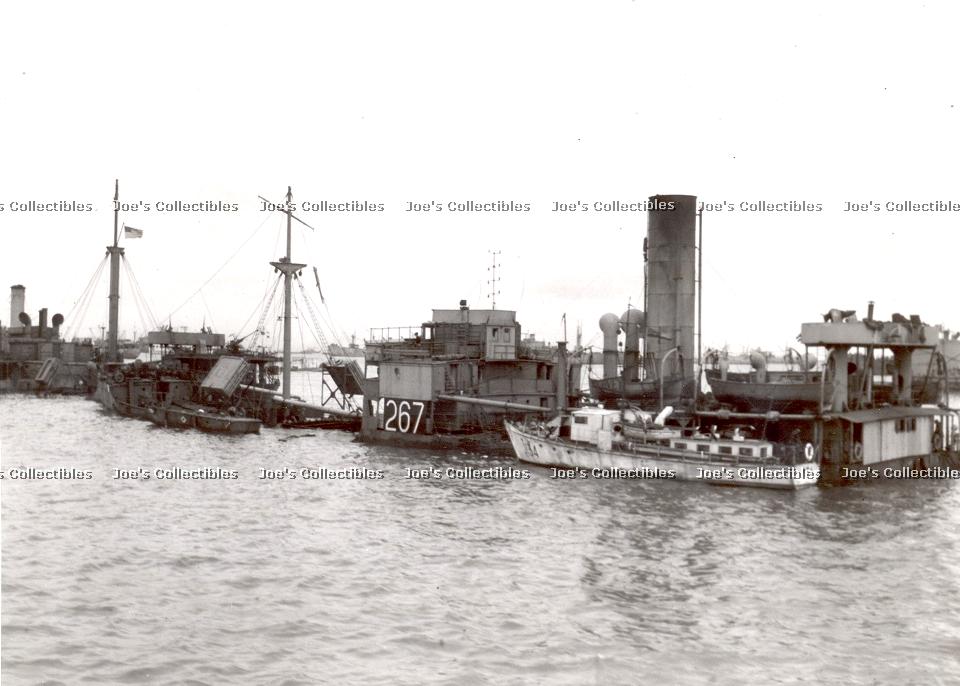
267 Flight Command (USA, 4341t cargo of 1911) refloated or rather dismantled by storms on site before summer 47
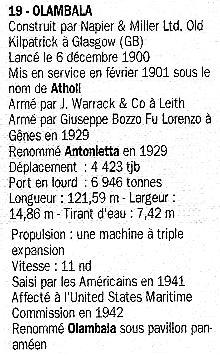
266 "Olambala" (Panamean, 4815t cargo of 1901)

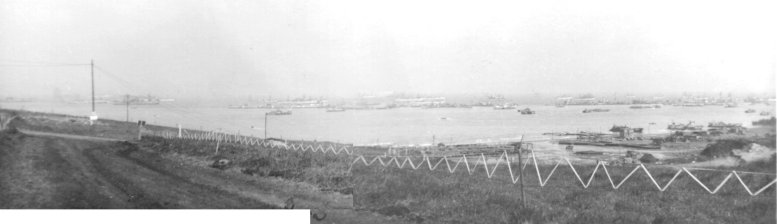
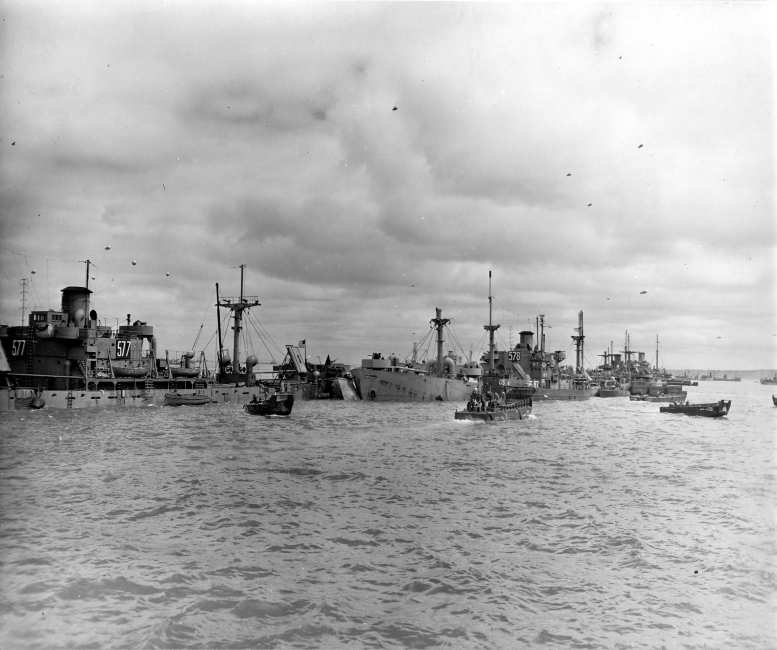
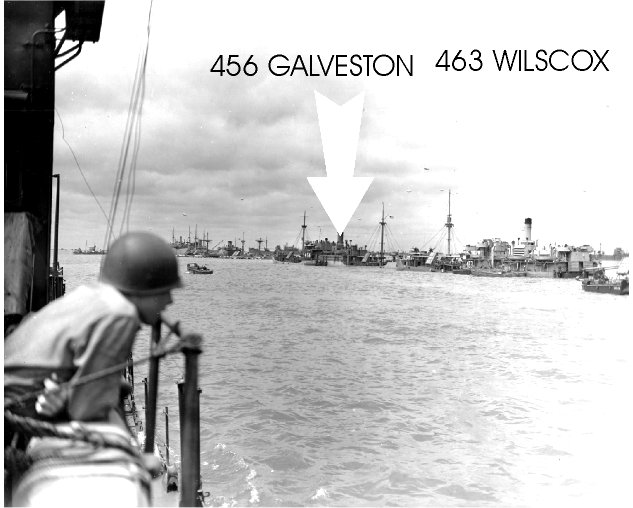
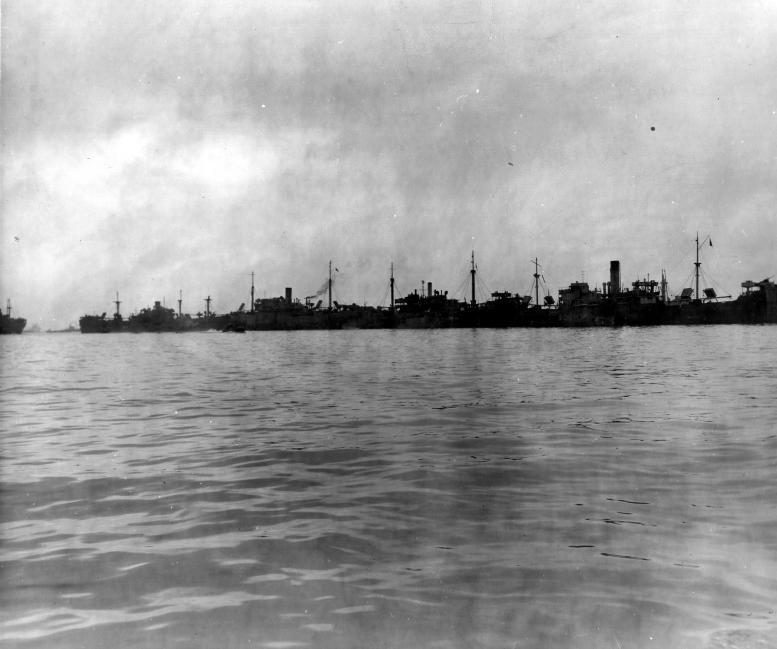
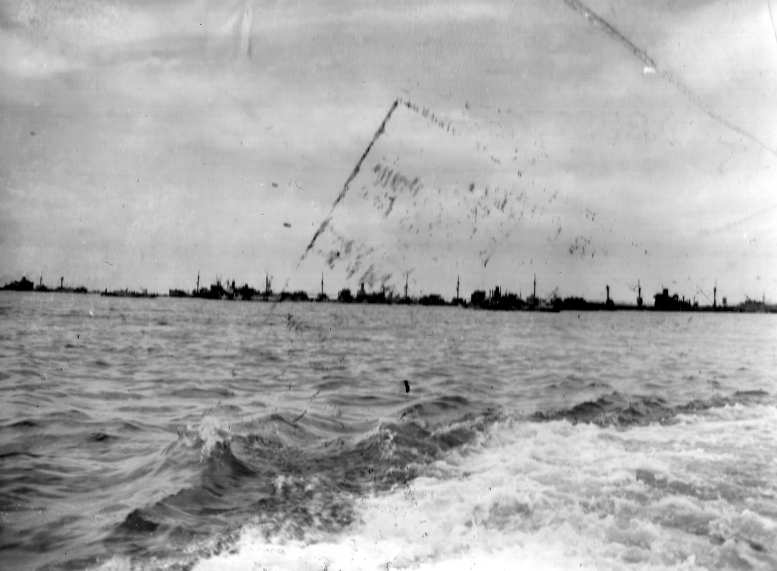
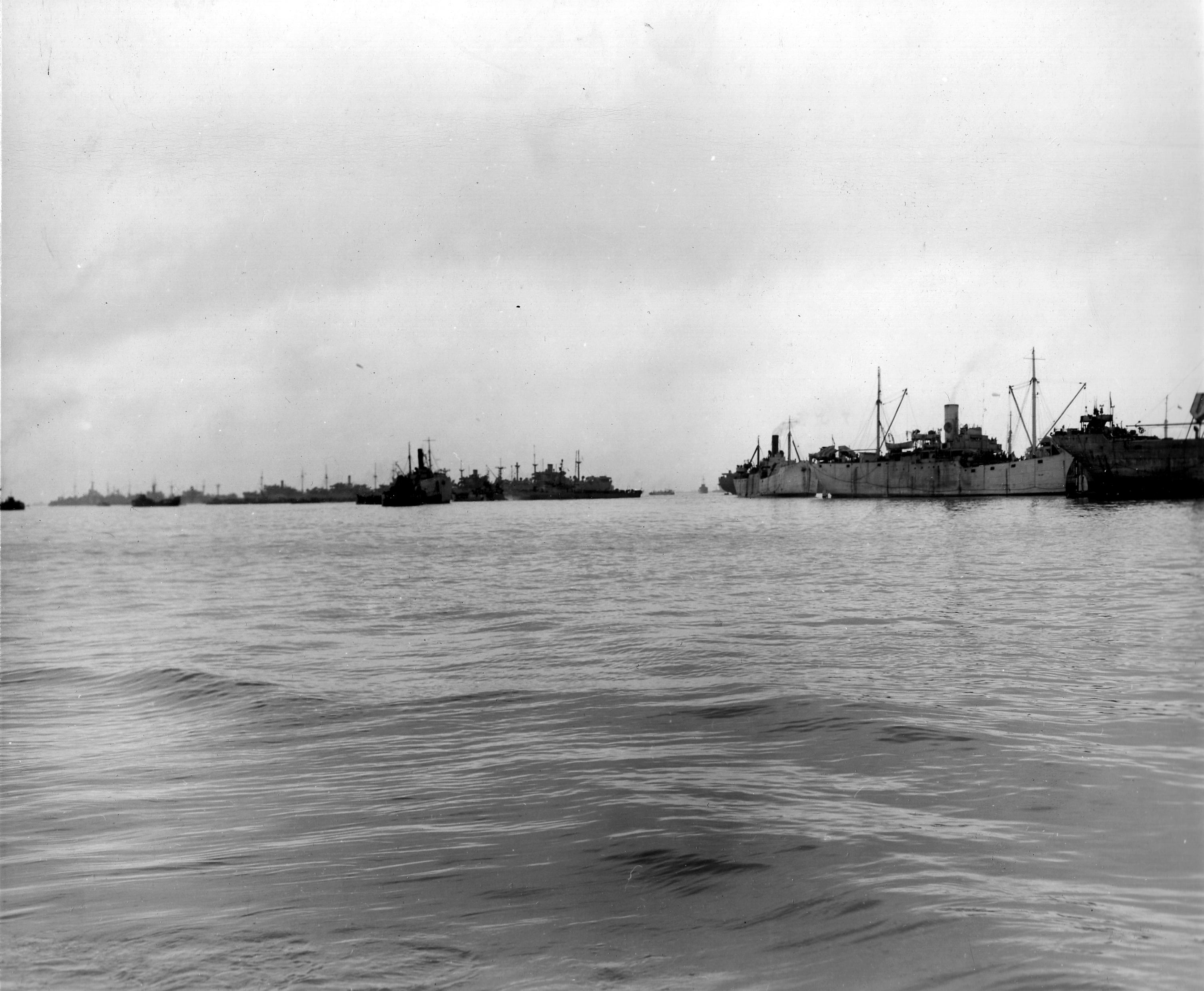
(details) The Gooseberry on June 8, at the mid-day, from g to d, the 570, 565, (the pass), 456, 463, 465, and at the bottom, pending placement, the 577
(details) The Gooseberry on June 8, midday, from g to d, the 570, 565, (the pass), 456, 463, 465, and at the bottom, waiting for placement, the 577
(see details) 1947 - The dike "Gooseberry is in the whole picture, we also see the second "causeway" in front of Colleville on the right.

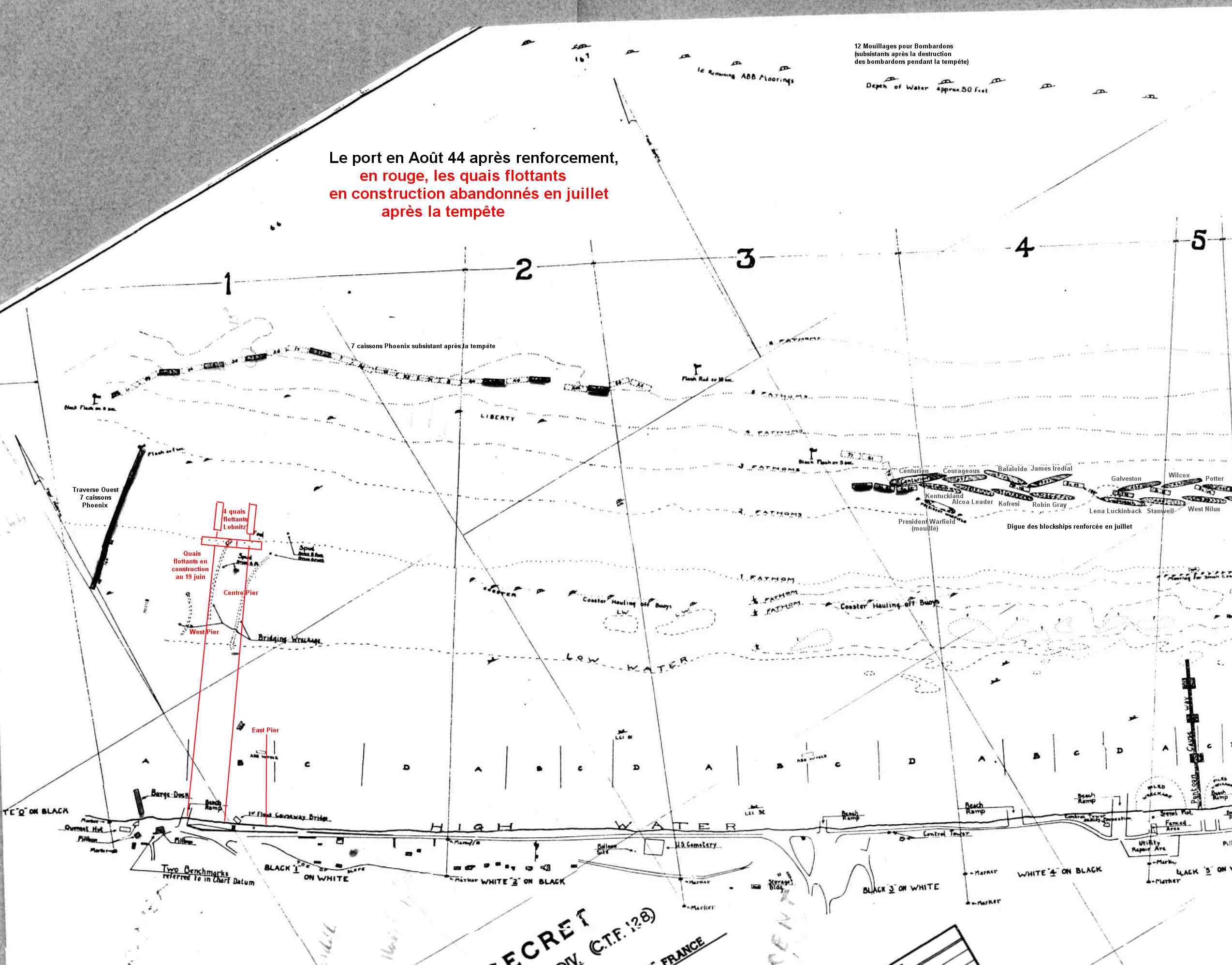
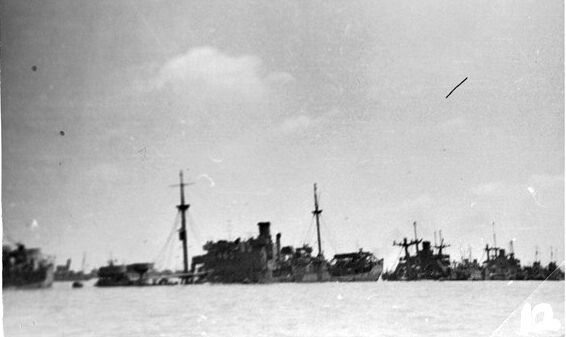
After the storm, the dam was reinforced by 10 additional blockships and 18 new Phoenixs originally destined for the abandoned Mulberry harbour.

The following diagram shows the additions after 22 June:
The following diagram shows the additions after 22 June: These scuttled cargoes had the following names:
These scuttled cargo ships had the following names:

439 Maycrest placed on 1 August
485 Illinoian on 28 July
384 Exford placed on 26 July (or August ??), bailed out in 1951 and lost by grounding on the Phoenix on 1/12/51
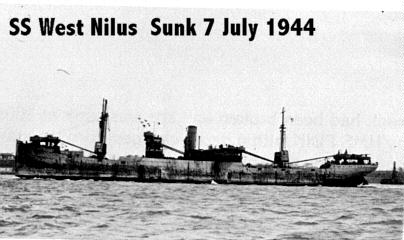
486 West Niles placed on 16 July
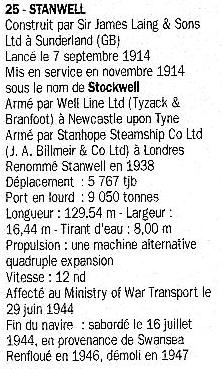
440 Stanwell placed on July 16, bailed in 1946??(he is in the August 47 photo), demolished in 47?
(without N°) Lena Luckenbach placed on 4 August
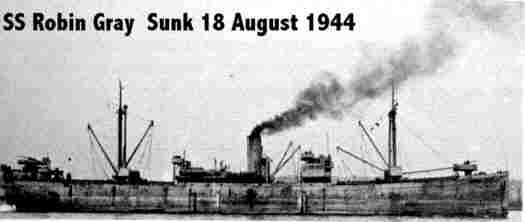
381 Robin Gray placed on 18 August
383 (or 570??) Kofresi 14 July
382 Alcoa Leader placed on July 13 (or August??)
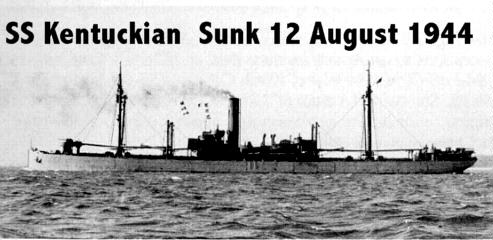
(without N°) Kentucklan placed on July 12 (or August??)
Sahale?? Very uncertain, would have been placed on July 24 or August, but where?

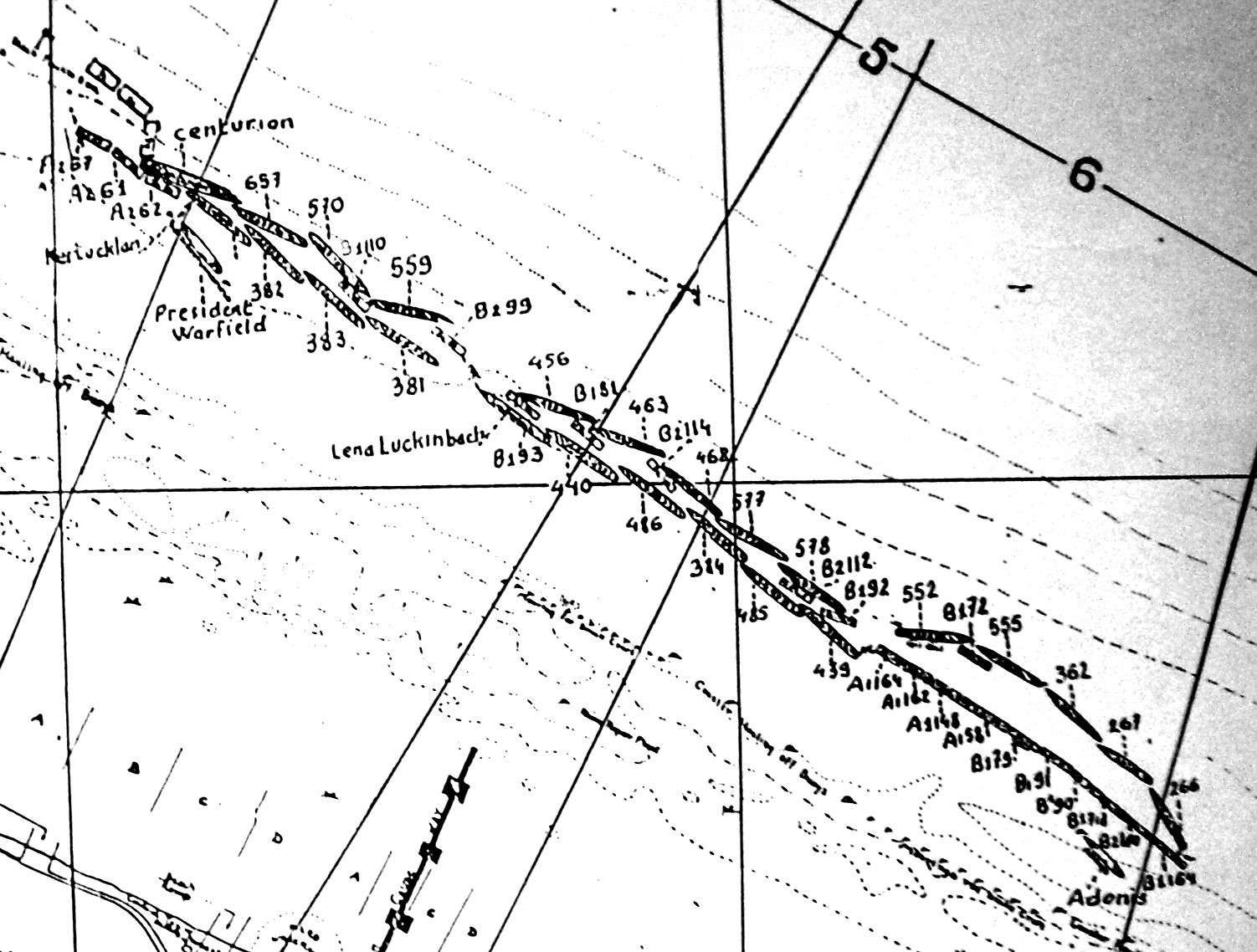
The port then took the final form, as indicated below:

The port then took the final form, as indicated below: (details) Detailed plans of the port rearranged after the storm, with the names of each block ship
(details) Detailed plans of the harbour redeveloped after the storm, with the names of each of the sunken blockships, and the locations of the remaining Phoenix pontoons and those that have been dismantled
The port then took the final form, as indicated below: (details) Detailed plans of the port rearranged after the storm, with the names of each block ship
(detail)
Details The Gooseberry with blockship numbers and Phoenix
Details Gooseberry with blockship numbers and Phoenix
(see details) 1947 - We see the beginning of the "Gooseberry" dike with the "Centurion" battleship, and also the "causeway" near the Ruquet.
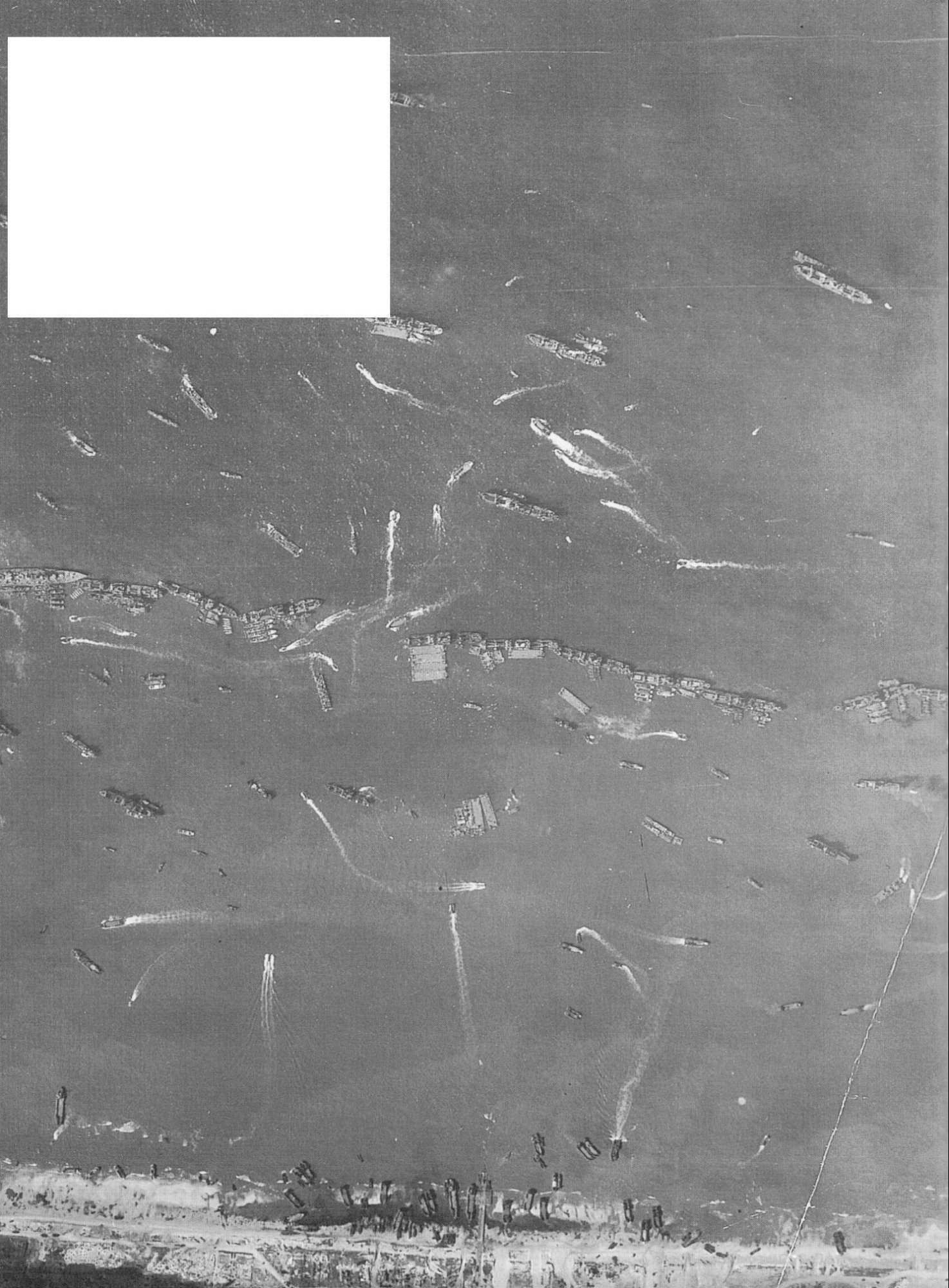
Gooseberry Dyke 2 before the storm, about June 11
Collection document: Installing the Corncob blockship breakwater
Gooseberry dam in the fall of 1949 (see details) (YC)
(details) Gooseberry dyke around June 15 (Western part)
(details) Gooseberry Dike around 15 June (Western part)
(details) Gooseberry dyke around June 15 (Eastern part)
(details) Gooseberry Dike around 15 June (Eastern part)
(details)
(details)
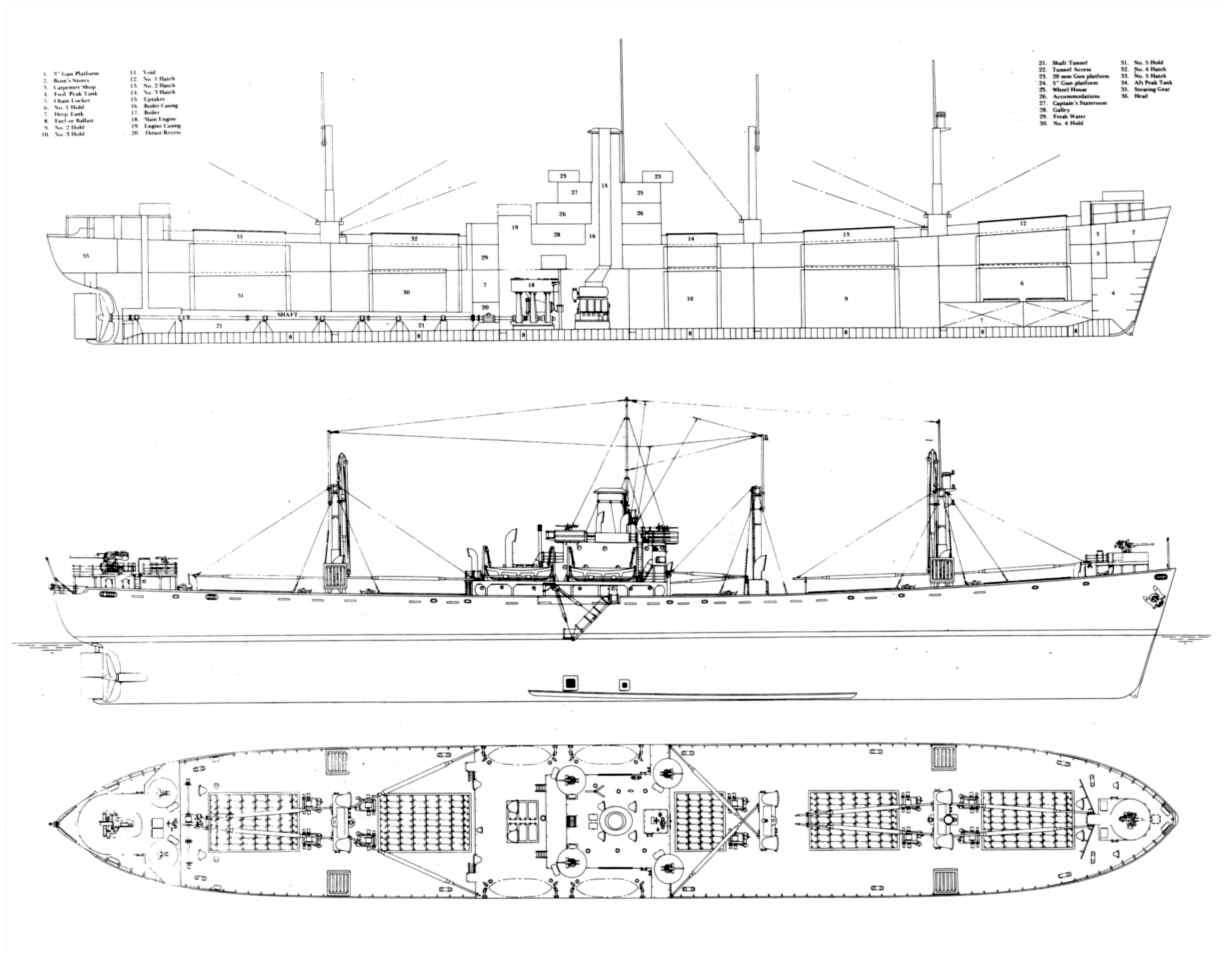
(details) Liberty ship plan
(details) Plan for a Liberty ship
(details)
(details)
14 June
14 June
(details)
(details)
(details)
(details)
(details)
(details)
The Gooseberry around June 12 (West part), one distinguishes well the Centurion and all the unloading activity
(details) Around 8 or 9 June, the "Centurion" is not yet in place, but its three neighbours are there. There are no apparent traces of work on the west of the aerodro
(details) Around 8 or 9 June, the "Centurion" is not yet in place, but its 3 neighbours are there. There are no apparent traces of work on the west of the St-Laurent aerodrome (started on June 9 after work began on June 8)
(see details) 1947 - Notice the 2 freighters stranded on the beach
(see details) 1947 - Notice the 2 stranded cargo ships on the beach
(details)
(details)
(details)
(details)
(details) Flight Command #267, before the storm
(details)
(details)
(details)
(details)
The Centurion at Weymouth around June 1, 44
Centurion in Weymouth around 1 June 44
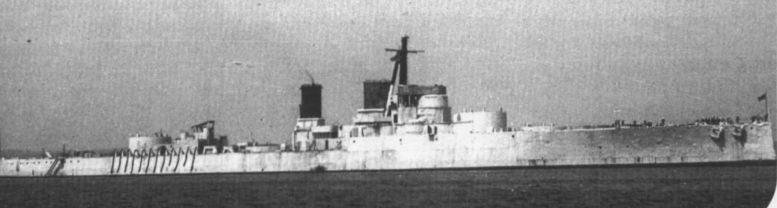
(details) The Centurion in 1941 in the Mediterranean, with a false chimney to make the Germans believe that it was one of the new battleships of 35000t, type "Pri
(details)The Centurion in 1941 in the Mediterranean, with a false chimney to make the Germans believe that it was one of the new 35,000t battleships, type "Prince of Wales"
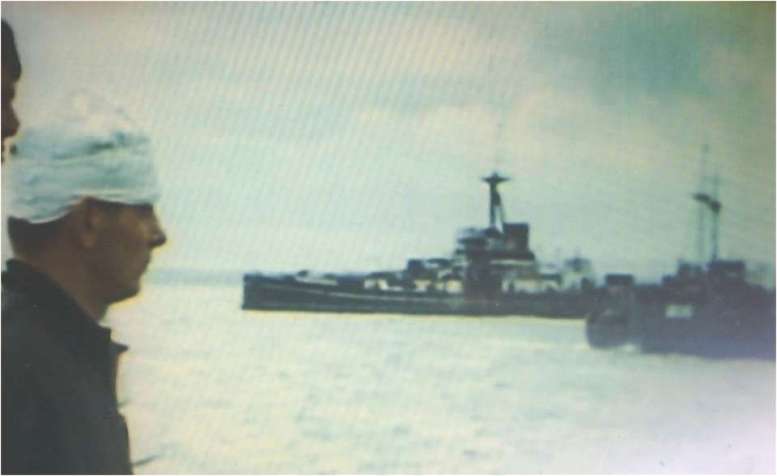
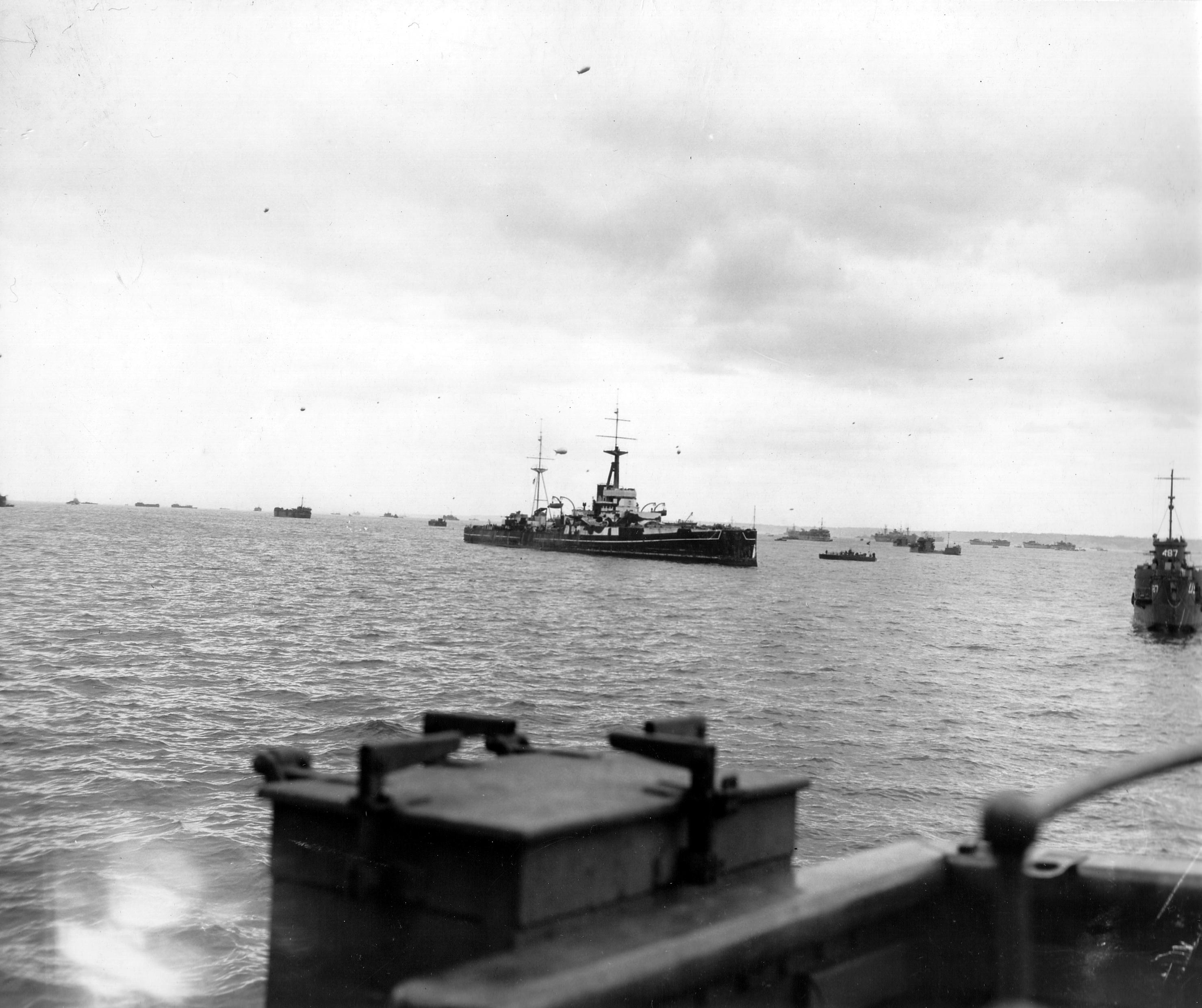
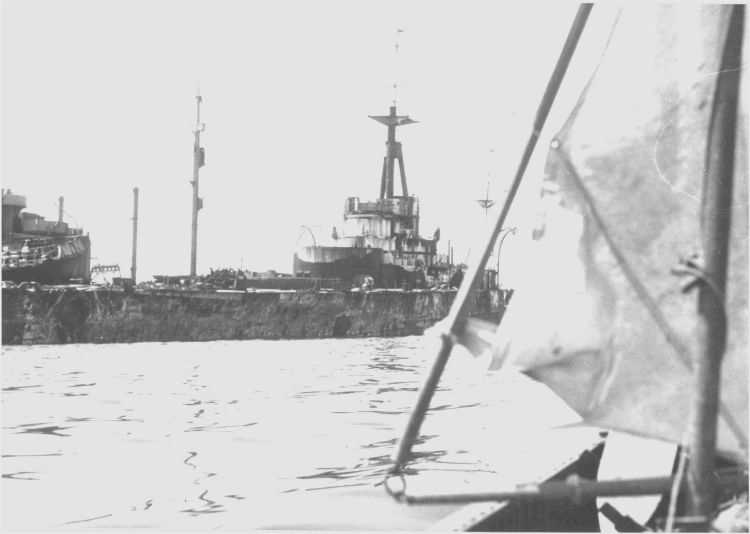
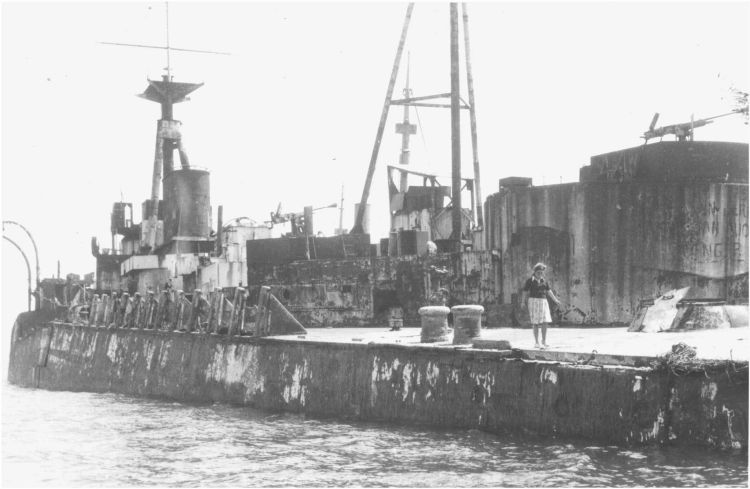
(details) Arrival of the "Centurion" battleship on 8 or 9 June
(details) Arrival of "Centurion" battleship 8 or 9 June
(details) To the left the "Centurion", head of the line to the West
(details) On the left the "Centurion", head of the line in the West
Collection document: Installing the Corncob blockship breakwater
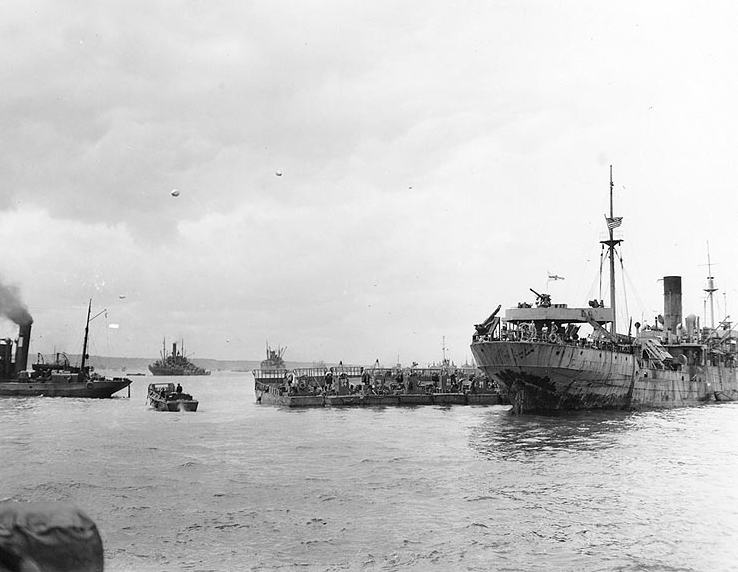
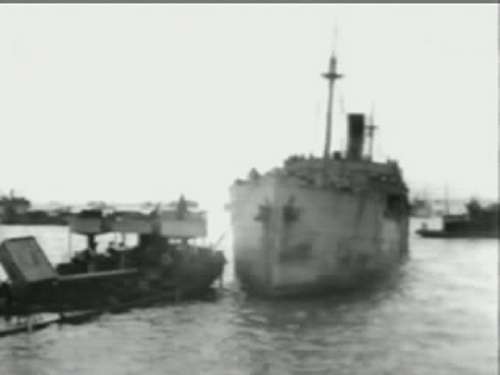
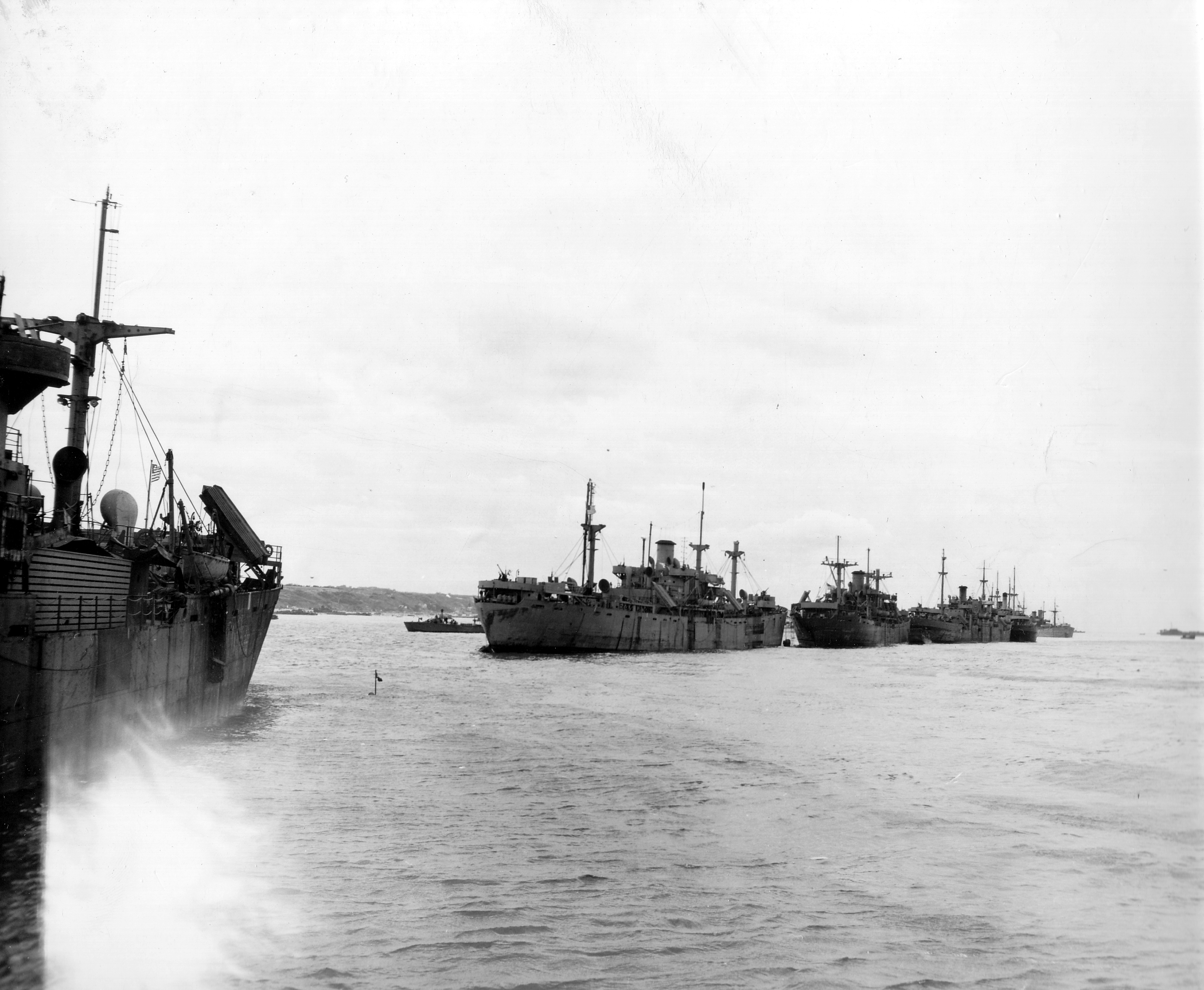
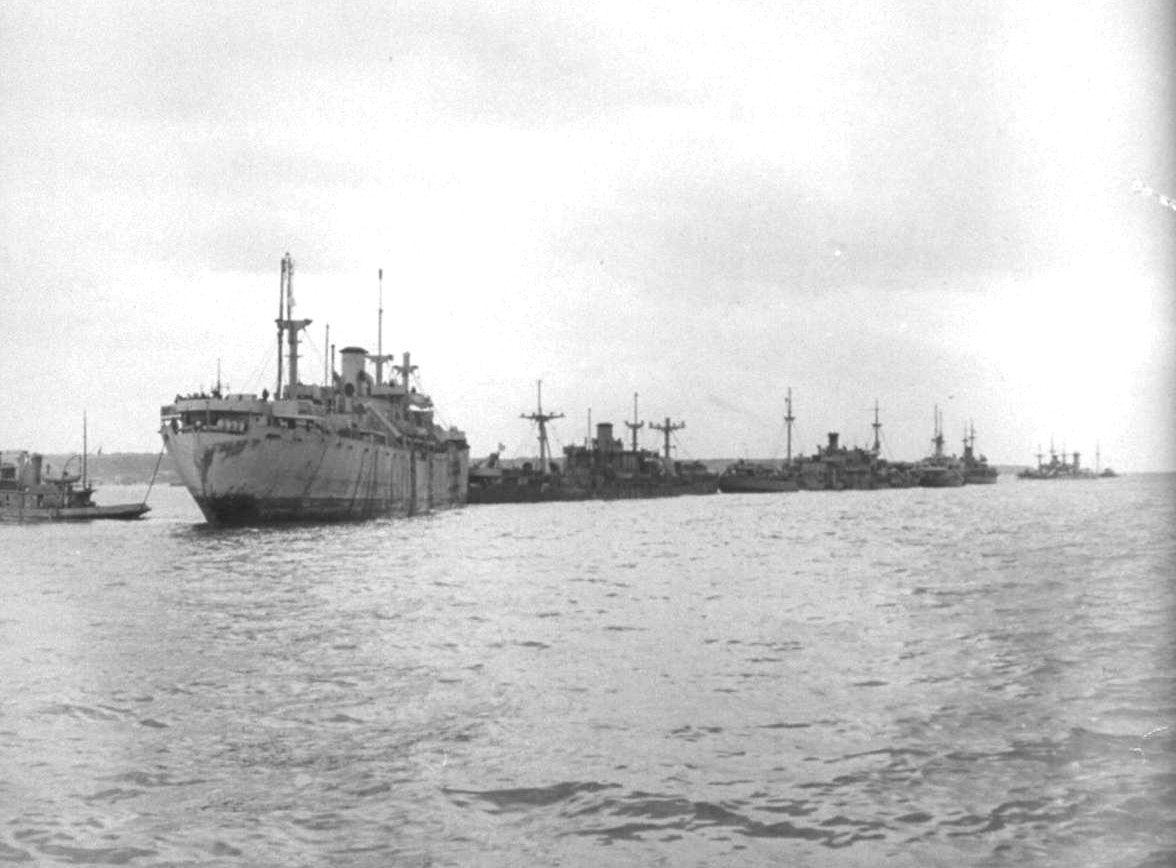
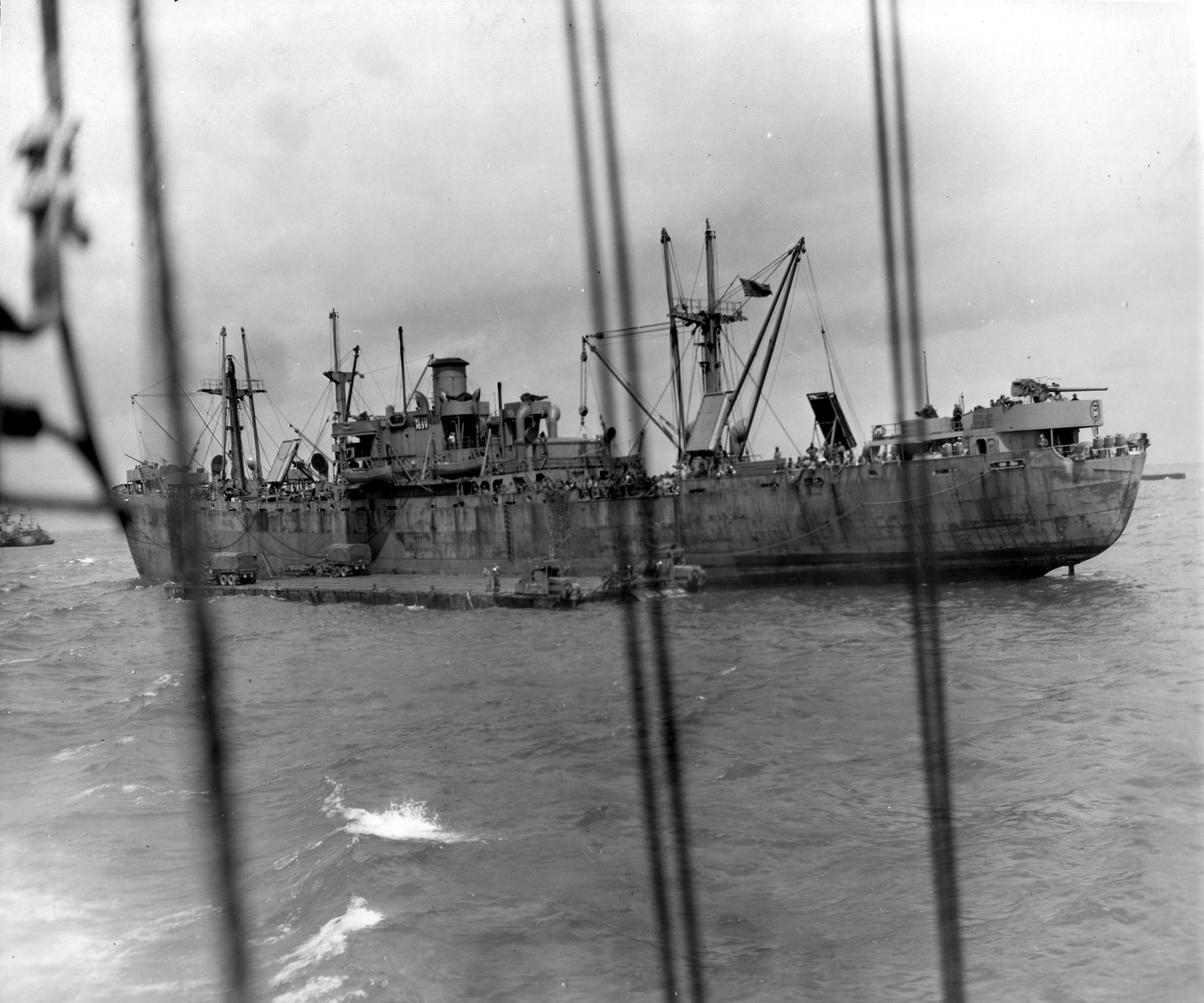
June 7, a blockship
June 7, a blockship
(details)
(details)
(see details) 1947 - The dike "Gooseberry is in the whole picture, we also see the second "causeway" in front of Colleville on the right.
a tug
a tug

History of the "Centurion" ("Caen-Plongée")

The battleship "Centurion" took part in the battle of Jutland on 31 May 1916, but suffered no damage. After the war, he was posted to the Mediterranean Fleet until 1924. In particular, he participated in the intervention against the Bolsheviks in the Black Sea. Unarmed in 1926 at Portsmouth, it was converted two years later into a target radio-controlled vessel until 1941 within the Royal Navy Fleet Target Service.
It was then transformed into a fictitious copy of the new ANSON battleship that had just entered service.
The aim was to conceal the losses of the English fleet and to lure the enemy. Each battleship then had a double chosen from among old buildings that were made up of the appearances of their illustrious model.
Under his new appearances (including 2 chimneys), the "Centurion" made a journey that led him to Bombay via Le Cap de Bonne Espérance. In 1942 he took part in Operation Vigorous, intended to refuel the island of Malta, and at the beginning of 1944 he
has returned to the United Kingdom. Finally, after all these years of good and loyal services, it was sunk as a blockship on June 9 of the same year in front of the artificial port of Omaha Beach.

Diving on the wreck of the Centurion

The boat was ironed by a Belgian company from Antwerp during the 1950s and in the image of the COURBET, there is only the bottom of the hull that lies less than 10 meters deep in the shelter of a submerged Phoenix pontoon forming part of the old artificial port. This dive, however, without any real interest, can allow beginners to become familiar with wreck exploration safely.

Original website reference: WebMulberry/85113-Blockships.html. About the collection and its continuation.

Quick access to the collection

Find a document

Search document titles and texts.

All results →

Escape to close · The full search remains available without JavaScript.

The documentary collection
Enlarged document