The first wave of assault in front of Vierville
around 6:30 am
The first wave, disembarking immediately before or after 6:30 a.m., at Vierville, was to include the following:
32 amphibious tanks (in 8 LCT), 8 standard tanks and 4 bulldozer tanks (in 4 LCT) - Cies A/743, B/743 and C/743 Tk Bat
Part of the Special Engineer Task Force, i.e. 250 sailors and sailors (in 6 LCM) , part 146 Engr Bat
2 assault infantry companies, i.e. 350 infantrymen (in 14 LCA and LCVP), - Cies A/116 and G/116 Inf Regt
and 1 Rangers company, 64 men (in 2 LCA), Cie C/2Ranger Bat
The 743th Battalion of Chars
Of the 44 tanks planned to arrive in Vierville, only about 35 reached the beach, the others having been lost with their LCT at sea or having derived on the beaches further east.
After the initial losses, it appears that around 7:00 a.m., at least 19 Sherman DD tanks were actually in action on Dog Green and Dog White. They suffered further losses during the day. Some have headed for Saint-Laurent.
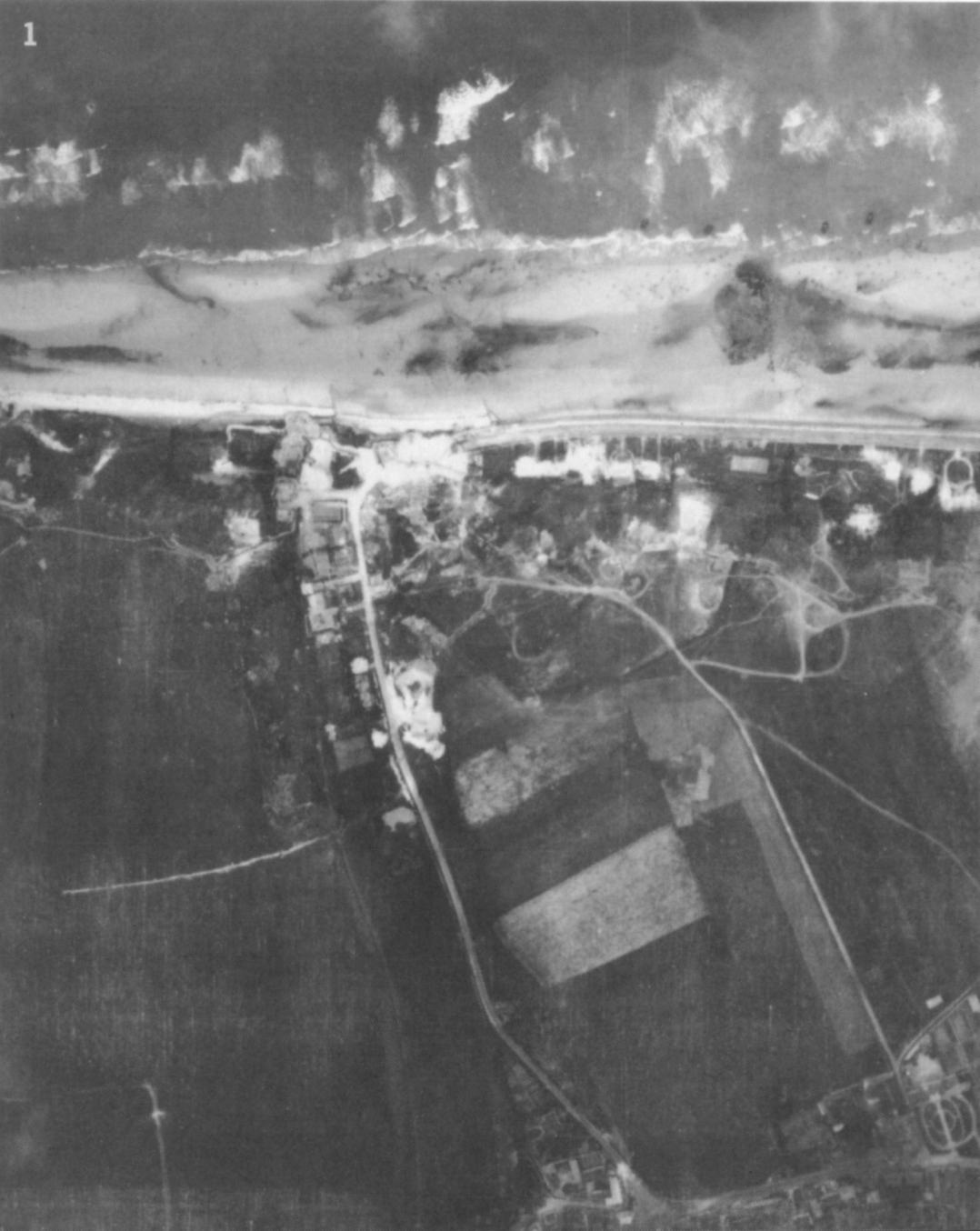
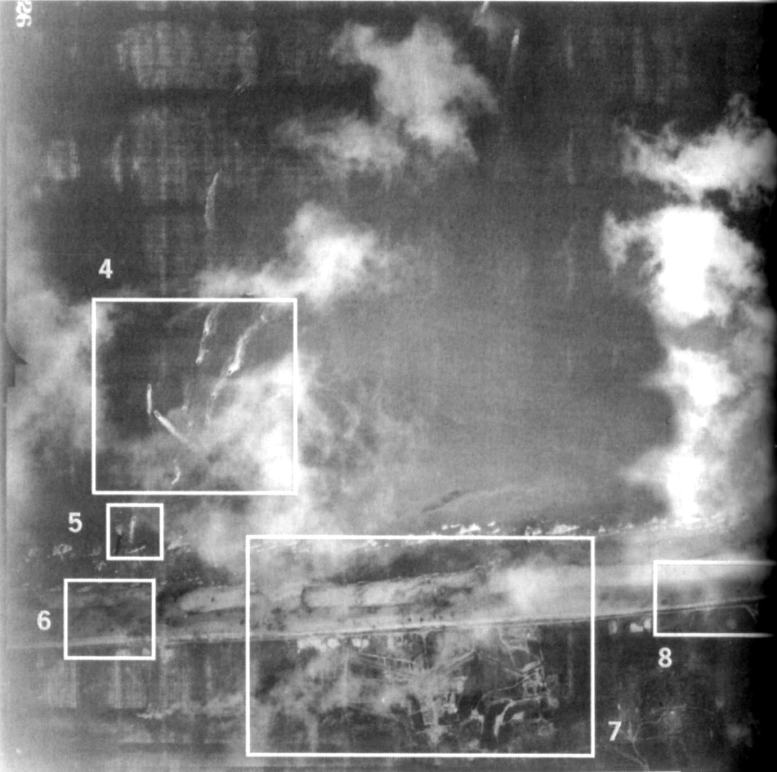
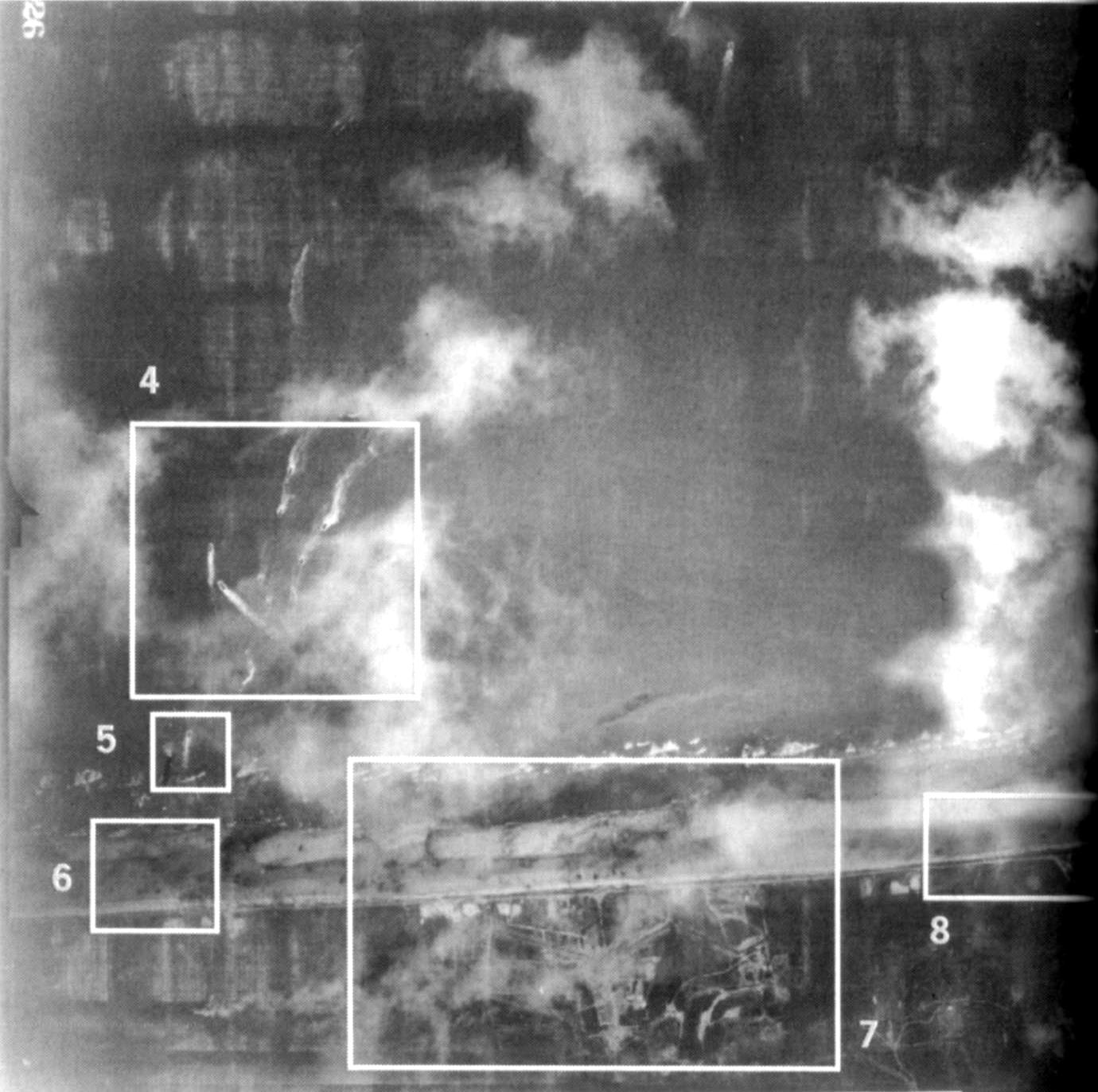
They fired numerous shells at the bunkers of the Vierville descent (it is enough to see the state of their burning on the photos of the time to see it) and on the machine guns nests of the cliffs. Some fired even though they were immobilized, caterpillars destroyed, sometimes firing until they were submerged by the rising tide.
The survivors, along with all the other tanks remaining from the 743rd Battalion, in total between 23 tanks, climbed by road to Vierville at the end of the day and then took part in advance towards Grandcamp the next day.
The Special Engineer Task Force (from the 146th Engineer and USNAVY Battalion, Naval Combat Demolition Unit) had a difficult mission. The aim was to create four passages through the obstacles of Dog Green and Dog White during the first half hour. It was to be protected by assault infantry and tanks.
Finally, these demolition forces were dispersed and suffered large losses. Only one unmarked breach in the obstacle lines, in the eastern part of Dog White, could be achieved.
With the sea rising, the demolition teams joined the other assault forces on the pebbly slope and waited for the next low tide to complete their work. The losses (killed, injured, missing) of the Special Engineer Task Force, including naval personnel, amounted to 41 per cent on D-Day, most of which occurred in the first half hour.

Distribution of the first wave of assault in front of Vierville
The First Wave Assault Infantry, at around 6:30 a.m., consisted of 3 companies:
On the Charlie sector, just west of the Vierville descent, 2 British LCA landed at 6:15 am the 64 rangers of the The 2nd Bat CieC. Rangers. Immediately the firing of machine guns and mortars resulted in significant losses.
Without waiting to organize, the survivors immediately crossed the 200 meters of sand towards the base of the cliff. Too tired to run, it took them 3 to 4 minutes to get there and there were still losses by machine guns and mortar shells. The wounded crawled behind the bodies, but few got away. When the Rangers reached the foot of the cliff, they were only about thirty valid, but part of their frame was available.
On the Dog Green sector, (between the descent of Vierville and Villa Defortescu), 5 of the 6 sections (31 infantrymen and 1 officer) of Company A of 116th Reg. At 6:40 am, on 5 British LCA, with a command section arriving with the next wave (7 hours).
Most of them ran aground on benches 50 to 100 metres before shore, and in some cases, the men had water to their necks.
Taken under fire as soon as it arrived 400 m from the shore, the CieA/116 experienced its worst moments of the day and suffered his most heavy losses just after he hit the ground. The mortar and artillery fire was concentrated in the landing areas, but the greatest casualties were caused by converging automatic weapons fire. Survivors of some barges reported that they heard the impact of the bullets on the ramps before they were lowered, and then saw the bullets whip the surface of the water just in front of the lowered ramps. Some men dived under the water or jumped over the sides to avoid the area beaten by machine guns.
The infantry were numb, weakened by sea sickness, and often heavily loaded, and could not progress quickly in the water up to their knees or higher, and their walking was even more difficult in the channels of the ponds.
The company lost 3/4 of its personnel and all its officers and non-commissioned officers, killed, wounded and disappeared. She had no military value 15 minutes after her landing. Survivors generally stayed in the water, rising with the rising tide to the shelter of the dike
On Dog White (between the Villa Defortescu and the limit of Saint-Laurent), the Cie G of 116th Reg. Infantry had to deal with 7 LCVP. These LCVPs lost their way, did not find the vessel in charge of marking the beach (was it in its place?) and were driven by the strong ferry current to the beach east of Saint-Laurent (Easy Green) where the G/116 landed very dispersed.
4 of his boat sections, landed in the smoke and with little loss, attempted to reach the area of attack planned on Dog White. This involved a lateral movement of several hundred metres behind the then heavily congested slope and under the fire of the small arms of the fortified Saint-Laurent points. Together and slowly moving westward, the four sections have lost all cohesion. One after the other, individuals or small groups stopped to shelter themselves, the sections mixed and separated. Only a few men reached Dog White at about 8:30.
Review
The difficulties of the first wave have upset all the forecasts.
The timetables for landings were radically changed as the beach obstacles were still in place.
Also Dog White found himself empty of assault troops. This beach had received only tanks and a few troops from the SETF Engineers.
The strong resistance, the disorder caused by the scattered arrivals and the heavy losses had combined to prevent the soldiers of this first wave from carrying out their mission in Vierville. We must grant these troops that most had never fought, faced unknown terrain, powerful German defences. However, they overcame the shock, and most of the survivors participated in the first inland advances.
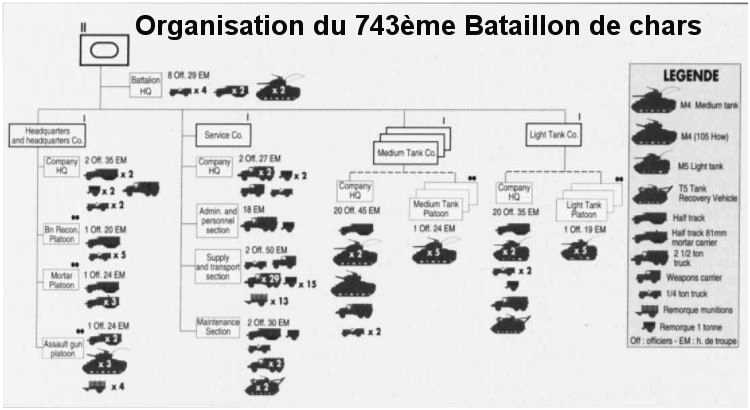
Organization of a tank battalion


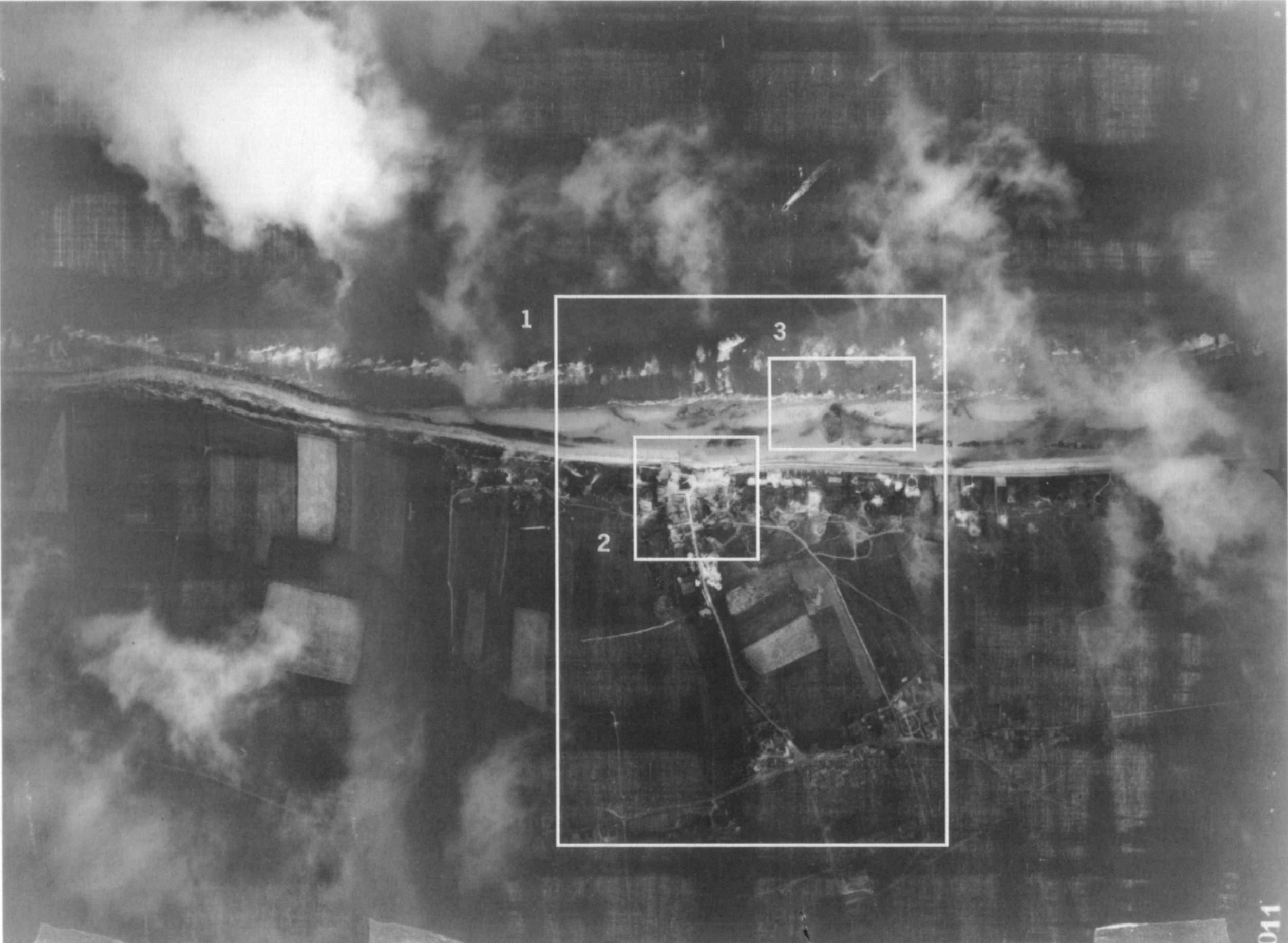


5 of Jimmy Green's LCA are approaching Vierville, carrying Cie A/116
It's 6:00 in the morning and it's still dark, the sun has just risen.
Vierville, 7:30 a.m., mid-marée, 4 Sherman tanks (probably of 3 types DD, Standard and Dozer) are visible at the water's edge, as well as GIs on the sand in the middle of metal hedgehogs