886
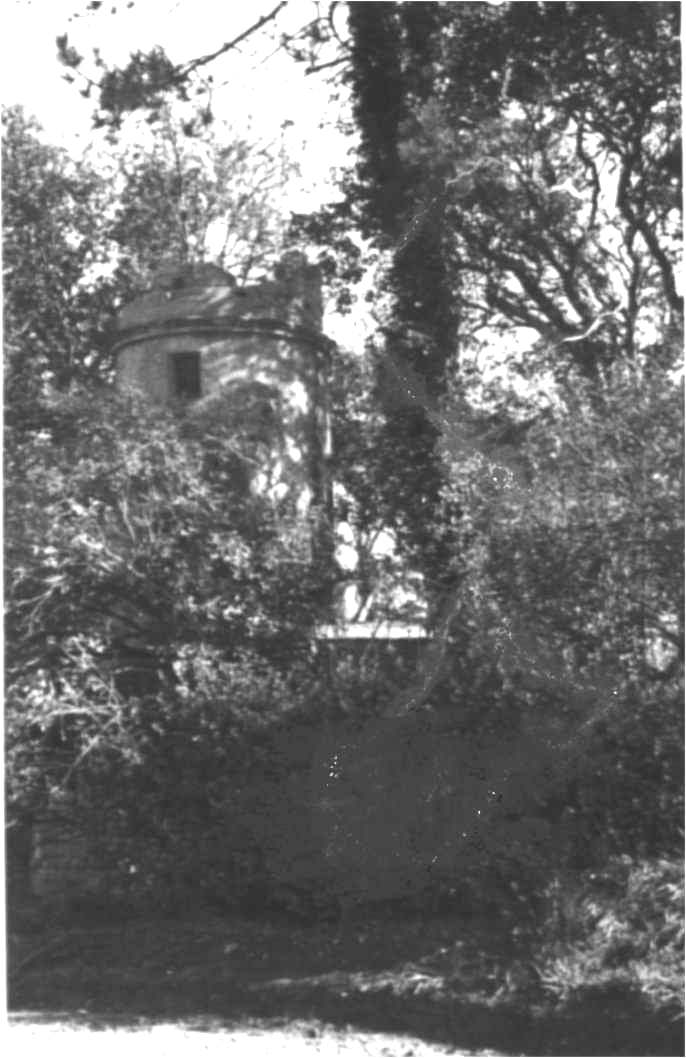
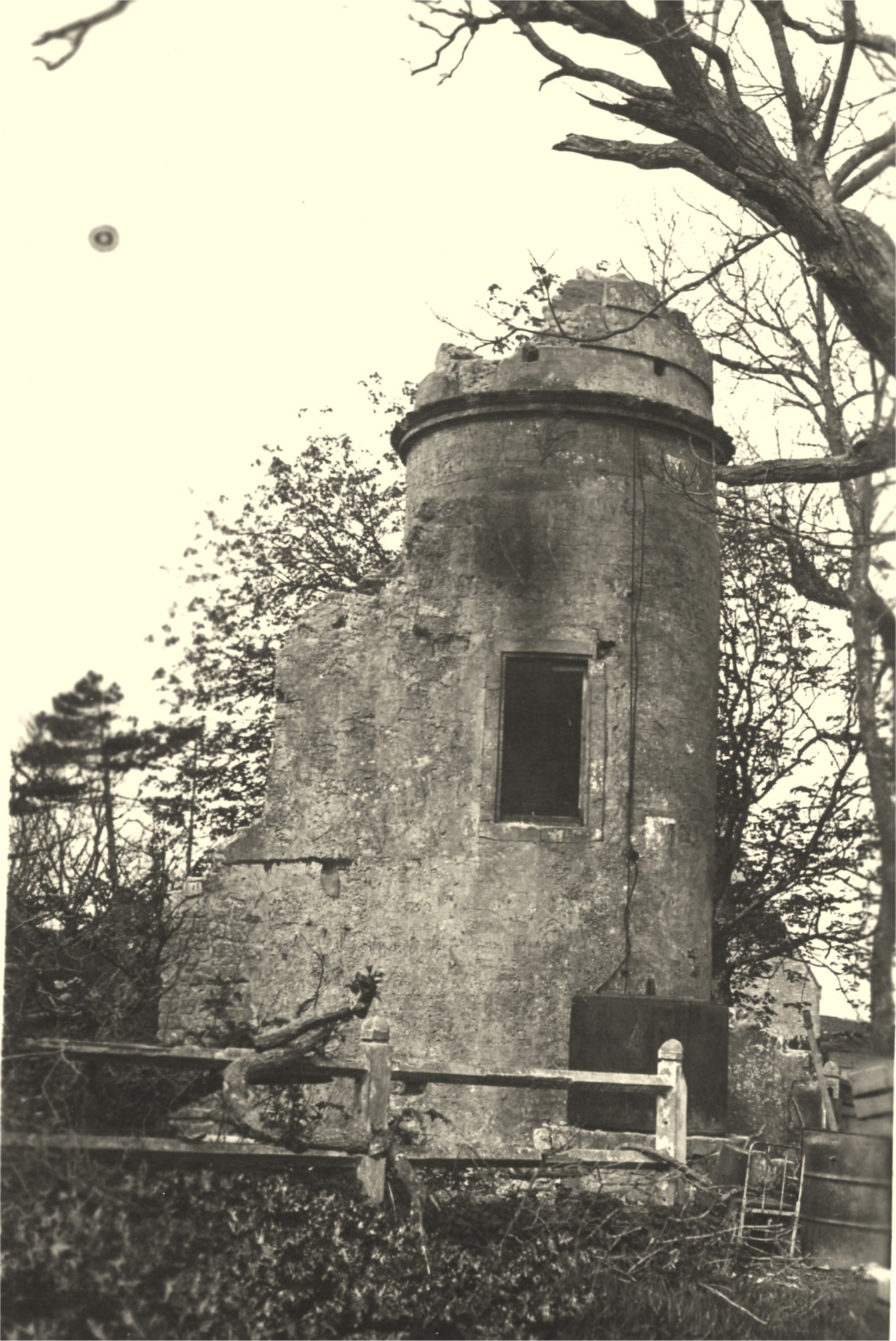
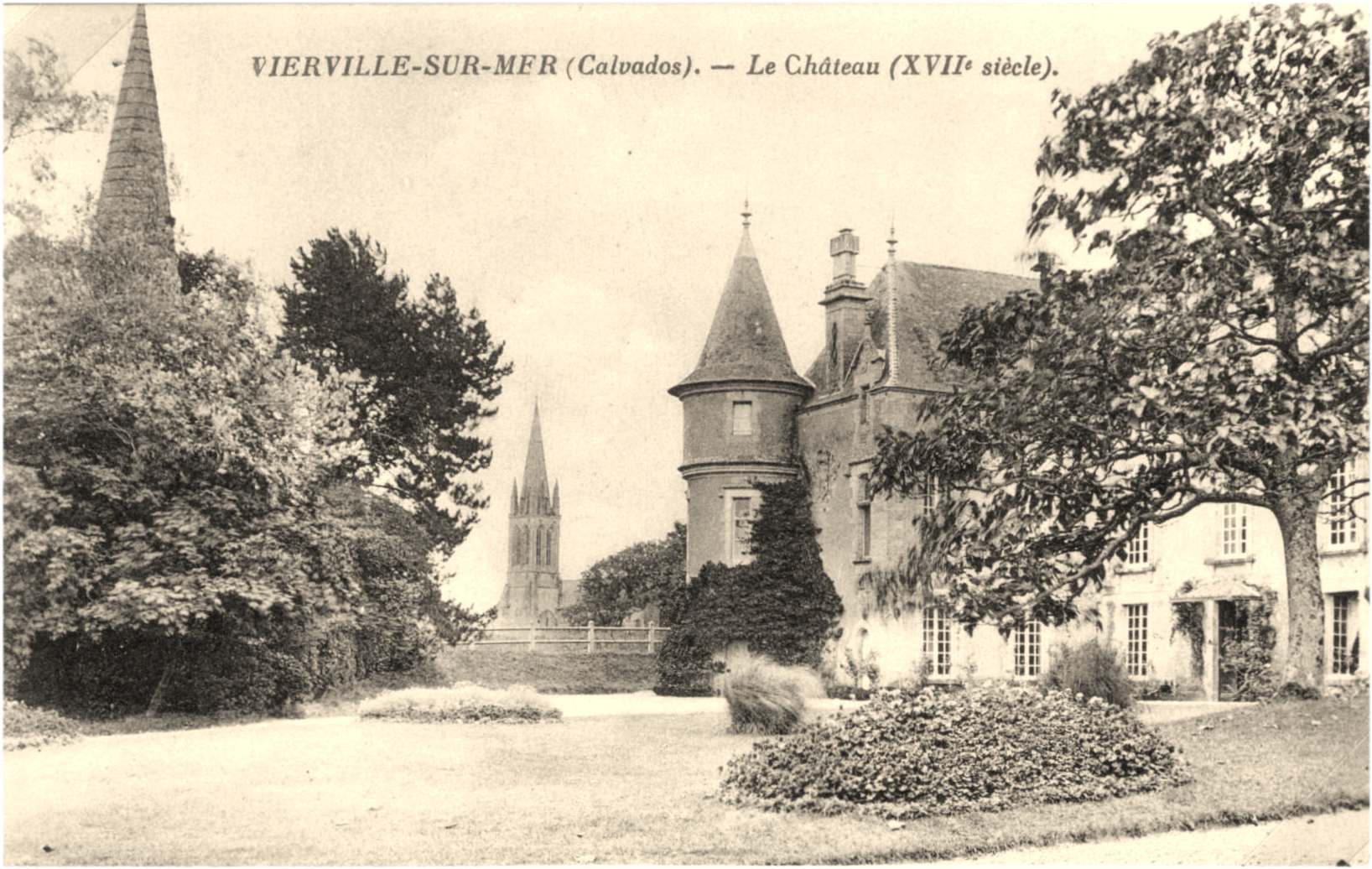
Here are 4 photos of the castle of Vierville before the war. You can see what has disappeared since then, including:
- the stone arrow of a very original turret dating from the Middle Ages
- the entrance gate
- the skylight from the right to the front
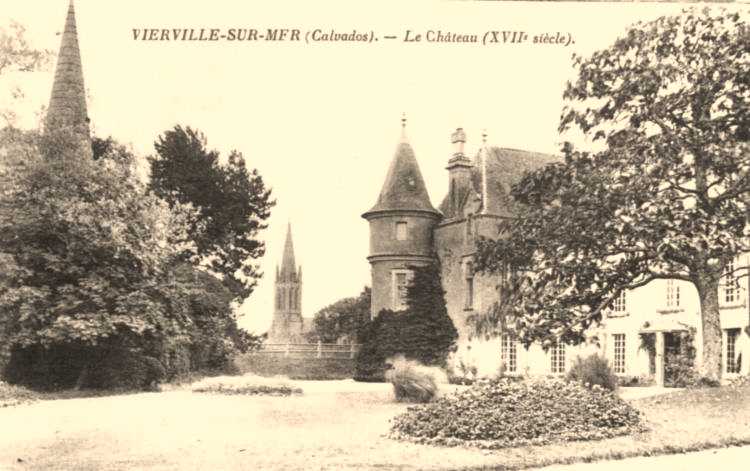

(details)Around 1920, the turret known as Abbé Edgwoerth, confessor of Louis XVI, which would have been hidden there in 1796.

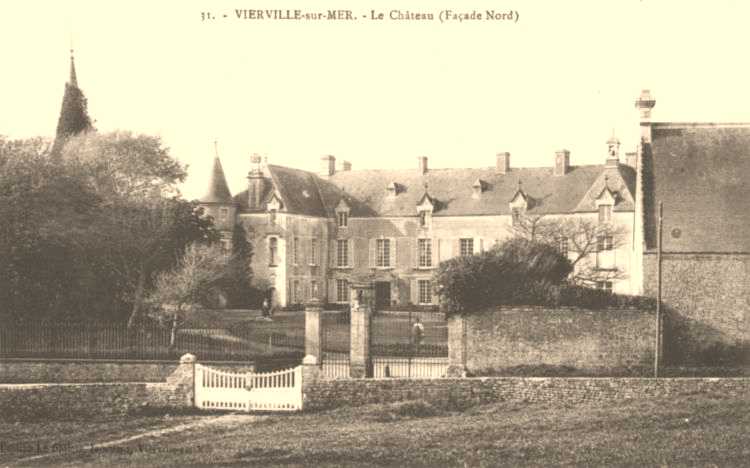
During the German occupation, the castle was not completely requisitioned until early March 1944 to house the Todt organization's men who were to strengthen the coast defences (on 29 January 1944, Marshal Rommel had inspected the future Omaha Beach, and had apparently declared himself very unhappy with the state of progress of the fortifications, hence the call to Todt). The owners had 3 days to move all the furniture with the help of the entire village population.
.
After the arrival of the Americans, the castle was occupied, from 9 June to 26 July 1944, by the PC of the 11th Port (a unit of the "Transportation Corps" of the US army). This unit was responsible for the operation of the Mulberry artificial harbour in Vierville. This one was to unload the cargo in the Mulberry artificial harbour. After the storm of 19-21 June 44, and the destruction of the artificial port, the 11th harbour helped the Special Engineer Brigades in the operation of the beaches in front of Vierville. He was also in charge of operations in the ports of Grandcamp and Isigny. The 11th Port remained active until the end of July 44, when it was withdrawn from Omah Beach.
Colonel Whitcomb was in command of the 11th Port. Here are Michel Hardelay's memories about him:
"At the beginning of the following week, on the occasion of some paperwork from the town hall of which I do not have the memory, I became acquainted with Colonel Witcomb who headed the services of the 11th Port at the Château de Vierville. He was a charming man, speaking French to perfection, and taking me in friendship.

On the left, the composition of the 11th port: transport units, DUKW amphibious trucks, and dockers.
Right: permission given to Michel Hardelay to enter the 11th Port PC at Vierville Castle

As it was the lunch break (probably around June 16) he proposed to me to go down with him to admire "his port". At the height of what had been the Casino hotel and where the monument of the 29th DI US is now located, an MP arrested the colonel and made him respectfully observe that access to the port was forbidden to civilians. So we stayed there, but we already saw a large part of our observation point: the pontoons "Phoenix" were in place and girded the port to the west, the floating piers were rising and, quite curiously, were located exactly on the old port of Vierville (the 16th century) which we can still see today.......
.........I had to see the colonel two days later (probably on June 18th) that is, the day before the storm; he was radiant and greeted me by saying, "Yesterday we exceeded the average tonnage of the port of New York."
The next day was desolation: most of the large sunken pontoons, the floating dike twisted like a corkscrew and the small barges and boats sunk against it.
Everything was to be done again, they did it again...."
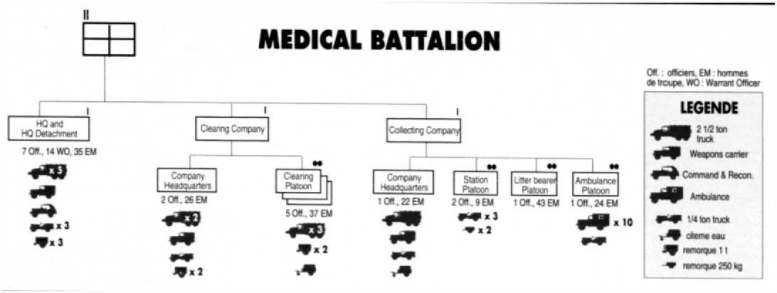
Organization of a medical battalion
Below, the Clearing Cy jeep, retitled with the markings of 60th Med Bn (J. Stevens)
After the departure of the 11th Port, the castle housed an American hospital, the 60th Medical Bon, which depended on the 6th Special Engineering Brigade, until its departure in December 1944.
The 60th Medical Battalion included the 634th "Clearing Co" (sort of wounded and sick), and 3 "Collecting Co" (research and transport of wounded to the "Clearing Co"): the 499th and 500th Collecting Companies stationed at the castle and the 453rd stationed in Granville.
Below are pictures of the back lawn of the castle, on a Sunday in September 44. On that day, a mass was said in the midst of the American tents at the hospital.
At the end of September, the following photographs of Georges Chedal-Anglay date back to this time.
Pictures of the castle, in September 44, the castle is occupied by the hospital (photos by Georges Chedal-Anglay)


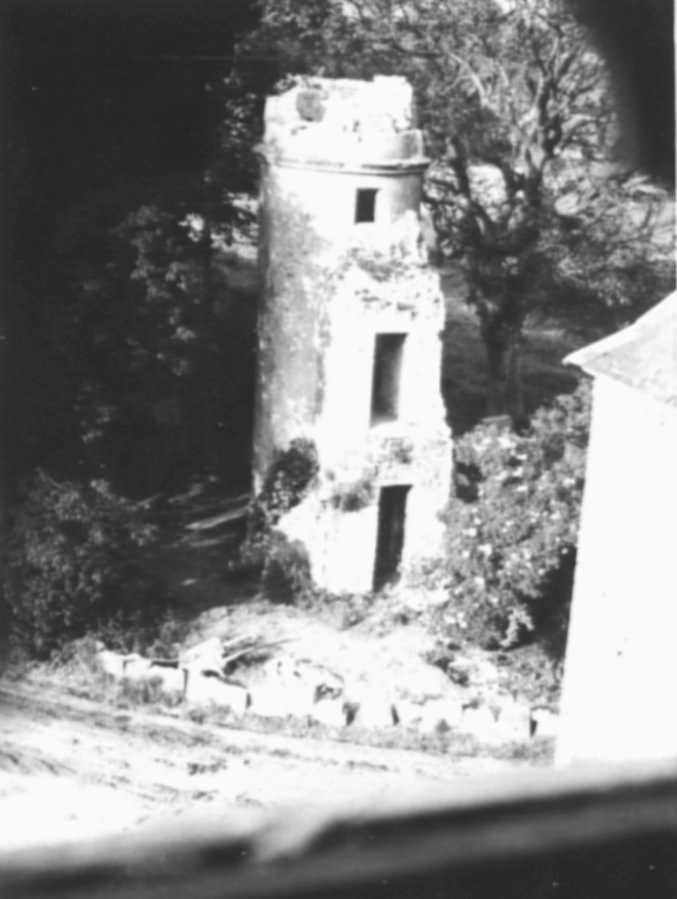




Pictures taken in winter 1944/45, after the departure of the Americans (photos Jean Cordelle)
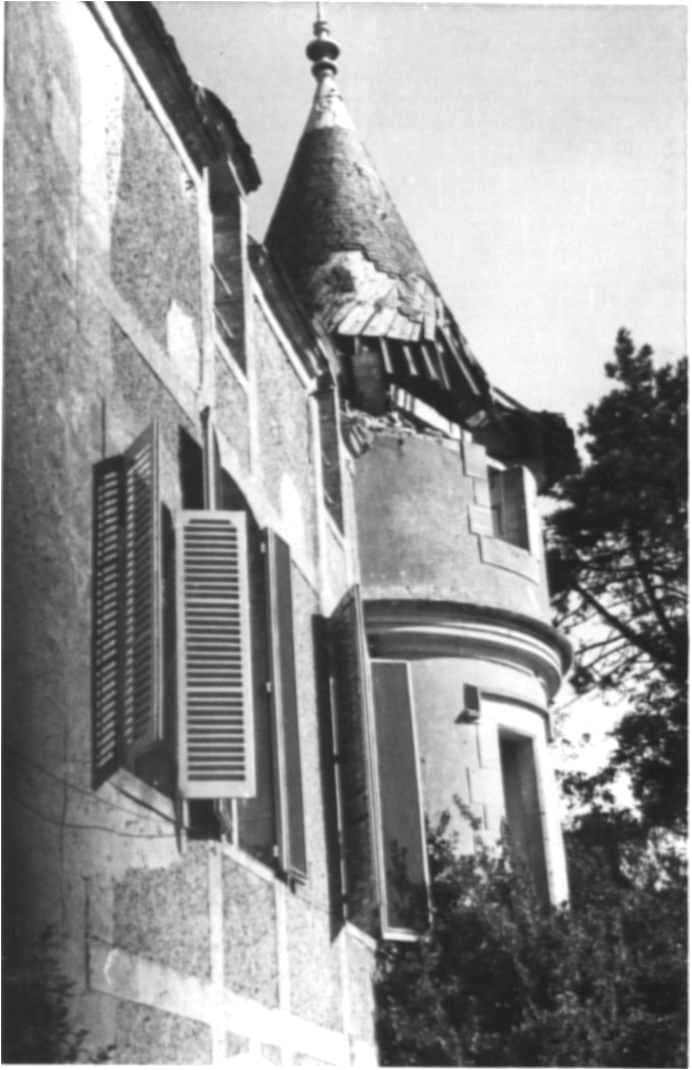

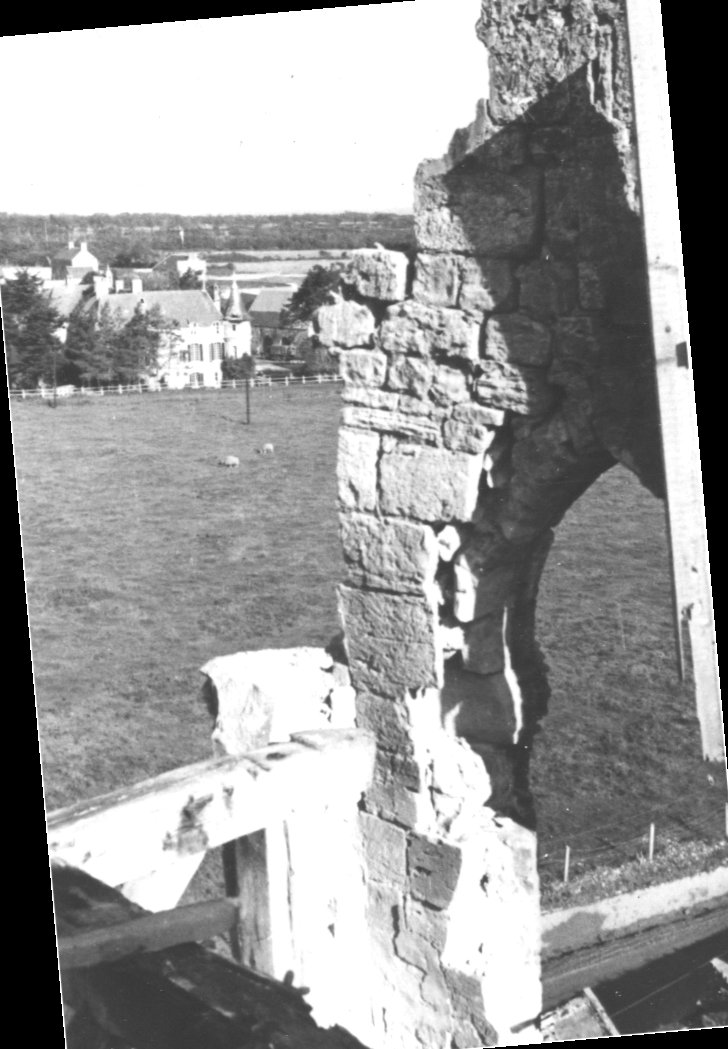
The castle seen from the ruined bell tower
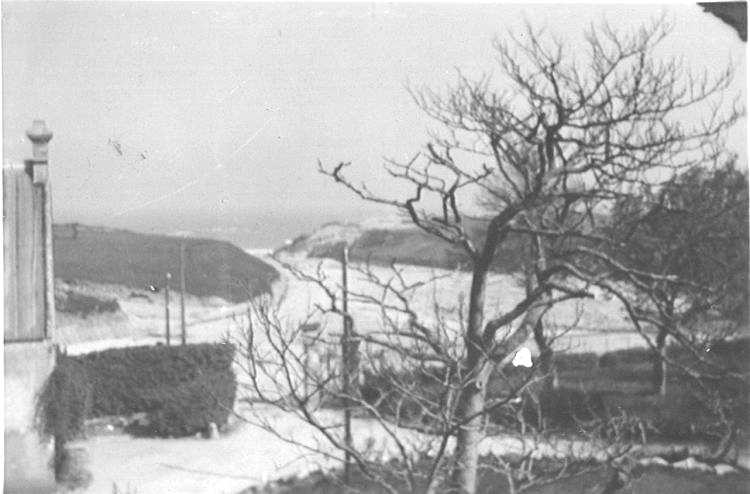
The field to the north of the castle transformed into road and land
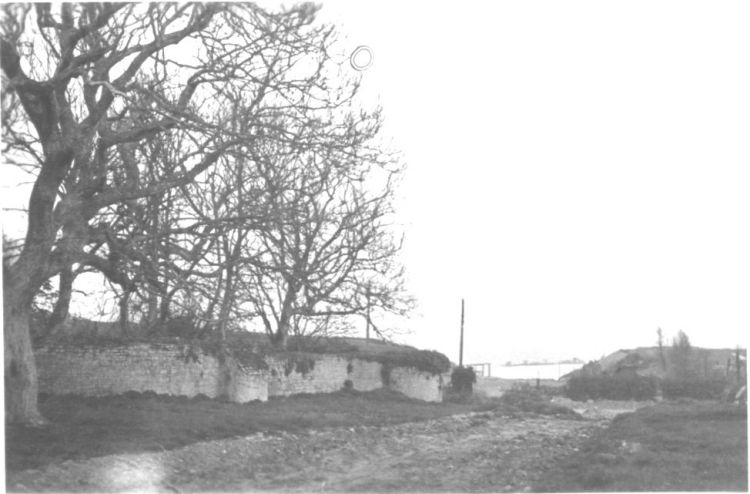
(details) The east wall and the road drawn by the US Engineers in the field of the Bricsart


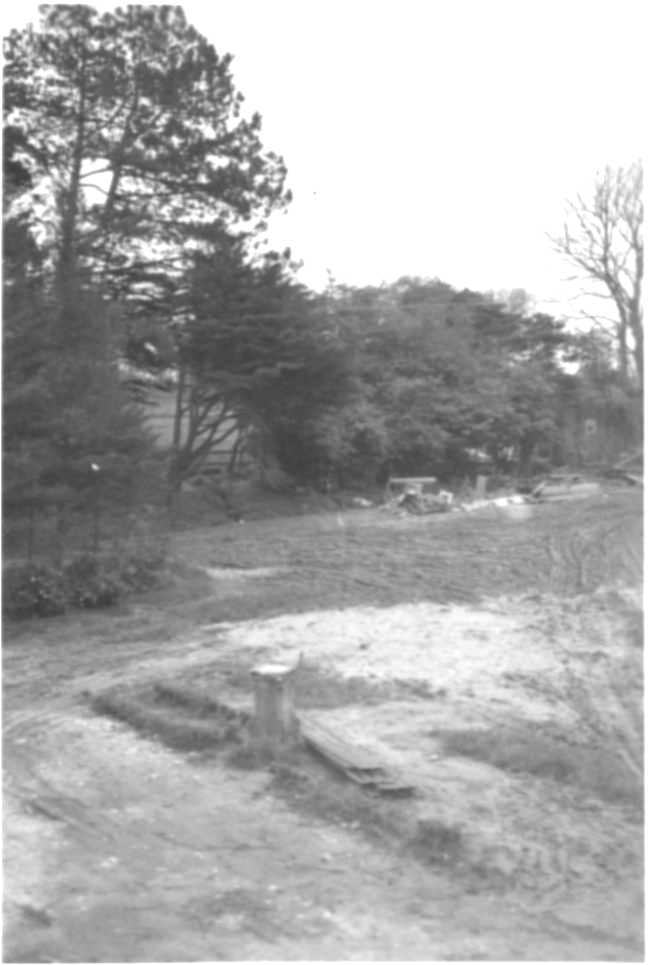
Damage to Vierville Castle
document prepared in September 44 for information of the Hausermanns in Buenos Aires
List of damage to the property of the Château de Vierville
-
She received a shell. It is shaved from all its pointed roof up to the ceiling of the first floor
-
CHATEAU.-He received 3 small-calibre shells. One of them crossed the turret up to the ceiling of the 2nd.ème floor.
The gable still holds but the frame has been moved and will have to be redone. This can wait, because we have found that the rain that penetrates does not wet the floor below. Another shell entered through a window of the billiard room, destroying the fireplace, the woodwork, the azulejos, a petiot corner of the ceiling, and making a hole in the mosaic.
One 3ème shell broke the 2nd mansard.ème floor above the kitchen. The window no longer exists, there is a hole in the floor of the corridor and the stimuli of the frame have suffered. For the rest of the roof the frame is intact, but a large number of slates have been moved, making it a kind of skimmer. After many difficulties, the cover has just been repaired, and the castle is now completely out of the water, except the turret. All in all, the big work has only minimal damage
Interior damage. There are 8 or 9 windows missing, all the other badly closed, torn cremons, unsealed gonds, deconsolidated embrasures. The same applies to the flaps that are all there, but all deconsolidated. Missing a few doors, the others are there but the majority of the door buttons have disappeared and many locks have been removed. The woodwork is generally intact except for 2 panels missing on a door in the dining room, and a low relief removed above the kitchen door. The libraries and chimneys of the dining room and library having been removed by us and put in the barn of the presbytery; we do not yet know in what condition we will find them there. The chimneys are pretty damaged, marbles broken, and blackened by fire. The stairway and wrought iron ramp are intact, but large pieces of the stretched canvas have been ripped off. All the paintings have to be done again. Electrical installation almost ripped out everywhere. Installation of water, lack of taps and pipes; the bathtub and washbasins had been removed by us and parked in the barn of the rectory where I think we will find them.
-
COMMON - Little has been done except for the roofs to be revised. Vegetable garden intact. The two pillars of the large gate are very damaged; the large gate was found, very damaged; the bell was stolen. The Pompon field has no fence. The wall of the counter-espalier is there with some murderers. The lawn behind high. There remain about 1/4 of the trees of the wood and no cleavages; 2 breaches in the wall of the bottom.
- LAND - The entire west wall of the greasy ditch is razed and a road crosses it. The Brixard is also crossed by a road and is amputated with a good corner to enlarge the turn of the post; fences damaged. The upper part of the herbage of the Wood is mined and the lower part is more than a vast esplanade partly emptied, more fences, the pond is completely filled
- PLAGE The beach itself has not suffered but there is almost nothing left of the vils and gardens. It is only a huge land that expands the boulevard de la mer. The casino and the houses are razed.
- It's a big one. - The church is almost completely destroyed, our parents' grave is intact, the cemetery has hardly suffered. Than's mansion is shaved. The house of Ygouf and the house of Louis Leterrïer are burned down. The post office and the school are razed.